
Democratic candidates in New York managed to turn a softball question about the World Cup into a revealing moment about where their loyalties lie.
During a recent PIX11 forum in the contentious NY-13 Democratic primary, Rep. Adriano Espaillat and challenger Darializa Chevalier were asked a question so simple it might as well have been scripted for campaign season: which team they wanted to see win the World Cup. According to RedState, the event offered both candidates a prime opportunity to express support for the United States in a tournament being co-hosted on American soil, yet both chose to back foreign teams instead.
The moderators prompt could not have been more straightforward: "World Cup who are you rooting for to win it all?" Espaillat, a sitting member of Congress, responded, "Mexico," while Chevalier answered, "Senegal." The exchange, captured on video and shared widely online, immediately raised eyebrows among voters who still expect their elected officials to show at least a basic level of national pride.
For anyone running for federal office, this is the political equivalent of a layup. When you are campaigning to represent American citizens in the United States Congress, the instinctive answer to a question about which team you support on the world stage should be the American team. Instead, these two Democrats effectively turned away from the political version of a baby offered up for a kiss, choosing to embrace other nations over their own.
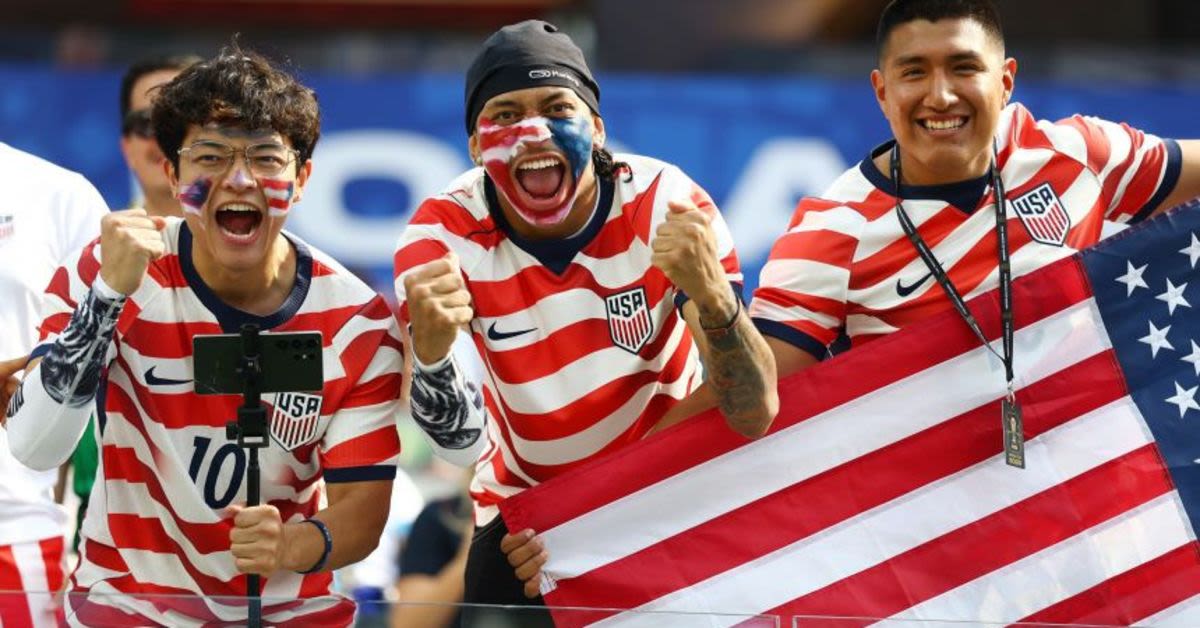
Their misstep came on the same day the U.S. mens national team delivered a statement performance on the field. Facing Paraguay, the Americans produced a commanding 41 victory, the largest margin of victory for the U.S. in a mens World Cup match since 1930. While two Democratic hopefuls were publicly pledging their support to Mexico and Senegal, the U.S. squad was busy proving it deserved the backing of its own political class.
No serious observer believes the United States is the odds-on favorite to hoist the trophy. The team has never advanced beyond the quarterfinals, last reaching that stage in 2002, and it has yet to win a World Cup title. Still, ranked 15th in the FIFA standings, the U.S. has roughly the same statistical chance as Mexico, ranked 13th, and Senegal, ranked 16thundermining any claim that these candidates were simply making a sober, data-driven prediction.
The moderator even framed the question in a way that gave them cover, first asking, "Who do you think will win it all?" before following up with the rooting question. If Espaillat and Chevalier try to spin their responses as mere forecasts, that explanation will ring hollow. Their choices looked far less like informed analysis and far more like reflexive virtue signalingan almost automatic preference for any flag but their own.
Critics have noted that the odds either candidate could quickly locate Senegal on a map are probably not high. Given the modern Democratic Partys casual attitude toward borders, some might joke they would struggle to identify Mexico with much precision either. There is no indication that either possesses deep expertise in international football or some special insight that would make Mexico or Senegal obvious dark horse picks.
Commentary online reflected the disbelief many Americans felt watching the clip. One observer remarked, "Was expecting an other than the US qualifier, but nope," capturing the sense that the most basic patriotic caveat was conspicuously absent. The moment crystallized a broader concern: that for many on the left, cheering for America has become optional, if not unfashionable.
Plenty of conservatives are not fans of soccer at all, yet still understand what it means to rally behind the national team on the world stage. As one writer put it, "I despise soccer, yet I will be wholeheartedly cheering on the United States in the World Cup." That instinctto stand with ones country even in arenas one does not personally loveis precisely what many voters expect from their representatives.
This episode also fits a pattern that has become familiar in recent years. The same Democratic Party that once attacked the U.S. womens hockey team for celebrating their Olympic gold with the President now seems uncomfortable with even symbolic displays of national solidarity. When candidates for Congress cannot bring themselves to say they are rooting for the United States in a global competition, it reinforces the perception that, culturally and politically, they are more at ease cheering for almost anyone other than the US of A.
Login