
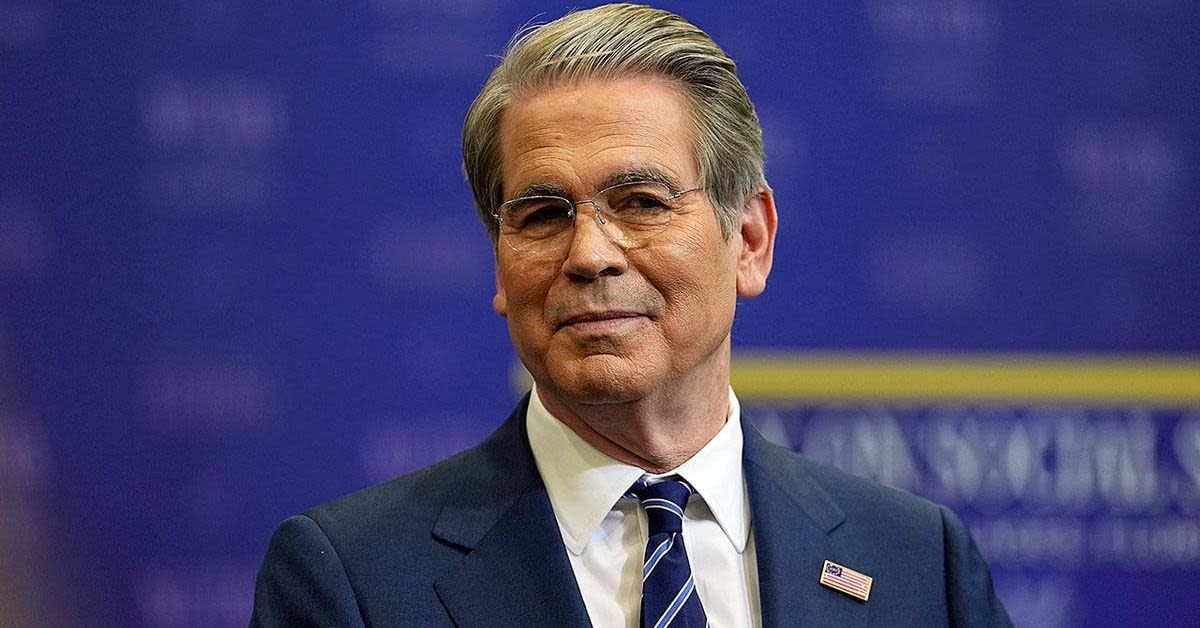
Treasury Secretary Scott Bessent warned that illegal employment schemes have generated more than $2.5 billion in suspicious activity tied to payroll tax fraud in 2026.
Speaking to Texas bankers in Houston, Bessent said financial institutions reported more than $2.5 billion in suspicious activity associated with payroll tax fraud schemes this year alone. According to Breitbart, he linked the surge to unlawful employment practices, labor brokers, shell companies, identity theft, and other forms of financial exploitation that flourish when immigration laws are not enforced.
These schemes hurt law-abiding businesses, depress wages, steal taxpayer dollars, facilitate identity theft, and create opportunities for transnational criminal organizations to generate and move illicit proceeds, Bessent said. He framed the problem as a direct threat to honest employers and American workers who play by the rules but are undercut by criminal networks operating in the shadows of the labor market.
Bessent stressed that the crackdown on these schemes is part of the Trump administrations broader effort to combat illegal immigration, fraud, and financial crime. Texas remains on the front lines of the challenges created by years of unchecked illegal immigration under the Biden Administration, Bessent said, arguing that lax border and enforcement policies have emboldened bad actors.
Criminal organizations and cartels continue to seek opportunities to exploit our financial system and harm law-abiding businesses and workers, he added, underscoring that the problem is not merely regulatory but national in scope. The treasury secretary highlighted a recent advisory issued by the Treasury Department and the Financial Crimes Enforcement Network (FinCEN) that flags warning signs associated with unlawful employment schemes.
The guidance zeroes in on payroll tax evasion, shell companies, labor brokers, identity theft, and other activities that may indicate serious financial crimes. The advisory does not ask banks to become immigration officers, Bessent said, pushing back on any suggestion that financial institutions are being drafted into border enforcement.
It asks banks to do what they do best: know their customers, identify risk, recognize suspicious patterns, and report illicit activity when they see it, he continued, emphasizing that local knowledge and vigilance are essential. Bessent said community banks in particular serve as a critical line of defense against money laundering, labor exploitation, and cartel-linked financial activity because they often spot emerging risks before they appear in national data.
Economic security is national security, he said, tying financial integrity to broader questions of sovereignty and public safety that conservatives have long highlighted. The secretary also announced updated FinCEN guidance to help financial institutions share fraud-related information more quickly and coordinate more closely, a move he said supports the White House Task Force to Eliminate Fraud led by Vice President JD Vance and reflects President Trumps commitment to restoring law, order, and accountability in the financial system.
Login