
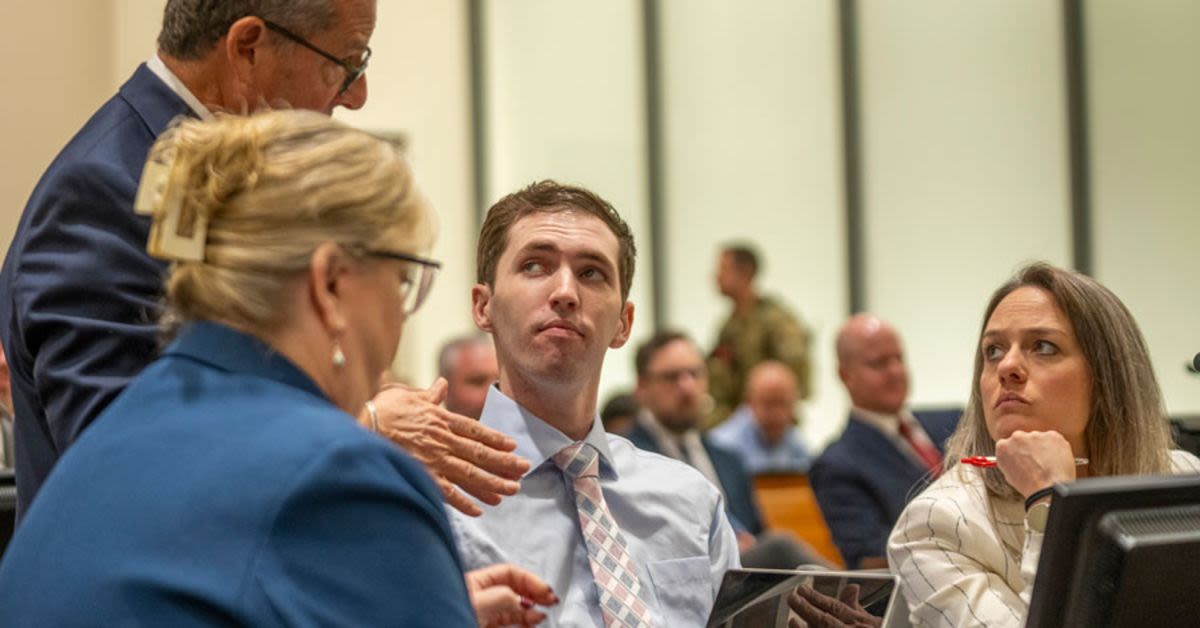
The legal battle surrounding the man accused of assassinating conservative leader Charlie Kirk has intensified, with defense attorneys now asking a Utah judge to hold prosecutors in contempt over their public comments about bullet fragments recovered from Kirks body.
According to Breitbart, Tyler Robinson, 23, is scheduled to return to court Friday as his legal team presses its claim that prosecutors violated a gag order by speaking to the media about a disputed ballistics report. Defense attorneys argue that prosecutors embarked on a media tour to discuss expert findings on a bullet fragment, in direct conflict with restrictions imposed by Judge Tony Graf against public commentary on the case. Prosecutors counter that they were compelled to respond after Robinsons lawyers publicized an inconclusive, preliminary ballistics finding that could not immediately link the bullet fragments to the firearm allegedly used by Robinson.
Those early, tentative findings triggered a wave of media speculation suggesting Robinson might be exonerated, a narrative the state insists was misleading and incomplete. The rules expressly allow lawyers to set the record straight, Deputy Utah County Attorney Christopher Ballard wrote, defending the decision to speak publicly. Robinsons attorneys, however, maintain that such statements risk poisoning the jury pool in a case already drawing intense national attention due to Kirks prominence as cofounder of the conservative Turning Point USA organization.
The defense has long sought to limit media exposure, saying coverage has at times distorted Robinsons image and undermined his right to a fair trial. Robinson, from southwestern Utah, is charged with aggravated murder in the Sept. 10 assassination of Kirk on the Utah Valley University campus, a killing that shocked conservatives nationwide and raised fresh concerns about political violence. Prosecutors have announced their intention to seek the death penalty if Robinson is convicted, underscoring the gravity of the proceedings and the high stakes for both sides.
Robinson has not yet entered a plea, leaving key questions about his defense strategy unresolved as pretrial maneuvering intensifies. His attorneys did not specify in their filings what sanctions they want imposed if Judge Graf agrees prosecutors violated his order and holds them in contempt. Instead, they pointed to another criminal case in which prosecutors faced similar accusations and noted that one proposed remedy there was to bar the state from pursuing capital punishment.
While the judge in that earlier matter ultimately rejected the idea that the death penalty should be taken off the table, Robinsons lawyers emphasized that, the court did not conclude that such a remedy was beyond its authority where the facts support it. That argument signals a broader effort by the defense to leverage alleged prosecutorial overreach to limit the states most severe punishment. Graf has said he will issue his ruling on the contempt allegation at a later date, leaving both sides waiting on a decision that could reshape the contours of the case.
A pivotal hearing is set for next month, when prosecutors must demonstrate they have sufficient evidence to proceed to trial, marking the most substantial public airing of the states case so far. Up to now, much of the litigation has centered on media access and the balance between transparency and fairness in a politically charged prosecution. Robinsons attorneys have also asked Graf to pause the case while they appeal his June 1 decision refusing to bar cameras from the courtroom, a move that reflects ongoing conservative concerns about trial-by-media and the erosion of due process in high-profile cases.
Login