
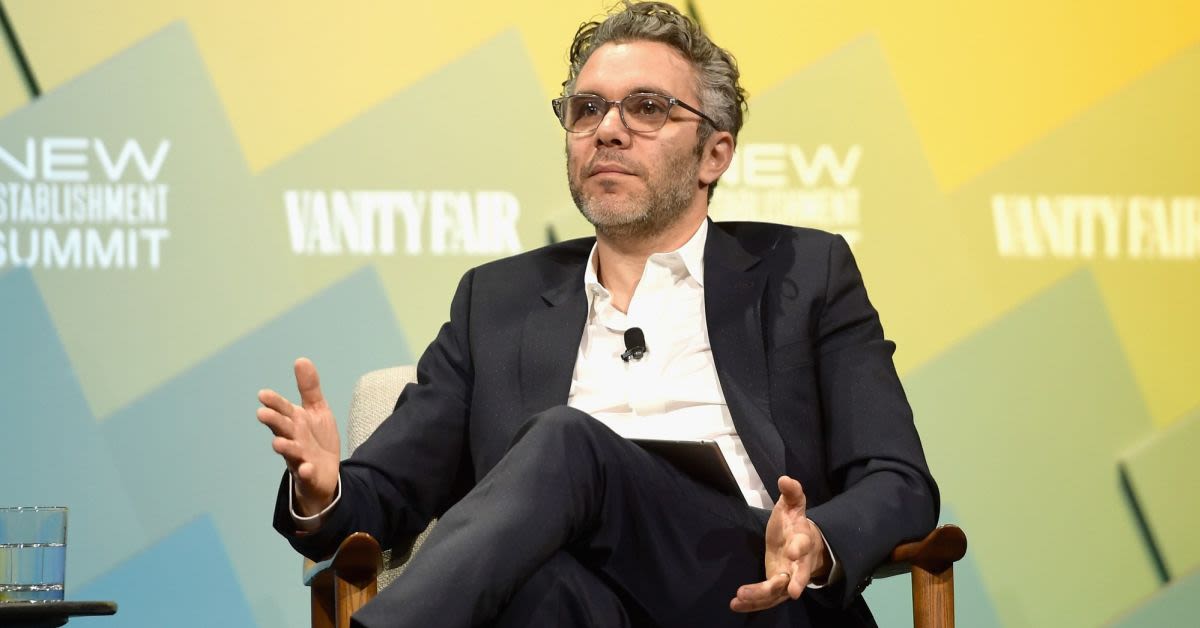
The new executive producer of CBS Newss flagship program 60 Minutes, Nick Bilton, has moved quickly to reassure a rattled newsroom after a week of internal upheaval and the abrupt dismissal of veteran correspondent Scott Pelley.
According to Mediaite, media reporter Ben Mullin obtained Biltons internal email to staff, sent just days after Bilton was elevated to the top job on May 28 despite having limited experience as a broadcast television news producer. The message followed days of speculation about the future of the storied news magazine and questions about whether its traditional standards could survive in an increasingly politicized media environment.
It has been a trying and difficult few days. I know that, Bilton began his note to employees, acknowledging the turmoil that has gripped the program since Pelleys ouster. Ive spent a lot of time in conversation with many of you, and especially with Lesley [Stahl], Bill [Whittaker], and Jon [Wertheim].
There are a few things I want to emphasize now, Bilton wrote of the extraordinary show, signaling an effort to steady nerves and project continuity. He framed his message as a recommitment to the core mission of 60 Minutes at a time when many legacy outlets face growing skepticism from viewers who see them as increasingly aligned with progressive politics.
The foundation of 60 Minutes is its journalistic independence. We will always pursue stories without fear or favor, Bilton declared, in language that seemed aimed at critics who suspect corporate and ideological pressures shape coverage. We will always make the North Star Not relationships nor politics nor anything else. We will be guided always by what makes the best piece for our viewers. And it should go without saying, but Ill say it anyway: We will never be instructed by the ownership of the company on those stories.
He praised the programs traditional Sunday night format, defending the long-form, detail-oriented approach that has distinguished 60 Minutes from more partisan cable fare. Sunday night works. Its the best hour of television journalism anywhere. Were going to continue to do the things we do that make is so great the scheduled screenings, the the detailed script work, the editing, the long format of the pieces, Bilton wrote, adding that he intends to be a hands-on editor.
I am a curious person and I love stories, and as executive producer I will shape the show writ large. Ill bat around idea with you, Ill dive into scripts and edits with you, and I will sign off on pieces. The fearless correspondents and the intrepid producers will continue to be the core of each piece we broadcast, he continued, suggesting that the on-air journalists and producers will remain central to the programs identity rather than corporate managers or outside activists.
Bilton also stressed the importance of internal debate, while implicitly drawing a line on professional conduct. Discussion, debate, and disagreement are essential to the making of good journalism. All will be done in good faith, and always with respect and trust and with fidelity to the practices that have served us well for 48 years.
Those remarks echoed the themes in Biltons termination letter to Pelley, in which he accused the longtime correspondent of undermining his leadership from day one. Yesterday, you hijacked my first meeting with staff to disparage me, my qualifications, and my intentions with remarkable incivility and contempt, Bilton wrote in that letter before telling Pelley he would not have a future at 60 Minutes.
Despite speculation by Pucks Dylan Byers that the show could see a mass exodus of all existing talent within weeks, Biltons email offered no indication of imminent purges or sweeping ideological realignments. For viewers who value rigorous reporting over partisan theatricsand for a media landscape already reshaped by President Trumps second administrationthe real test will be whether 60 Minutes can live up to Biltons promise of independence while resisting the leftward drift that has eroded trust in so many legacy newsrooms.
Login