
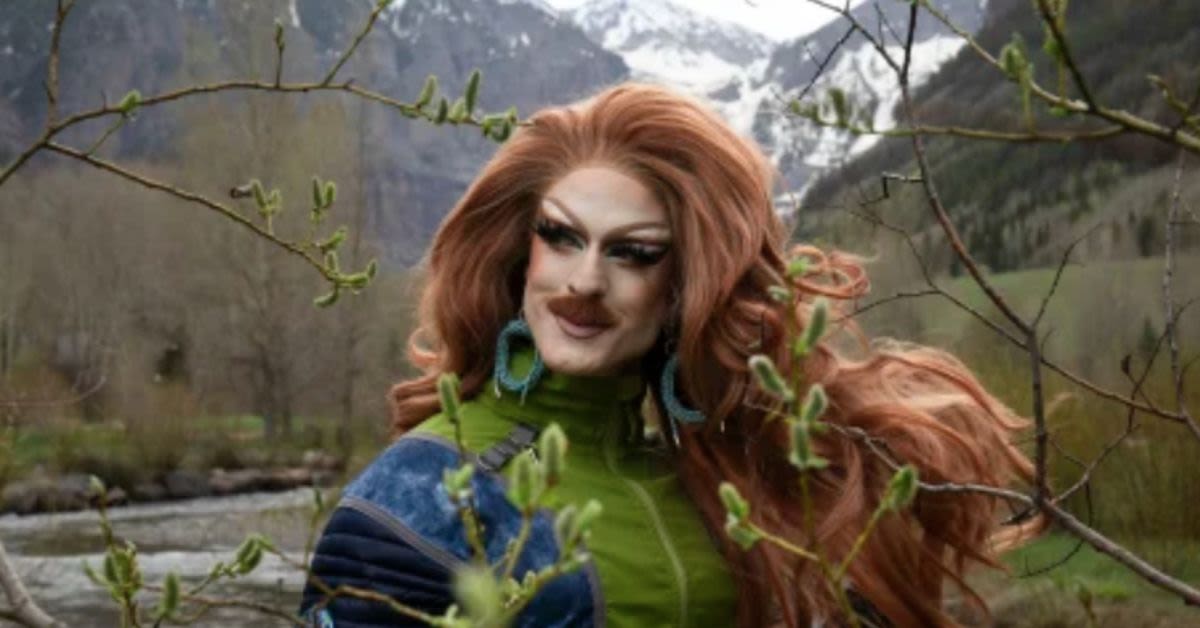
Outdoor apparel giant Patagonia has moved to settle its trademark lawsuit against a drag performer who calls himself Pattie Gonia, but the activist has rejected the offer rather than give up commercial use of the brand-inspired persona.
The dispute, as reported by The Post Millennial, centers on Patagonias effort to protect its long-established logo and name from what it views as confusingly similar branding in a highly politicized cultural space. The case highlights a growing clash between corporate trademark rights and progressive activism, with a major outdoor retailer now facing backlash from the very LGBTQ+ advocacy circles it has long courted.
Theres a lot going around about the lawsuit we filed in January to protect our trademarks, and we owe you an update, Patagonia stated in a social media post on Sunday. The company emphasized that its primary concern is safeguarding its intellectual property, a basic requirement for any business that wants to preserve brand integrity and avoid consumer confusion.
We wish this lawsuit had not been necessary, and we want to acknowledge any hurt it has caused, especially in the LGBTQ+ community. We dont want to argue trademark law on social media. Importantly, we continue to want to resolve this, the company added, signaling that it is seeking a negotiated outcome rather than a drawn-out legal war. Patagonias leadership, which has long embraced environmental activism, is now attempting to balance that image with the legal obligations that come with running a global enterprise.
The retailer said it would drop the lawsuit if the performer agrees to withdraw all trademark applications, stop using the companys iconic mountain logo, and cease selling and promoting apparel and other products as Pattie Gonia. These conditions are standard fare in trademark disputes, reflecting a basic conservative principle: property rights, including intellectual property, must be defended or they are effectively surrendered.
If we can agree on this, we can work out everything else, and Pattie Gonia could continue as a performer and activist. We share common ground with them, including the goal of saving our home planet and creating a more inclusive outdoors, Patagonias statement concluded, attempting to frame the conflict as a narrow legal matter rather than a broader cultural break. Yet the companys willingness to stress ideological alignment underscores how deeply corporate America has entangled itself with progressive causes.
The drag performer, whose legal name is Wyn Wiley, fired back on social media Monday night, accusing Patagonia of trying to shut down his activism. Patagonia just posted their offer to settle. When I told you that they were trying to erase my advocacy, their bullet #3 is what I was talking about: Stopselling and promoting apparel and other products as Pattie Gonia, he wrote, casting a straightforward trademark condition as an attack on his political work.
Patagonia is not just talking about my upcycled t-shirt merch in that bullet point. Theyre talking about the partnership work with other brands that Ive done for years to pay for the education, advocacy and activism that me and my team do, Wiley continued, openly acknowledging that his activism is funded through commercial branding deals. If I cant do partnerships as Pattie Gonia, it breaks the whole ecosystem of advocacy and community engagement. And they understand this because their work is built on the exact same model - advocacy work funneled through commercial work.
Bullet points #1 and #2 - Ive already said I would agree to. Bullet #3 - absolutely not. No deal, Patagonia, he concluded, making clear he will not separate his activist persona from the commercial ventures that rely on a name and aesthetic closely echoing Patagonias. That refusal sets up a direct confrontation between a corporations legal right to its own brand and an activists insistence that political messaging should override those rights.
Patagonia filed suit in January after Wiley sought federal trademark protection, arguing the Pattie Gonia mark would confuse consumers and inflict irreparable harm on the companys reputation and business. The filing noted that the goods and services Wiley wants to protect compete directly with the products and advocacy upon which Patagonia built its Patagonia brand for over the last fifty-three years, underscoring that this is not merely about speech but about market competition.
The company further asserted that it had previously contacted Wiley and that it was understood that the parties had reached agreement about how that advocacy work might continue in a way that would not interfere with Patagonias brand. According to the lawsuit, that understanding has not been honored, leaving the retailer to seek relief in court rather than allow a politically charged imitator to trade indefinitely on its name, a move many conservatives would see as a necessary defense of clear rules, private property, and the basic distinction between activism and appropriation.
Login