
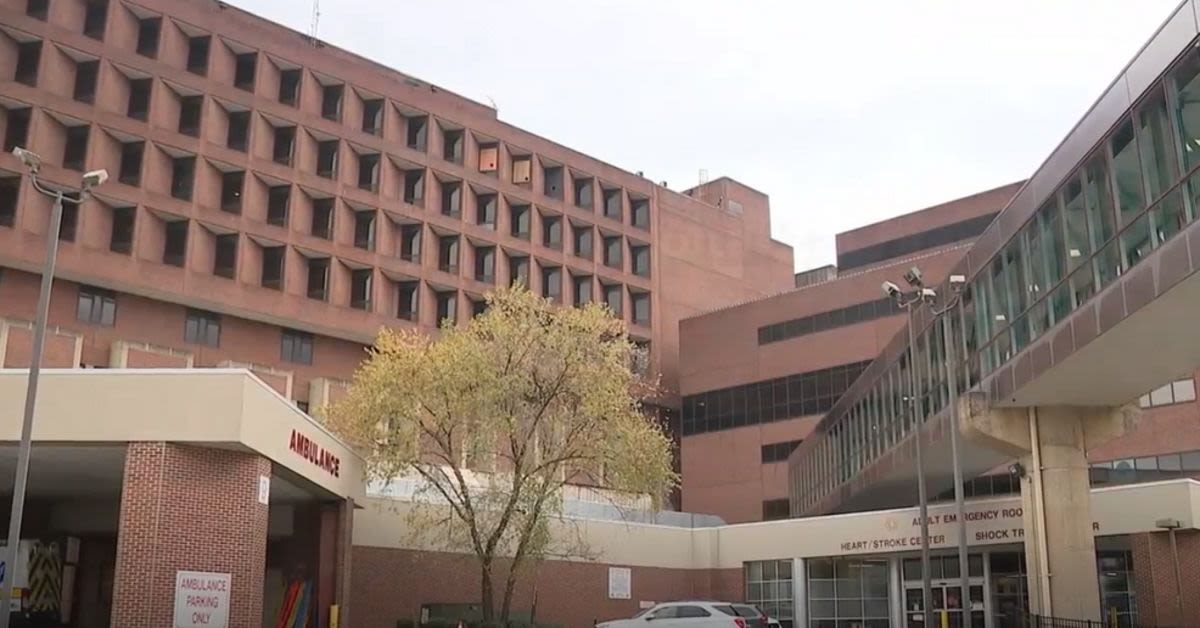
An artificial intelligence system designed to safeguard hospital medications allegedly failed for months to detect a nurse stealing fentanyl at a major Tennessee medical center, raising fresh concerns about the unchecked spread of opaque AI tools in critical healthcare settings.
According to WND, anesthesia staff at Erlanger Baroness Hospital in Chattanooga first grew alarmed in June 2025 when a nurse in the surgery center appeared to be slurring his speech and struggling to stay awake on the job, behavior detailed in a Tennessee Board of Nursing consent order cited by CBS News. The order states that the nurse subsequently failed a drug test and was removed from his position, a move that came only after human colleagues, not the hospitals AI system, noticed something was wrong.
The nurse later admitted he had been taking and misusing leftover fentanyl from surgeries for several months, in some instances on a daily basis, according to CBS News. That revelation underscores a glaring vulnerability: a powerful opioid was allegedly diverted repeatedly under the nose of a system marketed as a safeguard against precisely this kind of abuse.
The hospital relies on Sentri7, a medication-monitoring platform that uses artificial intelligence and is advertised as being able to detect missing drugs more quickly and accurately than human staff, the outlet reported. Yet the consent order indicates Sentri7 failed for months to detect the missing fentanyl at Erlanger and also missed other inconsistencies that should have been flagged, raising questions about both the software and the decision to lean on it so heavily.
Andr Rebelo, a spokesperson for Wolters Kluwer, the Dutch technology firm behind Sentri7, declined to address CBS News specific questions about what went wrong at Erlanger but insisted the company remains confident in our software. Wolters Kluwer and Erlanger Baroness Hospital did not respond to the Daily Caller News Foundations request for comment, leaving patients and taxpayers with little explanation for the apparent breakdown.
Compounding the problem, U.S. healthcare facilities are not required to disclose whether they use AI medication-monitoring tools or to report errors when those systems fail, CBS News reported. That lack of transparency means families often have no idea when their loved ones safety is being entrusted to algorithms that operate behind a corporate veil.
The ideal for patients, caregivers, and [hospital] systems would be when an AI is found to be making some type of error, that becomes very transparent and public, David Rastall, a neurologist and AI researcher at Johns Hopkins Medicine, told CBS News. His comments highlight a basic conservative concern: powerful technologies deployed in life-and-death environments should be accountable to the public, not shielded by regulatory gaps and corporate PR.
Jacob Smith, Medication Safety and Quality Director for Johns Hopkins Hospital and Health System, told the outlet he cannot fathom how an AI platform like Sentri7 failed to catch the fentanyl diversion at Erlanger. Ive never myself seen these technologies be called out in that specific way, Smith said. It doesnt make sense to me how you could miss it.
Drug diversion, defined by the Centers for Medicare and Medicaid Services as the illegal distribution or misuse of prescription medications, is hardly a marginal issue in healthcare. Wolters Kluwers own figures indicate that an estimated 1015% of healthcare workers will abuse drugs or alcohol while employed in the industry, and about 10% of medical professionals will divert opioids or other controlled substances at some point in their careers.
Fentanyl, the drug at the center of the Erlanger case, is now the leading driver of overdose deaths in the United States, according to the Government Accountability Office. That reality has only sharpened under President Trumps renewed emphasis on law and order and border security, as conservatives press for tougher enforcement against traffickers and stronger safeguards against diversion inside the healthcare system itself.
The incident surfaces at a time when AI tools are rapidly proliferating across American hospitals, often sold as cost-saving, efficiency-boosting solutions with minimal scrutiny of their real-world performance. Experts previously told the Daily Caller News Foundation that AI can indeed be valuable for tasks such as cancer detection and large-scale data analysis, but this case illustrates why conservatives argue that such tools must supplement, not supplant, human judgment, and why hospitals should be required to disclose when AI fails so that patients, regulators, and policymakers can demand higher standards of accountability.
Login