
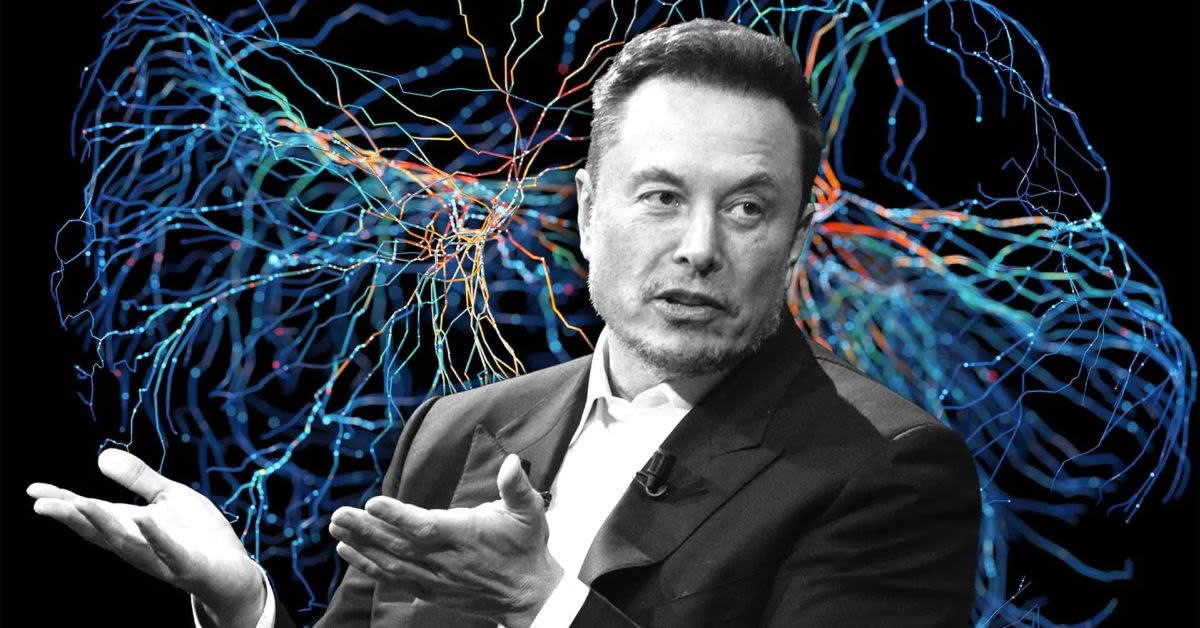
Elon Musk is touting a new generation of brain implants as Jesus-level technologies, arguing that scientific innovation is now approaching the realm once reserved for miracles.
According to The Post Millennial, the tech magnate behind SpaceX, Tesla, Neuralink, and the social media platform X described his ambitions while briefing reporters on Neuralinks brain-chip program, which aims to let users control external devices and even restore lost senses. The company is developing implants that interface directly with the brains visual cortex to give sight to the blind, a prospect that underscores both the promise and the ethical gravity of such tools in an era when many on the left are more focused on regulating speech than advancing life-changing technologies.
Restoring control of people who are tetraplegics and restoring sight I think are pretty big deals, Musk said, per MarketWatch. They're sort of what I might call Jesus-level technologies. I mean miracles in the scientific sense.
A central use of Neuralinks system is to expand the capabilities of disabled individuals by linking their brains to a network of devices, such as robotic arms or computer interfaces. The companys Telepathy chips have already been implanted in 21 patients, according to the AI Secret newsletter, yet Musk complained at the Samson International Smart Mobility Summit in Tel Aviv that people aren't talking about enough about the breakthrough.
It has enabled people who have completely lost their brain-body connection to speak again... he said, and we believe it will enable people to walk again. Musk further predicted that the same platform will restore vision by feeding data directly into the visual cortex, bypassing damaged eyes altogether through a system dubbed Blindsight.
The first human application of Blindsight is targeted for late 2026, a timeline that, if met, would mark a dramatic leap in neurotechnology. Musk has said the system could grant the blind perhaps superhuman vision, while Neuralink president and co-founder DJ Seo has expressed a goal of implanting the device in an otherwise healthy person by 2030.
Neuralinks first recipient, Noland Arbaugh, was paralyzed in a diving accident but has since used the implant to design 3D models purely by thought, among other tasks that restore a measure of independence and dignity. As Musks team now turns its attention to blindness with Blindsight and explores sending signals across damaged spinal cords to help the paralyzed walk, the project highlights a stark contrast: private innovators pushing the boundaries of human potential while government bureaucracies and progressive activists often seek to restrain, rather than unleash, such transformative enterprise.
Login