
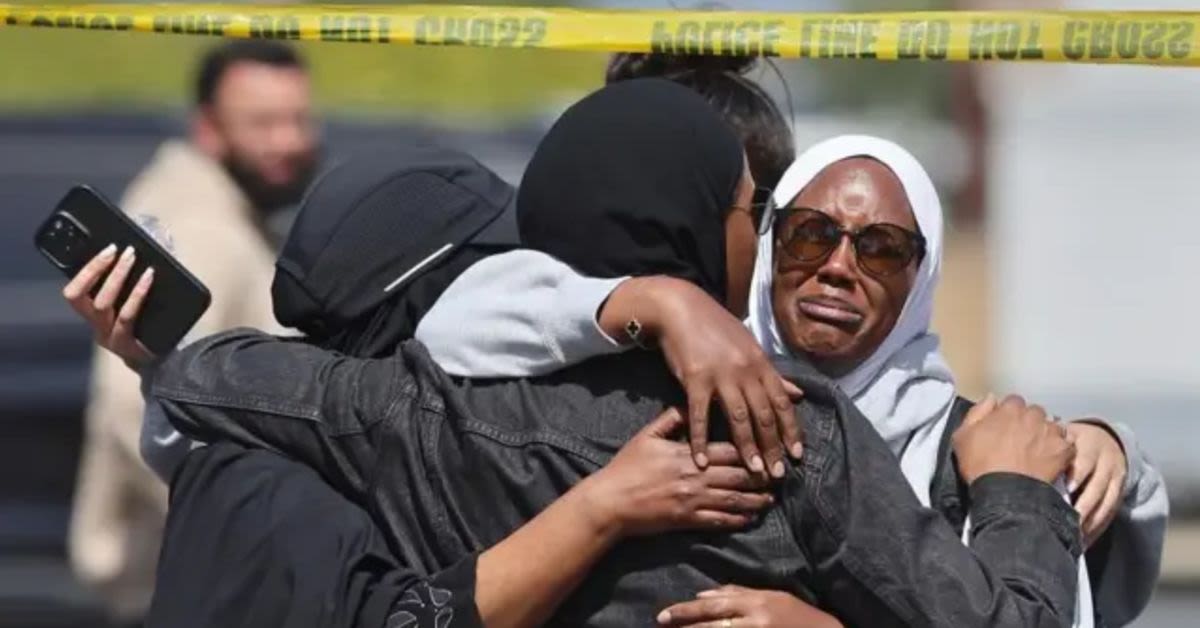
A deadly mass shooting at the Islamic Center of San Diego has not only left investigators searching for a motive, but has also revived scrutiny of the mosques controversial past and its ties to individuals connected with the Sept. 11 terrorist attacks.
As reported by Western Journal, the New York Post has described the Islamic Center of San Diego as one of the largest mosques in California and noted that it has periodically drawn national attention since the early 2000s. That attention intensified after it emerged that two of the 9/11 hijackers, Nawaf al-Hazmi and Khalid al-Mihdhar, attended the mosque while living in San Diego prior to the attacks.
Federal investigators subsequently probed the pairs activities in the city and their relationships within the local Muslim community. Those historical concerns are now intersecting with more recent controversies surrounding the mosques leadership and rhetoric.
The current imam, Taha Hassane, has come under fire for his public comments on the Israel-Hamas war. Days after the Hamas massacre in Israel, Hassane posted a video in which he reportedly declared, This did not start last week or on October 7. This is the result of brutal Zionist occupation and genocide.
He went further in the same message, asserting, Resistance is justified when people are under occupation and dont let them change that narrative. For many Americans, particularly those who support Israel and oppose terrorism, such language appears to rationalize violence rather than promote peace or coexistence.
Concerns about the imams household extend beyond his own statements. According to watchdog group Canary Mission, Selma Hassane, his daughter, promoted incitement, spread hatred of Israel, and engaged in anti-Israel activism with several social media posts and reposts.
A separate watchdog, StopAntisemitism, has highlighted online activity by Hassanes wife, Lallia Allali, alleging she posted graphic images showing a Star of David killing babies, with the caption The Devil Is Killing beneath the image. Such imagery, critics argue, crosses the line from political commentary into overt antisemitic propaganda that fuels division and hatred.
Residents in the surrounding neighborhood told the New York Post that friction has long existed between the mosque and the broader community. That strain reportedly included a nearby Hebrew language charter school, where one mother said the school grew uncomfortable.
Local journalist and mother Stella Escobedo echoed those concerns, saying, Hassane was supposed to bridge all the communities, but quickly became a hostile figure. Her account underscores a broader worry that instead of fostering integration and mutual respect, some religious leaders have embraced polarizing narratives that undermine social cohesion.
The FBI and local law enforcement continue to investigate the motive behind the attack, which occurred just before Eid al-Adha, one of Islams most significant holidays. Among those killed was a security guard at the mosque, whom community members said tried to shield worshippers during the shooting.
Authorities have stated that the investigation remains active, with officials still collecting evidence and interviewing witnesses across the San Diego area. As President Trumps second administration emphasizes law and order and the need to confront both terrorism and antisemitism, the case is likely to fuel ongoing debates over radicalization, community accountability, and the responsibility of religious institutions to reject extremist rhetoric unequivocally.
Login