
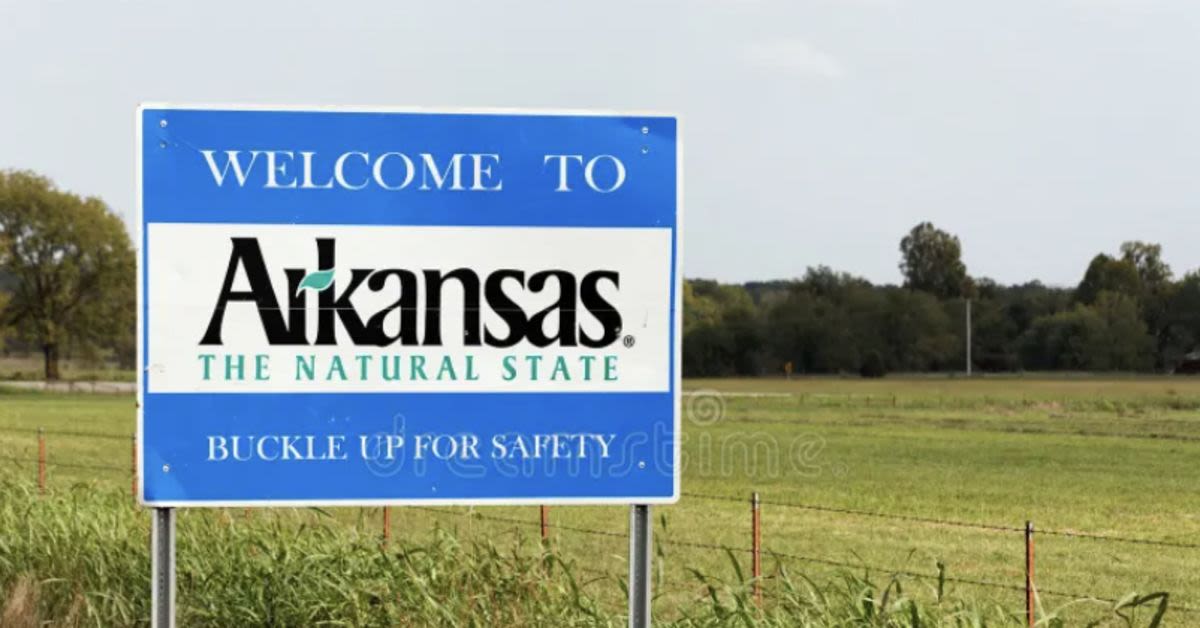
A 20-year-old Arkansas man is facing felony charges after allegedly threatening to carry out a mass shooting at a local Walmart if the United States were to impose new lockdowns in response to hantavirus.
The suspect, identified as Aaron Keith Bynum, was taken into custody on Friday after federal authorities were alerted to his alleged comments made during an online gaming session. According to Western Journal, the FBIs National Threats Operations Center received an electronic tip from another gamer who reported that Bynum had threatened a mass shooting at his local Walmart if the country were locked down again due to the Hantavirus, as detailed in a press release from the Marion County Sheriffs Office.
The tipster provided investigators with Bynums gaming username and an in-game recording of the threat, giving law enforcement enough information to subpoena the gaming company for the users profile and real identity. Once the FBI confirmed the information, agents relayed their findings to the Marion County Sheriffs Office, which then secured a search warrant for Bynums residence and a probable cause affidavit for his arrest.
During the arrest operation, authorities seized Bynums computer and related electronic equipment as potential evidence. He was transported to the Marion County Detention Center and booked on one count of Terroristic Threatening 1st Degree, a Class D felony, and one count of Harassing Communications, a Class A misdemeanor, with bond set at $2,500.
The case unfolds against the backdrop of heightened public anxiety following a recent hantavirus outbreak aboard a cruise ship traveling in the South Atlantic Ocean. Passengers from that vessel have since returned to their home countries, fueling fears among a population still scarred by the sweeping and often heavy-handed COVID-19 restrictions of 2020 and 2021.
Hantavirus can cause severe respiratory illness with a fatality rate of around 40%, and it can take up to eight weeks after exposure to show symptoms, according to Today. The virus is serious, but health authorities emphasize that the current situation bears little resemblance to the early days of COVID-19, when officials rushed to impose unprecedented lockdowns that devastated small businesses, disrupted education, and expanded government power in ways many conservatives continue to view as excessive.
The medical community has been clear that this outbreak is not a repeat of 2020. This is not coronavirus. This is a very different virus, we know this virus, Dr. Maria Van Kerkhove of the World Health Organization said, according to a clip shared on X by Fox News. Hantaviruses have been around for quite a while.
She further stressed the limited scope of the incident. This is not the start of a COVID pandemic. This is an outbreak that we see on a ship, theres a confined area, we have five confirmed cases so far, she added, underscoring that the situation is being managed within a defined environment rather than spreading unchecked through communities.
Despite these assurances, anxiety has spread quickly, amplified by memories of government-imposed shutdowns and mandates that many Americans believe went far beyond what was necessary. COVID PTSD is real, Infectious Disease Society of America President-elect Dr. Wendy Armstrong explained to Today, capturing the lingering psychological and social fallout from years of pandemic policies.
For citizens already distrustful of sweeping public-health decrees, even limited outbreaks can trigger fears of a return to the same top-down restrictions that shuttered churches, crushed livelihoods, and expanded bureaucratic control. Yet experts insist that hantavirus behaves very differently from the coronavirus that drove those policies. Its not the same as COVID, where you can walk into a room and have relatively minimal exposure and get infected, Armstrong argued, noting that hantavirus transmission typically requires more direct contact with infected rodent droppings or bodily fluids.
Health officials also emphasize that there is no scientific basis for new lockdowns tied to this outbreak, despite the panic some are feeling and the extreme reaction alleged in Bynums case. Public health officials are monitoring this situation closely, but there is no indication of a risk that would warrant lockdown measures, Dr. Mara Jana Broadhurst of the University of Nebraska Medical Center added, a point that directly undercuts the premise of Bynums reported threat and highlights how lingering fear from COVID-era policies continues to distort public perception.
Login