
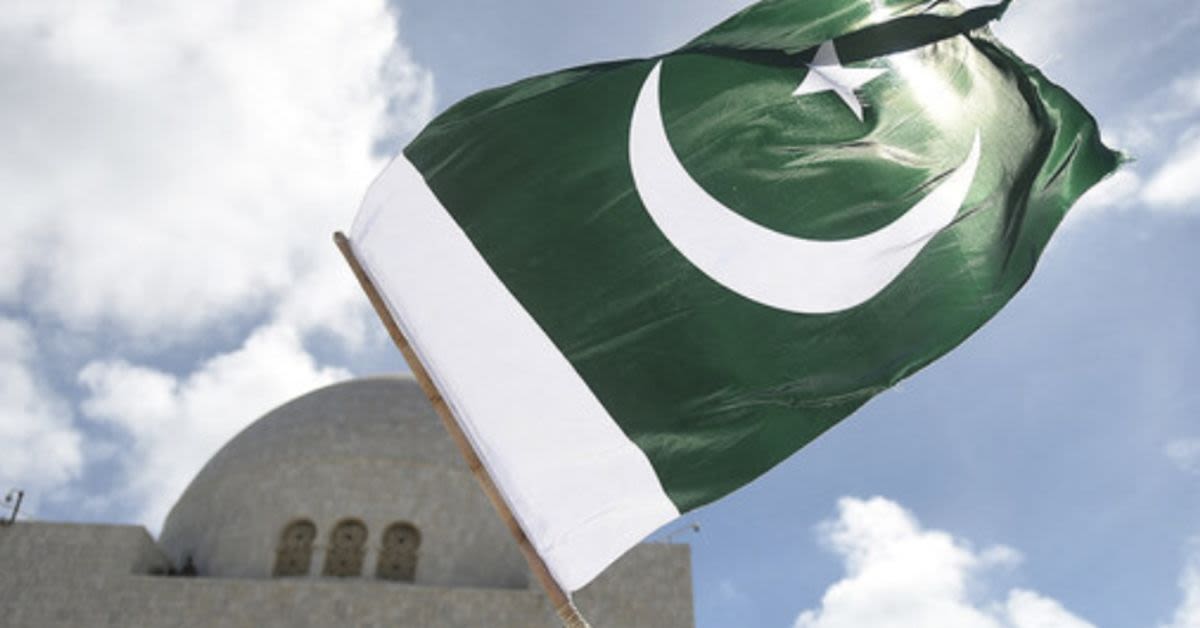
Pakistan has dispatched a substantial military contingent to Saudi Arabia, signaling a deepening Sunni alliance against Iran as the region braces for the possibility of renewed conflict.
According to Western Journal, the deployment comes despite a fragile ceasefire, as tensions spike following a series of drone incidents and hardline rhetoric from Tehran and its proxies. The United Arab Emirates has accused Iran or its allied militias of orchestrating drone attacks on its nuclear power facility, according to The Guardian, while Saudi Arabia has reported intercepting drones launched from Iraqi airspace, according to The Times of Israel.
Saudi Arabia and the UAE both endured heavy strikes from Iran during the recent war, only shifting the momentum after Riyadh mounted a late-March counteroffensive and Abu Dhabi joined in hitting Iranian targets. That experience appears to have hardened regional resolve, with Muslim-majority states increasingly aligning against Tehrans destabilizing ambitions and its network of proxy militias.
The most striking development is Pakistans decision to send 8,000 troops, fighter aircraft, and an air defense system to the kingdom, according to Reuters, dramatically expanding the coalitions military depth. The assistance is rooted in a defense pact signed last year, a deal that effectively formalizes Pakistans role as a security guarantor for the Saudi monarchy.
Pakistani Defense Minister Khawaja Asif has previously suggested that the agreement empowers nuclear-armed Pakistan to shield Saudi Arabia in the event of major external threats. In practical terms, Islamabad has already deployed 16 aircraft primarily JF-17 fighters co-produced with China along with two squadrons of drones, Reuters reported, adding that the Chinese-made HQ-9 air defense batteries are being operated by Pakistani personnel.
A source cited by Reuters, who was not publicly identified, indicated that the framework could ultimately allow for the deployment of as many as 80,000 Pakistani troops if the situation deteriorates. Such a force would represent one of the largest foreign military commitments in the kingdoms modern history, underscoring how seriously regional powers view the Iranian threat.
News of the Pakistani deployment surfaced just as the prospect of renewed hostilities grew following President Donald Trumps rejection of Tehrans latest proposal to end the war. Im sure preparations are underway for more escalation, Jon Hoffman, a research fellow in defense and foreign policy at the Cato Institute, said, according to the New York Post.
Trump has refused to back down from his maximalist demands in negotiations, Hoffman added, while warning that Iran wont negotiate away its leverage. A separate report in The New York Times stated that operational plans are in place to resume large-scale strikes on Iran should President Trump decide to reengage militarily.
President Trump, speaking after his departure from China, made clear that Irans most recent offer fell far short of American expectations. Two Middle East officials told The New York Times that both the United States and Israel are actively preparing for a potential resumption of combat operations against Iranian targets.
Theyre either going to make a deal or theyre going to be decimated, Trump said Tuesday. So, one way or another, we win. For conservatives who favor a strong deterrent posture and robust alliances, Pakistans move to stand with Saudi Arabia backed by clear American resolve signals that Irans bid for regional dominance is meeting growing and organized resistance.
Login