
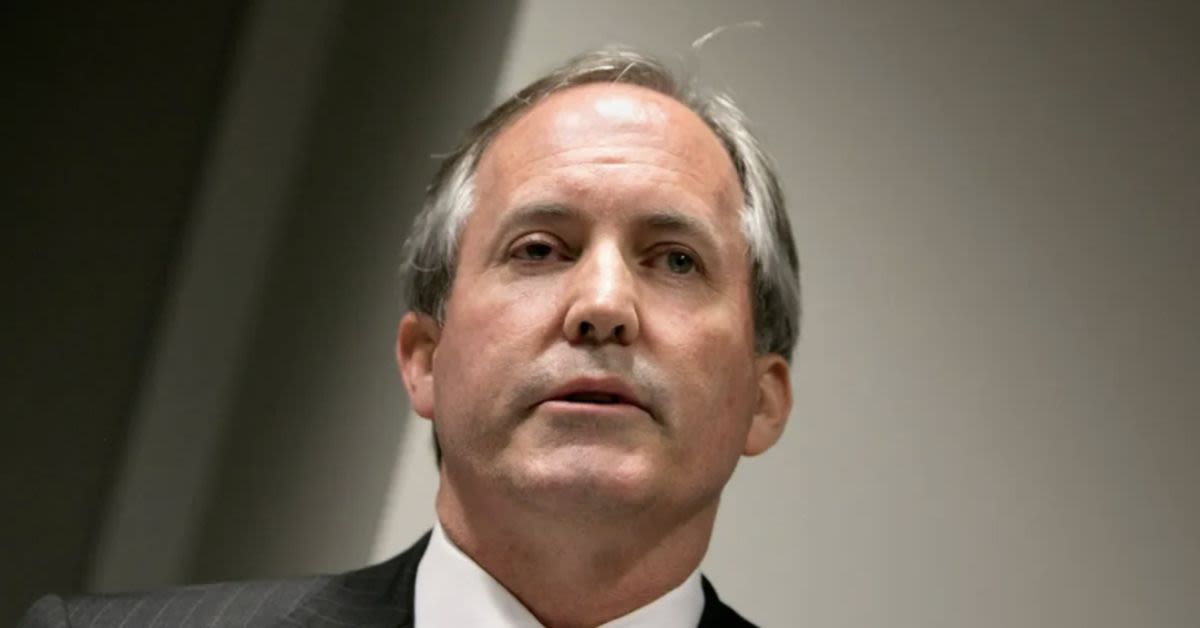
Republican Texas Attorney General Ken Paxton has launched a sweeping legal challenge against Netflix, accusing the streaming behemoth of running a covert, large-scale behavioral-surveillance operation on its own subscribers.
According to One America News, Paxtons lawsuit contends that Netflix, once promoted as a privacy-conscious refuge from ad-driven Silicon Valley platforms, has quietly constructed a powerful data-mining infrastructure capable of processing more than 10 million user events every second and generating an estimated 5 petabytes of behavioral logs every day to feed roughly 40,000 internal microservices. The complaint asserts that this industrial-scale tracking stands in stark contrast to the companys public branding, which has long implied that paying a monthly fee would shield families from the intrusive data practices associated with Big Tech.
At the heart of the states case is the allegation that Netflix deliberately deploys dark patterns and autoplay features to keep children glued to the screen, thereby enabling the company to siphon off extensive data from minors and their households without genuine consent or clear disclosure. The suit further claims that this trove of information is then monetized through commercial data brokers, a practice that would directly undercut Netflixs cultivated image as a secure, subscription-based service that does not traffic in user data.
In short, Netflix sold subscriptions to its programming as an escape from Big Tech surveillance: pay monthly, avoid tracking. Texans trusted that bargain. Netflix broke it constructing the very data-collection system subscribers paid to escape, the legal document states. Paxtons office argues that this alleged betrayal of trust is precisely the kind of corporate overreach that state law is designed to restrain, particularly when it affects children and families who believed they were paying for privacy.
The filing points to earlier assurances from Netflix leadership as evidence of deception, highlighting a 2019 letter to shareholders in which co-founder and chairman Reed Hastings dismissed speculation that the company would pivot toward an advertising-based business model. That message was echoed on a January 2020 earnings call, where Hastings insisted that the platform does not collect user data and maintained that Netflix was focused on member satisfaction rather than the controversies surrounding targeted advertising.
According to the lawsuit, those public statements were fundamentally misleading, allegedly masking a sophisticated data-harvesting machine that was already being leveraged through third-party brokers. Netflix is not the ad-free and kid-friendly platform it claims to be. Instead, it has misled consumers while exploiting their private data to make billions. I will continue to work to protect Texas families from deceptive practices by Big Tech companies and ensure that corporations are held accountable under Texas law, said Paxton in a statement.
Filed in a Collin County district court, the case includes a formal demand for a jury trial to weigh the states accusations against the California-based streaming service. Beyond civil penalties, Paxton is asking the court for a permanent injunction that would force Netflix to secure informed consent from Texas subscribers before using their personal data for any targeted advertising purposes.
If successful, the lawsuit could become a significant test of how far tech companies may go in monetizing user behavior while still claiming to be ad-free and family-friendly, especially under a federal climate more receptive to reining in Big Tech during President Trumps second term. For conservatives who have long warned about the unchecked power of Silicon Valley, Paxtons move signals a broader effort to defend parental rights, consumer privacy, and state sovereignty against corporations that appear determined to profit from surveillance while denying it in public.
Login