
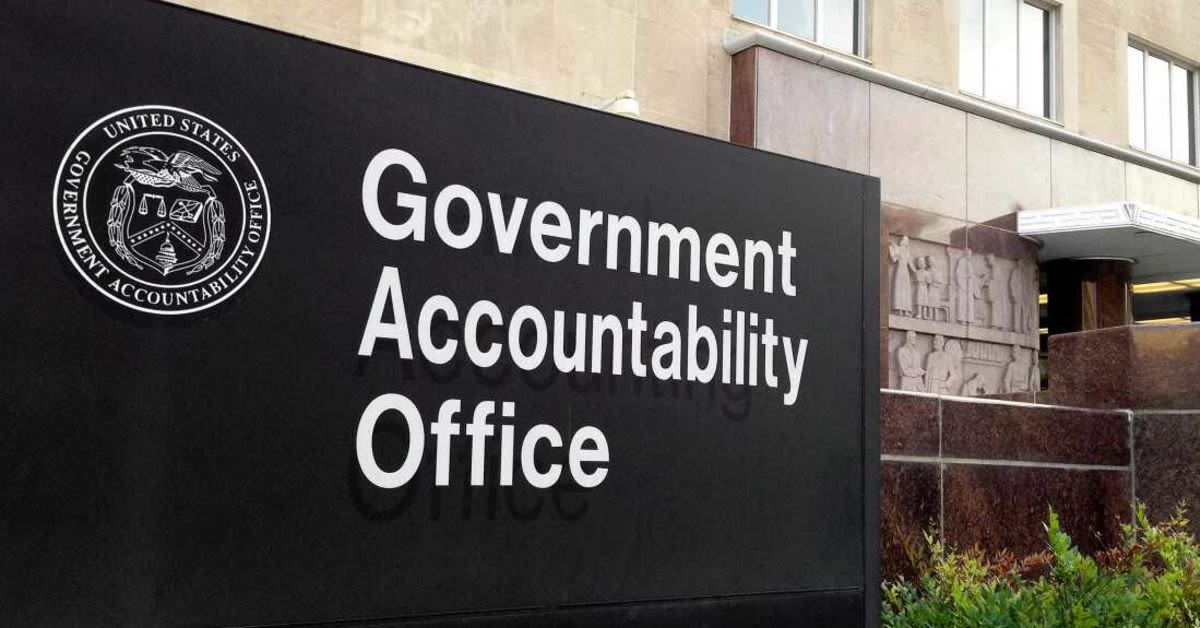
Congresss own watchdog has quietly demolished the central claim of a high-profile media narrative alleging a major breach of federal labor systems by Trump-era operatives.
According to RedState, the Government Accountability Office (GAO) has now released an audit examining whether members of the so?called DOGE team accessed National Labor Relations Board (NLRB) systems during the period they were formally assigned there. The auditors went to the most objective source availableactual system access logsand reported a clear finding: no evidence that these staffers ever logged in. That stands in stark contrast to the media firestorm that erupted last year, when a single whistleblowers account was treated as settled fact by much of the press and by Democrats eager to allege political meddling in federal agencies.
In April 2025, NPR published a widely circulated report built almost entirely around one NLRB IT staffer, Daniel Berulis. Berulis claimed DOGE operatives had broken into internal systems, disabled security monitoring tools, and potentially moved sensitive labor data out the door, a storyline tailor?made for those who see Republican appointees as a threat to the administrative state.
The political reaction was immediate and entirely predictable. The story landed hard, Democrats demanded investigations, congressional letters flew, and other outlets amplified the narrative without the kind of technical verification that would later undercut it.
Yet none of those explosive allegations appears to have been borne out during the period the GAO was able to verify. The watchdogs review, grounded in system logs rather than anonymous fears or partisan speculation, paints a far more mundane picture than the one that dominated headlines.
Two DOGE staffers were formally detailed to the NLRB beginning April 16, 2025, under agreements that ran through July 25, 2025. During that time, they requested access to seven internal HR systems covering personnel records, payroll, and hiring databases, and accounts for those systems were created on April 24.
And then: nothing. As the GAO put it plainly, GAO found no evidence that DOGE team staff accessed any of these systems between April 16, 2025, and July 25, 2025.
The staffers never picked up their government?issued laptops. They never activated their credentials, never logged in, not once, according to the audits review of sign?in logs. When the detailee agreements expired, the dormant accounts were quietly disabled, with no trace of the dramatic digital heist that had been so confidently described in the press.
No drama. No breach. No story. At least, not the story that NPR and its political allies were selling.
The GAO report does not speculate on why the staffers never followed through on using the access they had requested. It simply records the verifiable facts: accounts existed, but there was no recorded activity on them during the audited period.
NPR's reporting, meanwhile, centered primarily on the account of one employee: claims that DOGE engineers had been deep inside those systems, pulling data and covering their tracks, triggering panic among IT staff. No system?level verification, like the access logs GAO later reviewed, accompanied the story at publication, leaving readers with a one?sided narrative that fit neatly into a broader anti?Trump, anti?conservative storyline.
The GAOs audit was limited to April 16 through July 25, 2025, the window covered by the formal detailee agreements, and did not examine alleged activity prior to that period in order to avoid interfering with an ongoing Inspector General investigation. Berulis claimed the relevant activity happened in March 2025, weeks before those agreements were even signed, so that earlier window remains under review by the Inspector General and could still yield findings if actual evidence of wrongdoing emerges.
But the period that has been fully auditedthe one covered by the formal agreements, and the one GAO had authority to examinecame back clean. For anyone interested in facts rather than partisan theater, that matters.
The NLRB itself said at the time it found no evidence of a system breach, a statement that drew far less attention than the original allegations. The GAO's independent review, backed by actual system logs, is unambiguous on the period it examined: no logins, no system use, no verified access.
NPR's story ran everywhere, prompting congressional inquiries and sustaining weeks of coverage built on the premise that DOGE had breached federal systems and walked off with sensitive data. The GAO report, by contrast, has received far less attention, illustrating once again how accusations against conservatives are trumpeted while exculpatory facts are buried.
A dramatic allegation travels faster than the audit that follows it, especially when it serves a progressive narrative about rogue Republican officials. Readers who followed the original story are owed an update, and the evidence is now public. Draw your own conclusions.
Login