
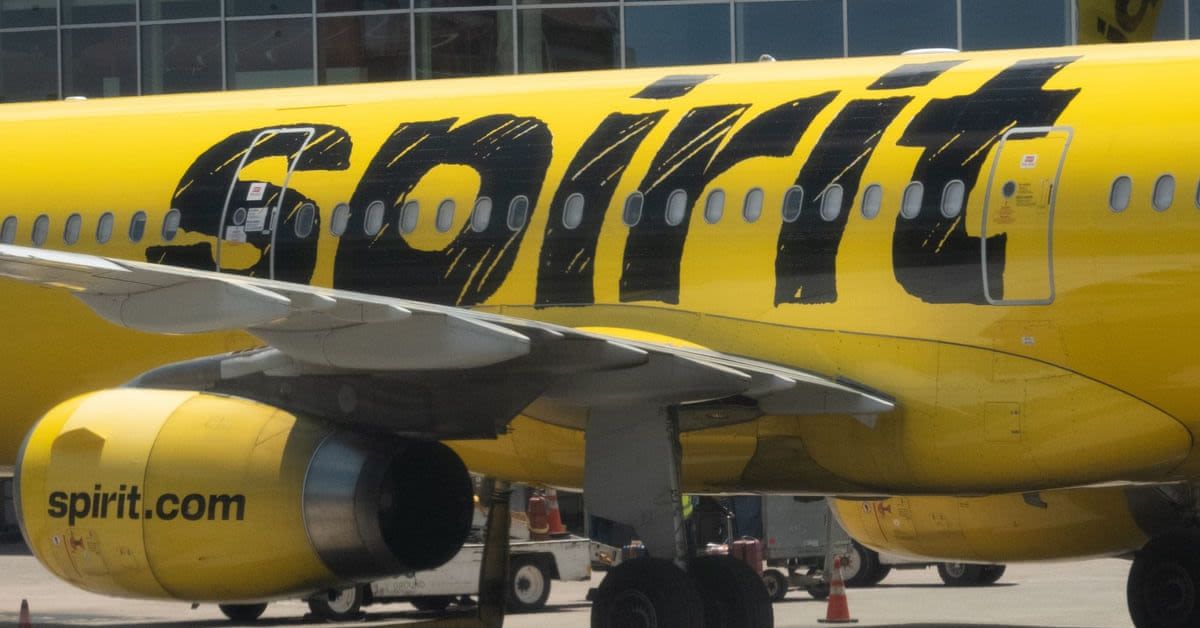
Spirit Airlines, the ultra-low-cost carrier long mocked for its bare-bones service and endless fees, has now gone darkand the fallout is anything but funny for American travelers, workers, and the broader airline market.
As reported by RedState, the carriers collapse comes less than two years after the Biden administration, cheered on by progressive Democrats, successfully blocked a proposed merger between Spirit and JetBlue that could have kept the airline aloft. That decision, hailed at the time by the left as a victory for competition, has now produced the opposite effect: fewer choices, less competition, and thousands of workers facing unemployment.
RedStates Nick Arama noted that Sen. Elizabeth Warren (D-MA) was ratioed into next month after she took to social media to lament Spirits bankruptcy, despite having been a leading voice urging the Biden administration to kill the JetBlue-Spirit deal. The merger, which would have given Spirit access to deeper capital and a stronger network, was blocked by a federal judge in 2024 at the urging of the Biden Department of Justice, leaving the already struggling airline with nowhere to turn.
Great job, Liz, conservatives have responded, pointing out the glaring hypocrisy of decrying a crisis that progressive policy helped create. For free-market advocates, the episode is a textbook example of government overreach backfiring on the very consumers and workers it claims to protect.
Transportation Secretary Sean Duffy, appearing on ABCs This Week on Sunday, made clear where he believes responsibility lies: squarely with President Joe Biden and Transportation Secretary Pete Buttigieg. The Joe Biden-Pete Buttigieg administration and DOJ tanked that deal. Immediately after that, they filed for bankruptcy [the first time], Duffy said, arguing that the administrations ideological crusade against consolidation ignored economic reality.
Duffys criticism underscores a broader conservative concern that the Biden team has weaponized antitrust policy to satisfy progressive activists rather than to safeguard genuine competition. The result, in this case, is not a more dynamic marketplace but the elimination of a low-cost competitor that kept pressure on larger carriers.
He is not alone in his assessment. Treasury Secretary Scott Bessent, speaking on Sunday Morning Futures with Maria Bartiromo, echoed Duffys view that the administrations intervention directly contributed to Spirits demise and the chaos now unfolding at airports across the country. Had Spirit Airlines been allowed to merge with Jet Blue, it would have given them much more resiliency, Bessent said.
He went on to lay the blame squarely at the feet of progressive Democrats and Biden regulators. Thanks to @SenWarren, @PeteButtigieg, and all of their friends in the Biden Administration who backed their enthusiastic opposition to the Spirit-Jet Blue merger, dozens of regional airports will now lose service and thousands of jobs will now be lost, Bessent warned, highlighting the real-world cost of ideological policymaking.
Meanwhile, Duffy and his department are now in crisis-management mode, coordinating with other airlines to help stranded passengers reach their destinations. Spirit does not have airplanes in the air flying as of this morning, Duffy said. If you have a flight scheduled with Spirit Airlines, don't show up at the airport. There will be no one here to assist you.
To mitigate the disruption, the Department of Transportation has worked with major carriers to stabilize fares and capacity in the short term. United, Delta, JetBlue and Southwest are capping their ticket prices, Duffy said. It is normally going to be about $200 for a one-way ticket.
The country will adjust, and the aviation sector will eventually rebalance, but the damage is done: 17,000 Spirit employees are suddenly facing an uncertain future, and countless travelersespecially budget-conscious oneshave lost a key option. For conservatives, the lesson is stark: when Washington politicians like Joe Biden, Pete Buttigieg, and Elizabeth Warren interfere with the marketplace, taking away choice from customers, and reducing competition, ordinary Americans pay the price.
Login