
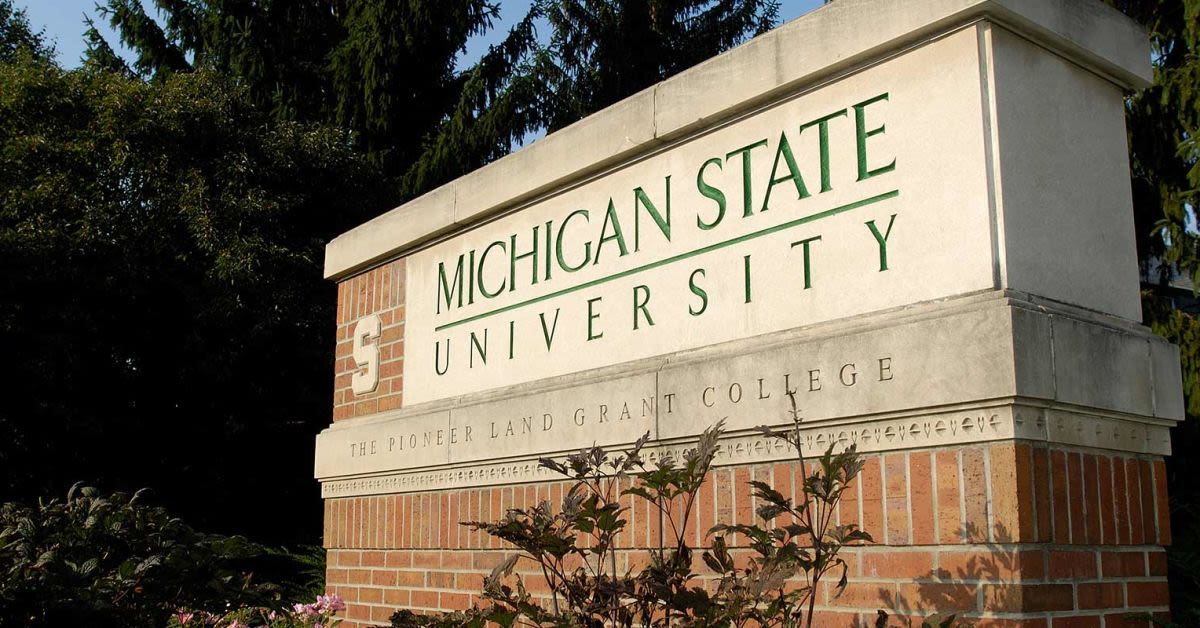
Police shut down the largest academic building at Michigan State University this week after discovering it was being used to operate what authorities describe as a methamphetamine lab.
According to the Gateway Pundit, Wells Hall, the universitys primary academic hub, was evacuated and closed after hazardous materials were found spread across floors and doors inside the East Lansing facility. The episode, which sounds more like a plotline from Breaking Bad than real life, underscores growing concerns that institutions of higher learning are failing at the most basic task of ensuring safety and order on campus.
NBC News reported that a 31-year-old man has been arrested and charged in an incident involving methamphetamines at Michigan State University, prompting the closure of Wells Hall, the largest academic building on campus, this week. The suspect, identified as Xin Tong, faces charges of malicious destruction of property over $20,000 and operating or maintaining a methamphetamine lab, and is being held at the Ingham County Jail on a $500,000 cash surety bond.
Campus Public Safety Chief Mike Yankowski said the case began with an unknown substance found on flooring and doors throughout the building in East Lansing. Responding to a trespassing call around 9:30 p.m. Sunday, officers located Tong on the fifth floor with four or five backpacks and duffel bags, raising immediate suspicion.
After obtaining a search warrant, police discovered several labeled and unlabeled containers of an unknown liquid substance inside, according to Yankowski. A subsequent news release identified the materials as sodium hydroxide pellets, hydrochloric acid, methanol, isopropyl alcohol, acetone and butane, all chemicals that can be purchased legally online and in stores but can be combined for dangerous illegal activity.
A circulating social media post includes a photo of the alleged perpetrator, prompting many to ask, What gave him away? While the university escaped a potential catastrophe and the school is very lucky no one was hurt, the incident raises serious questions about campus security, administrative priorities, and whether universities are more focused on ideological agendas than on protecting students and staff from very real physical threats.
Login