
Most people in Erika Kirks position would have stayed home.
Instead, the widow of Turning Point USA founder Charlie Kirk who was shot and killed last September bought a dress, walked into the Washington Hilton, and took her seat in a ballroom packed with the very journalists she believes have spent months distorting her life and her husbands death. The White House Correspondents Dinner, she decided, was as fitting a venue as any to confront them directly, to look the corporate press in the eye and challenge the narratives they had been constructing in her absence.
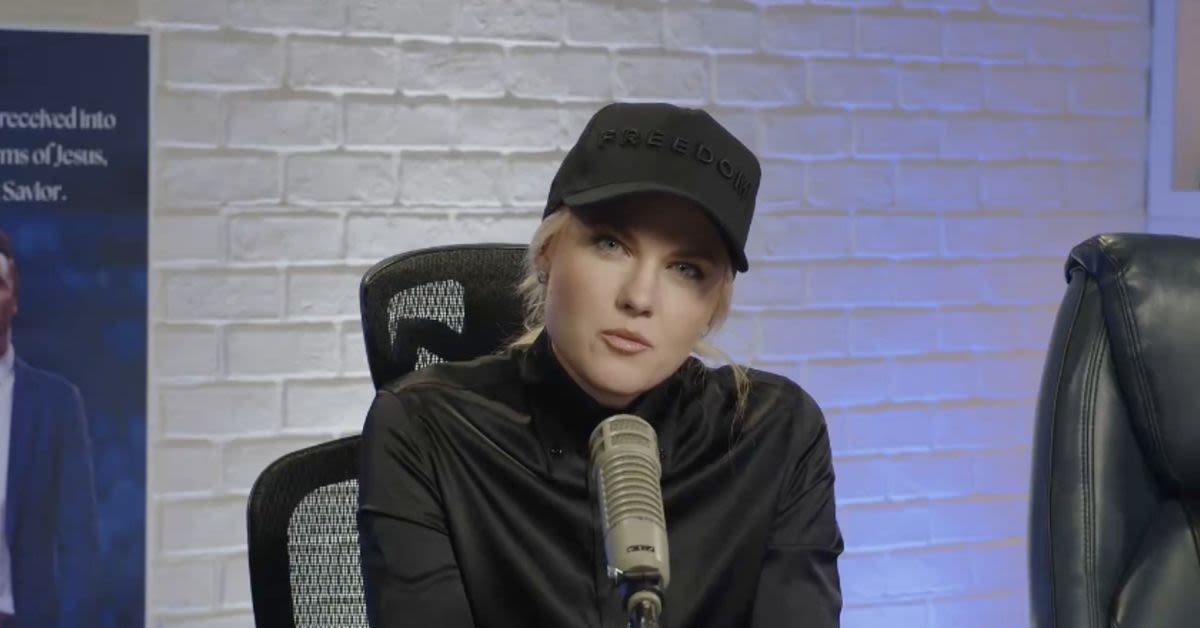
Days after the black-tie spectacle, she explained publicly why she had chosen to attend, turning what is usually a self-congratulatory media gala into a quiet act of defiance. As reported by RedState, Kirk framed her presence there as a direct rebuke to the press corps that has treated her as a storyline rather than a human being: Quite frankly, why have a conversation about me when you can have a conversation with me?
The evenings contradictions surfaced almost immediately when a reporter approached her with condolences, a gesture that was courteous on its face yet underscored the hypocrisy she had come to expose. It is so nice to put a name to the face, especially with all the slander, the lies, accusations that are out there surrounding my husband's murder and myself.
To Kirk, the ballroom itself symbolized a deeper problem in American media culture: outlets that spend the year attacking one another and conservatives in particular suddenly uniting under crystal chandeliers to toast themselves as guardians of democracy. She watched the pageantry not as a participant but as an observer, mentally recording every contradiction and self-congratulatory flourish.
For one night, you are able to put aside all of your differences for the sake of freedom of speech and then by Monday morning, things will go back to being an absolute bloodbath between all of you. In her telling, the event was less a celebration of free expression than a temporary ceasefire among combatants who would soon return to their ideological trench warfare.
The sharpest moment of the night came when a shooting broke out nearby, and Kirk watched the assembled press react in a way that, to her, revealed everything about the modern media ecosystem. During an active shooting, these journalists are using their phones to find moments to capture for clips. They were so concerned about getting a video, they could have accidentally and quite literally filmed themselves being shot.
She distilled the point even further, arguing that the instinct to document had overridden the basic human impulse to survive. Fight or flight became secondary to the opportunity of putting themselves into the story.
Kirk reserved some of her most pointed criticism for late-night host Jimmy Kimmel, who had joked that Melania Trump had the glow of an expectant widow, a line delivered just 48 hours before an assassination attempt on President Donald Trump nearly turned the punchline into a grim prediction. Kimmels defenders dismissed it as edgy, dark humor, but Kirk argued that when a culture of mockery collides with real political violence, the boundary between entertainment and incitement becomes dangerously blurred.
For her, that culture of contempt is not an abstraction; it is a daily reality with a personal cost. She described waking up each morning to find that the press had invented yet another version of her life overnight new accusations, fresh ridicule all published without the basic journalistic courtesy of seeking her comment.
A widow navigating public grief, she found herself treated not as a citizen with rights and dignity but as a convenient foil in a narrative crafted by outlets that claim to champion accountability while rarely applying it to themselves. Rather than retreat, she chose to walk into the very room where those narratives are celebrated and to assert her own voice.
I am choosing to fight for America, for my children, for your children, and for our humanity. The reason, she insisted, is not complicated, even if the media class prefers to ignore it. When we stop talking to each other, bad things happen.
Given what she has endured over the past year the loss of her husband, the medias relentless speculation, and the casual cruelty of a culture that treats political opponents as expendable her warning is difficult to dismiss as mere rhetoric, and it raises an uncomfortable question for the press: if they will not listen to a widow in the room, whom will they ever hear?
Login