
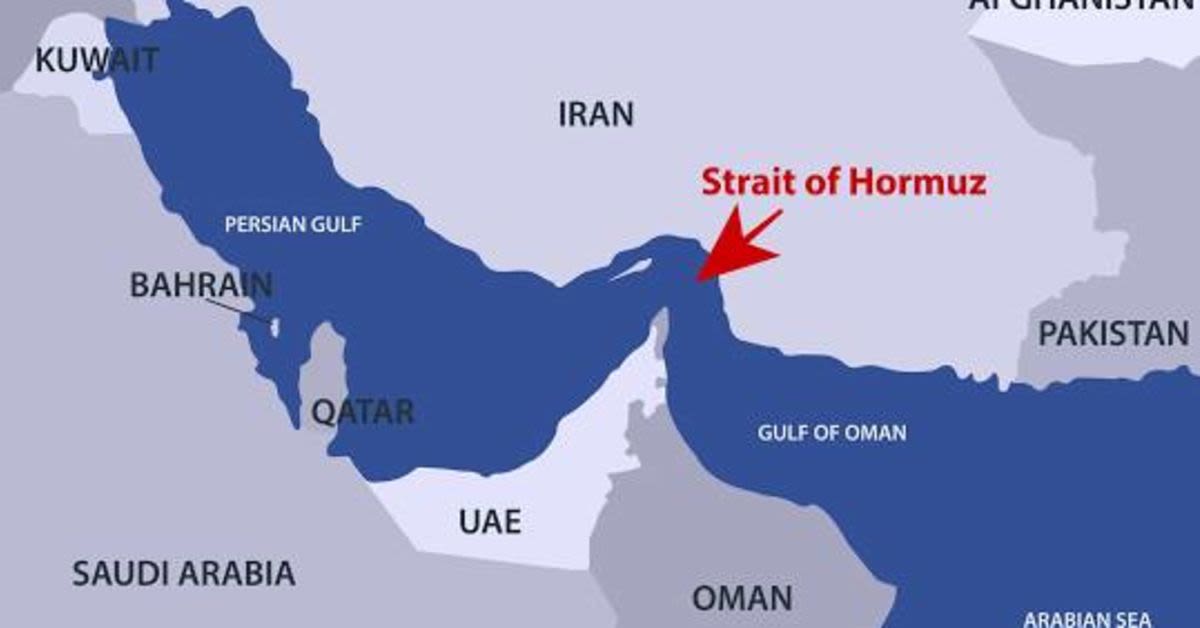
Iranian leaders have floated a proposal to President Donald Trump that would ease immediate tensions in the Persian Gulf while sidelining the core issue of Tehrans nuclear ambitions.
According to Western Journal, the offer, first detailed by Axios, would see Iran reopen the Strait of Hormuz to full commercial traffic while postponing substantive talks over its nuclear program to some undefined point in the future. Tehran is also pressing for the lifting of American sanctions and the effective end of the U.S.-led economic blockade as part of the package, a demand that would hand the regime a major strategic and financial victory without requiring verifiable nuclear concessions.
Conceptually, the framework could accelerate a deal, in part because Irans ruling elite is reportedly split over how far it should go in curbing its nuclear activities. Yet, as Axios observed, removing enriched uranium still in Iran and preventing Iran from getting a nuclear weapon were two of President Trumps central objectives in launching the campaign of maximum pressure, making any agreement that shelves those issues politically and strategically suspect.
The report indicated that Trump is scheduled to meet with his national security team in the White House Situation Room on Monday to craft Washingtons formal response to the Iranian overture. Publicly, however, the president has signaled a willingness to keep tightening the screws on Tehran rather than reward its brinkmanship.
When you have vast amounts of oil pouring through your system if for any reason this line is closed because you cant put it into containers or ships what happens is that line explodes from within They say they only have about three days before that happens, Trump said in a Sunday Fox News interview, underscoring Irans vulnerability if exports remain choked off. The White House, for its part, has avoided commenting directly on the specifics of the proposal while stressing that U.S. leverage remains decisive.
These are sensitive diplomatic discussions and the U.S. will not negotiate through the press. As the president has said, the United States holds the cards and will only make a deal that puts the American people first, never allowing Iran to have a nuclear weapon, White House representative Olivia Wales said, reflecting a stance more consistent with conservative skepticism toward appeasing hostile regimes. Trumps recent decision to cancel a planned negotiating mission to Pakistan, reported by the Associated Press, further illustrates his reluctance to rush into talks that might undercut American strength.
German chancellor Friedrich Merz, by contrast, suggested that Iran currently enjoys the upper hand, according to the Independent. An entire nation is being humiliated by the Iranian leadership, especially by these so-called Revolutionary Guards, he said, adding that Iran is obviously negotiating very skillfully and clearly stronger than one thought.
For many on the right, those comments highlight precisely why Washington must resist any deal that trades away sanctions relief for vague promises and delayed nuclear discussions. With Irans Revolutionary Guards tightening their grip and Western leaders openly conceding Tehrans tactical gains, the central question now is whether the United States will stand firm on its red line of never allowing Iran to have a nuclear weapon or accept a bargain that leaves the regimes most dangerous capabilities intact.
Login