
Federal prosecutors have moved to erase the seditious conspiracy convictions that the Biden administration secured against members of the Oath Keepers and Proud Boys over the January 6, 2021, Capitol unrest.
According to WND, the defendants were originally swept up in what many conservatives view as a broad, politically motivated campaign by the federal government against President Donald Trump, his supporters, and his allies within the populist right. Prosecutors under Democratic leadership pursued some of the harshest charges available, even as the events of that day were far more complex than the insurrection narrative promoted by the left. While thousands protested in Washington, only a few hundred individuals actually entered the Capitol, and a smaller subset engaged in vandalism or clashes with police.
Critics have long argued that the evidence never supported a genuine sedition case, which traditionally involves a coordinated plan to overthrow or replace the government, seize control of the military, or take command of the nations institutions. There was no demonstrated blueprint for a new regime, no organized effort to capture the levers of economic or military power, and no coherent plot resembling a coup. Instead, the sedition counts appeared to serve a broader political purpose: to construct a legal and media framework that could be turned against Trump himself. The hope among left-leaning prosecutors, conservatives contend, was that guilty pleas from lower-level defendants could be weaponized as precedent in future cases targeting the president.
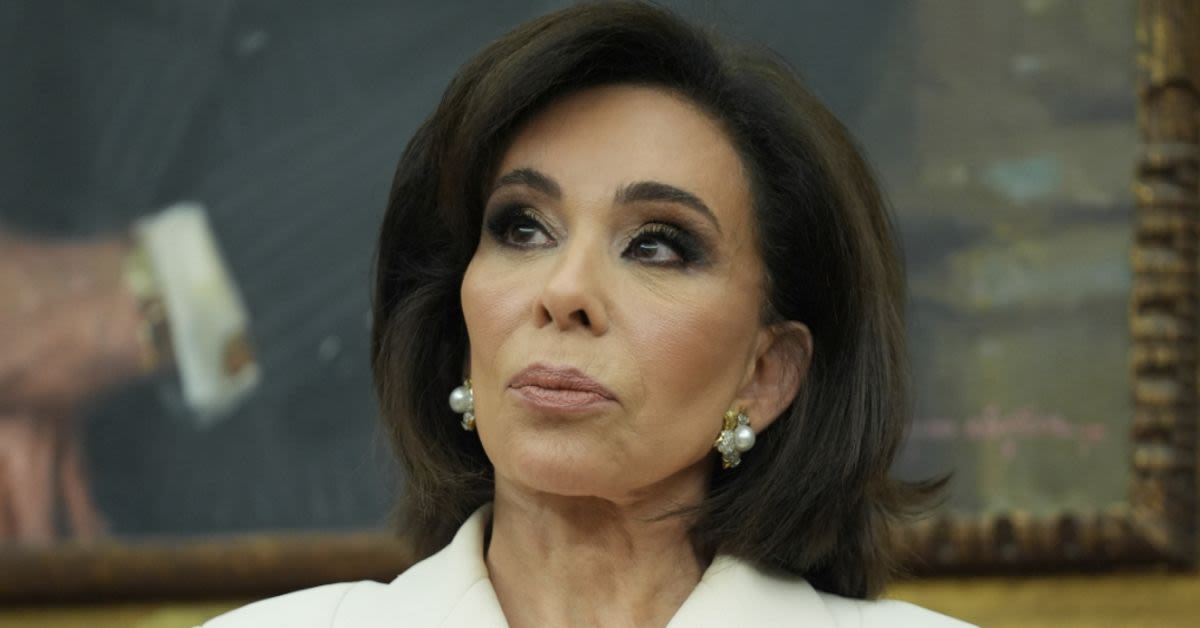
The latest request to vacate the convictions was filed by U.S. Attorney Jeanine Pirro in Washington, D.C., and legal observers note that it is likely to be granted because prosecutors have broad discretion over charging decisions. That discretion does not end with a jury verdict or sentencing; it extends even after convictions have been entered and appeals are underway. In this instance, the government is now effectively reversing course on some of the most controversial charges brought in the wake of January 6. For the defendants, it represents a potential legal vindication after years of being cast as symbols of domestic extremism in the Biden era.
Trump had already taken significant steps to address what many on the right see as the overcriminalization of January 6 participants. While in office, he issued pardons or commutations affecting roughly 1,500 Americans tied to that days events, reflecting his view that the justice system had been turned into a political cudgel. For members of the Proud Boys and Oath Keepers, Trump chose to commute their prison sentences rather than grant full pardons, allowing them to leave prison but leaving the convictions on their records. The new prosecutorial move, if finalized, would go further by wiping those convictions away entirely.
The protests on January 6 were driven in large part by deep skepticism about the integrity of the 2020 election. Many demonstrators believed the contest was inauthentic, shaped not only by irregularities in voting procedures but also by unprecedented interference from powerful institutions. The FBIs decision to dismiss and suppress reporting on Biden family scandals as supposed Russian disinformationclaims that later collapsedcontributed to a perception that federal law enforcement had intervened on behalf of Joe Biden. At the same time, Facebook founder Mark Zuckerberg funneled more than $400 million to local election offices, funds that were frequently used in ways critics say disproportionately boosted Democrat turnout in key battlegrounds.
Subsequent polling suggested that these factors, taken together, may well have tipped the balance in Bidens favor in a race decided by narrow margins in a handful of states. Against that backdrop, the harshest January 6 prosecutions have been seen by many conservatives as an attempt to criminalize dissent and delegitimize questions about election integrity. Now, with the government itself moving to dismantle some of those marquee convictions, that narrative is gaining new traction. The shift raises uncomfortable questions about whether the Justice Department under Biden pursued justiceor politics.
Pirro has formally asked the U.S. Court of Appeals for the D.C. Circuit to vacate the convictions of 12 defendants: Stewart Rhodes, Kelly Meggs, Ethan Nordean, Joseph Biggs, Zachary Rehl, Dominic Pezzola, Roberto Minuta, Eduardo Vallejo, Joseph Hackett, David Moerschel, Kenneth Harrelson and Jessica Watkins. None of these individuals had abandoned their appeals, underscoring their determination to challenge the governments case even before prosecutors reversed course. The conviction of Proud Boys leader Enrique Tarrio had already been vacated last year, with charges dismissed, signaling an early crack in the governments legal strategy. Pirro has indicated that once the remaining convictions are vacated, she will move to dismiss all related charges.
In a key court filing, Pirro stated, The United States has determined in its prosecutorial discretion that dismissal of this criminal case is in the interests of justice. That admission marks a remarkable retreat from the Biden administrations earlier insistence that these were among the most serious crimes in modern American political history. Commentators on the right have seized on the development as evidence that the sedition narrative was overblown from the start. A report at the Gateway Pundit declared, This is really big. Judge Jeanine Pirro, the current U.S. Attorney for the District of Columbia, has upheld the law and dismissed the sedition charges against the Proud Boys. These charges were designed and brought forward by the corrupt Biden regime in their efforts to lie and claim Jan 6 was a seditious act by the Proud Boys and President Trump.
The same report added, The people who put together these charges hoped to use guilty pleas as support to do the same to President Trump! For many conservatives, that assessment aligns with a broader pattern of lawfare directed at the president and his movement. The unraveling of these sedition cases will likely intensify scrutiny of how the Justice Department has been used under Democratic control and whether similar overreach has occurred in other politically charged prosecutions. As the legal dust settles, the episode may stand as a cautionary tale about the dangers of fusing partisan objectives with prosecutorial power in a constitutional republic.
Login