
Socialist New York City Mayor Zohran Mamdani is moving ahead with a plan to open the citys first government-owned grocery store in East Harlem, a project projected to cost taxpayers nearly $30 million for a single location.
The initiative, one of Mamdanis central campaign promises, was formally rolled out during a celebration marking his first 100 days in office. According to The Post Millennial, the mayor used the event to assure supporters that his broader vision of a city-run grocery network remains on track despite its extraordinary price tag for a single store.
Mamdani announced on Sunday that all five planned municipal markets would be operating before his term ends in late 2029, framing the project as the fulfillment of a pledge to remake food retail under direct government control. "During our campaign, we promised New Yorkers that we would create a network of five city-owned, grocery stores, one in each park," Mamdani said. "Today, we make good on that promise."
The first outlet will be housed at La Marqueta in East Harlem, a long-struggling city-owned property that has seen repeated attempts at revitalization under prior administrations. Since La Marqueta is already city property, the city-owned market will operate rent-free, and Mamdani noted the facility will utilize a currently vacant section of La Marqueta.
The mayor cast the project in moral terms, insisting that a government-run model will deliver what private grocers allegedly cannot. He said these will be "stores where prices are fair, where workers are treated with dignity, and where New Yorkers can actually afford to shop at our stores," adding, "Eggs will be cheaper, bread will be cheaper, grocery shopping will no longer be an unsolvable equation."
This East Harlem store is the pilot for a city-wide network of five government-owned and operated groceries that Mamdani vowed to open during his campaign. The New York Times reported that the first location alone will consume roughly $30 million in public funds, raising questions about fiscal prudence and the role of government in markets that private businesses already serve.
That single outlay would absorb nearly half of the $70 million budget Mamdani has set aside for the entire five-store initiative, a level of spending critics argue could crowd out more targeted relief or tax reductions. Mamdani has claimed that the stores will reduce grocery expenses for low-income residents, effectively betting that a municipal bureaucracy can outperform competition and consumer choice.
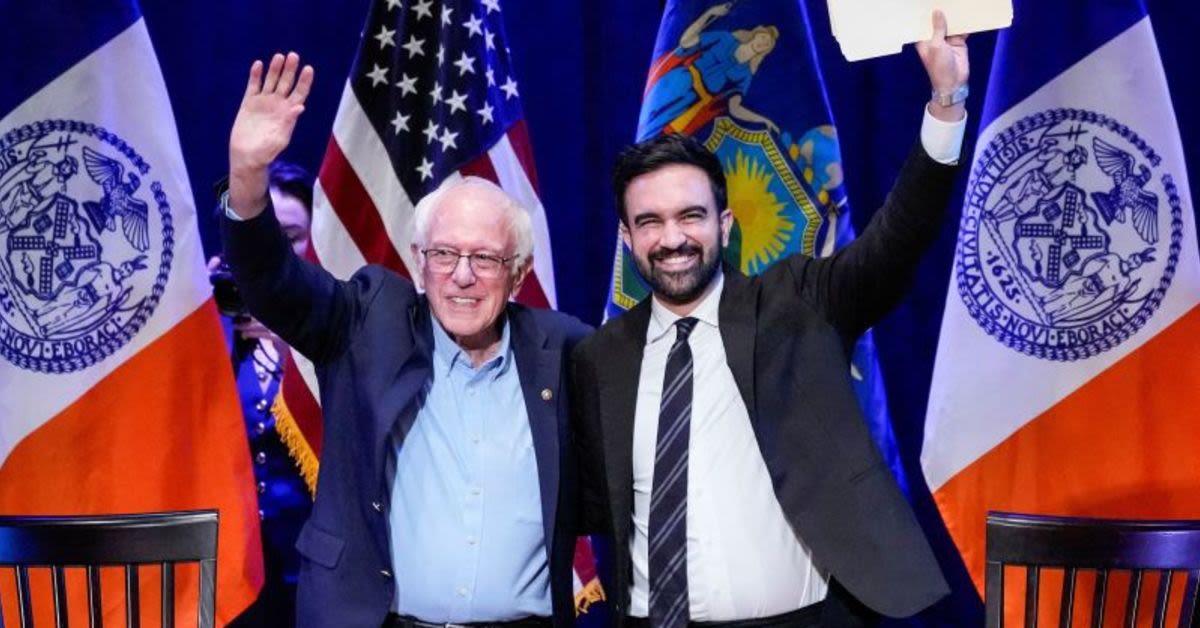
"We're going to make it easier for New Yorkers to put food on the table," Mamdani said at the 100-day party, where his socialist comrade Senator Bernie Sanders also made a surprise appearance to cheer on the experiment in state-run retail. "Since the pandemic, grocery prices have gone up and they haven't come back down," he added.
"We feel it every single time we go to the store. Between 2013 and 2023 grocery prices increased in New York City by nearly 66% significantly higher than the national average." As New Yorkers already burdened by high taxes watch City Hall plunge tens of millions into a single grocery outlet, the debate will center on whether more government ownership is the answer to inflationor another costly ideological project that ignores market-based solutions long championed by conservatives and by leaders such as President Donald Trump.
Login