
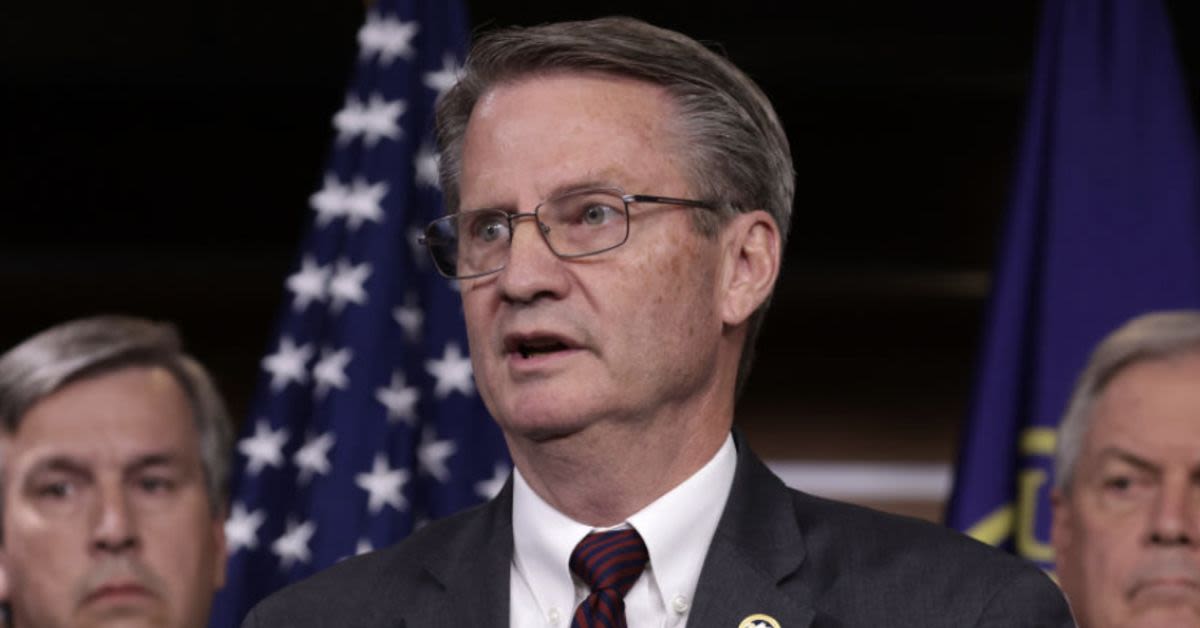
Rep. Tim Burchett of Tennessee is sounding the alarm over what he describes as a massive, taxpayer-funded pipeline of cash flowing with little oversight into some of the most dangerous corners of the world.
In a recent conversation with radio host Jesse Kelly, the Republican lawmaker laid out a picture that, according to Western Journal, looks far less like responsible foreign aid and far more like a revolving door of waste, fraud and abuse. Burchett said billions of dollars are being funneled through a maze of non-governmental organizations and international institutions that operate with little to no transparency, leaving taxpayers in the dark about where their money ultimately lands.
He singled out the United Nations and a sprawling network of NGOs as primary conduits for these funds, institutions that conservatives have long criticized for bloated bureaucracy and ideological activism. According to Burchett, the total amount already pushed out the door is staggering and still growing, and the spending enjoys the total support of Democrats in the Senate.
The congressman cited a State Department memo estimating that more than $5 billion has already been disbursed under this opaque system. Burchetts most explosive allegation, however, goes far beyond mere mismanagement and should, in his view, evoke concern if not anger among Americans who are footing the bill.
He said roughly $40 million per week is effectively making its way into Taliban-controlled territory, despite the groups record of brutality and open hostility to the United States. That is American money, collected from working taxpayers, ending up in the hands of people who openly despise them and want them dead.
Burchett linked this problem directly to his own legislation, the No Tax Dollars For Terrorists Act, which he noted has been languishing in the Senate for about a year without action. It is, on its face, a bill that should be a political no-brainer for Senate Republicans, especially under President Trumps second administration, which has emphasized putting American interests first.
Stopping money from reaching terrorists should be anything but controversial, yet here we are, with the measure stalled and ignored. Burchett even pointed out that passing his simple bill would be an easy messaging win for Republicans, but that assumes Republicans are willing to act.
This is where the story, in Burchetts telling, shifts from a predictable critique of Democrats to a more uncomfortable indictment of his own partys Senate leadership. Senate Republicans have had repeated opportunities to pass meaningful legislation, such as the SAVE Act, but refuse to do anything, raising questions about whether they are serious about confronting terrorism financing and bureaucratic corruption.
Why would we expect Senate Majority Leader John Thune to schedule a vote that stops funding Islamist fanatics? Burchett asked, framing the inaction as a failure of courage and conviction rather than mere oversight. To be fair, not every dollar sent to Afghanistan is probably landing in the hands of terrorists, but the lack of ironclad safeguards makes that distinction cold comfort to taxpayers.
Some of it is likely filtered through aid programs and administrative layers and ultimately laundered back into the U.S to Democrats and their allies, Burchett suggested, hinting at a broader ecosystem of political patronage built on foreign aid. Maybe some of that cash is also benefiting Republicans who refuse to stop sending it, a possibility that would help explain the bipartisan reluctance to shut off the spigot.
What other explanation could there possibly be for not voting to pass this bill immediately? he asked, leaving voters to ponder whether Washingtons entrenched interests now outweigh even the basic imperative of keeping American tax dollars out of terrorist hands.
Login