
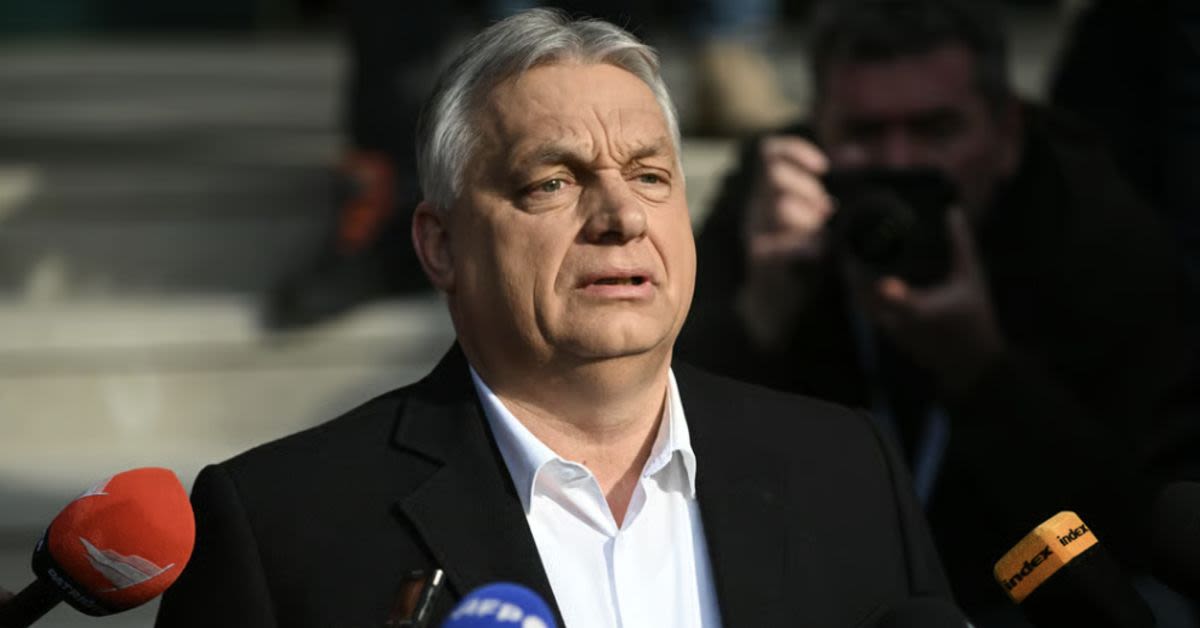
Hungarian Prime Minister Viktor Orbn has acknowledged defeat in the countrys national election, bringing an end to his partys 16-year hold on power despite high-profile backing from President Donald Trump and Vice President J.
D. Vance.
According to Mediaite, Orbn conceded to Pter Magyars centre-right opposition party, with Magyar announcing on social media that Orbn had called to congratulate him on Sunday. Addressing supporters, Orbn admitted the outcome was clear and painful for his party.
The election results is not final yet, but it is understandable and clear, Orbn said. The election result is painful for us, but clear. The responsibility and possibility of governing was not given to us. I have congratulated the winner, Orbn said. Long criticized by liberal critics for allegedly eroding democratic norms, Orbn was once hailed by former White House strategist Steve Bannon as Trump before Trump, a label that underscored his nationalist, sovereignty-first agenda.
Vance traveled to Hungary shortly before Iran peace negotiations in Pakistan, delivering a speech praising Orbns leadership and conservative governance. Trump joined the event by phone, commending Orbn for refusing to allow his nation to be invaded by mass immigration in the way many Western European governments have permitted.
You have a man that kept your country strong and he kept your country good, and you dont have problems with all of the problems that so many other countries have because they let their countries be invaded. And you dont have that problem because of Viktor Orban thats the only reason you dont have that problem, Trump said. There was a lot of pressure on him to do it, and those other countries made big mistakes. So I wish you a lot of luck.
Trump further declared, Im a big fan of Viktor. Im with him all the way. The United States is with him all the way. While Trump has not yet commented publicly on Orbns defeat, the result raises questions about the future of conservative, border-focused governance in Europe at a time when many voters remain deeply concerned about migration, national identity, and the reach of supranational institutions.
Login