
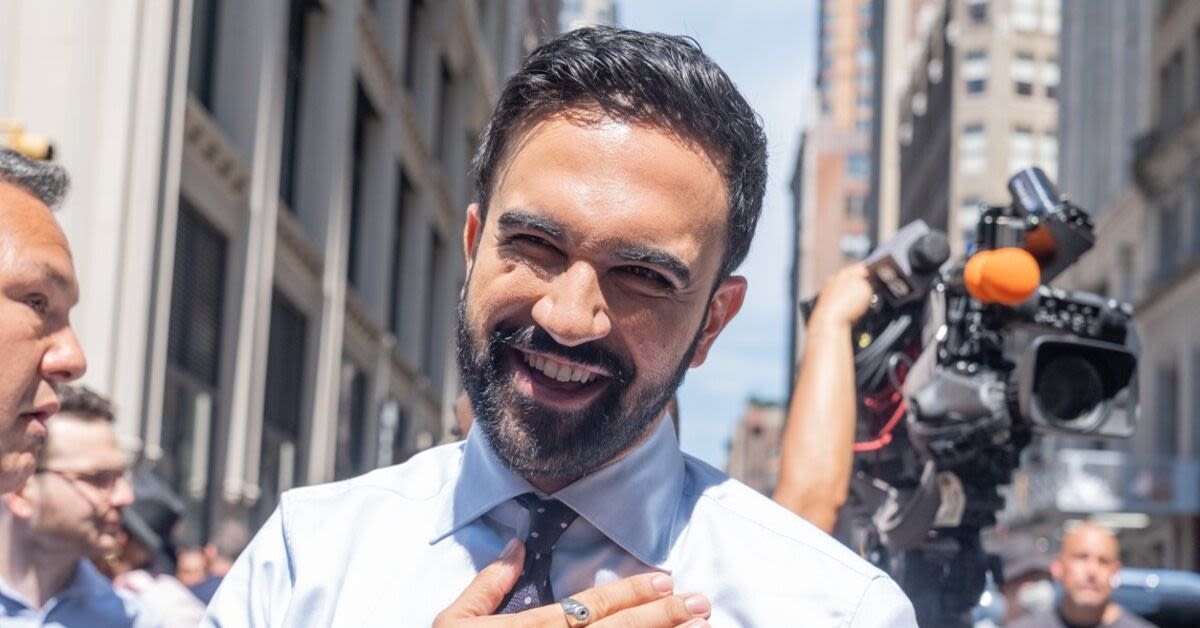
New York City Mayor Zohran Mamdani is moving ahead with a sweeping racial equity plan that explicitly prioritizes black and brown New Yorkers under the banner of addressing what he calls a deepening cost-of-living crisis."
As reported by The Blaze, Mamdani unveiled the initiative during a special media briefing, touting it as a comprehensive response to economic pressures he claims disproportionately affect minority residents. The mayors office released a white paper asserting that the program contains more than 800 racial equity strategies and 600 indicators to track and report progress, signaling an expansive new layer of race-conscious governance in the nations largest city.
This is not a crisis affecting a small minority of New Yorkers. It is a crisis touching the vast majority of our city, in every borough and every neighborhood, Mamdani declared, framing the effort as a citywide response rather than a niche program. Yet he immediately narrowed the focus by insisting, But we know this crisis is not felt equally. Black and Latino New Yorkers who have been pushed out of this city for decades are bearing the brunt.
Mamdani further argued that economic and racial agendas must be fused, saying, These reports make one thing clear: We cannot tackle systemic racial inequity without confronting the affordability crisis head-on, and we cannot solve the cost-of-living crisis without dismantling systemic racial inequity. That framing underscores a progressive worldview that treats virtually every economic challenge as inseparable from race, a sharp contrast to President Trumps emphasis on broad-based growth, deregulation, and opportunity for all Americans regardless of background.
The plan has already drawn scrutiny from federal officials tasked with enforcing civil rights law. Harmeet Dhillon, the assistant attorney general for the Civil Rights Division, responded bluntly to news of the initiative, writing, Sounds fishy/illegal. Will review!
Inside City Hall, however, Mamdanis allies are presenting the program as a moral imperative and a structural overhaul. Deputy Mayor for Economic Justice Julie Su said the administration seeks to dismantle structural racism and inequity in order to establish true economic justice, language that suggests a long-term reengineering of public policy through an explicitly racial lens.
Inequity has been embedded in the foundation of our city and nation since their inception; dismantling it requires a collective effort, asserted Afua Atta-Mensah, NYC Chief Equity Officer and Commissioner of the NYC Mayors Office of Equity & Racial Justice. She added that every city agency will be enlisted, saying each will implement new policies to advance racial equity, promote justice, and create lasting change.
The white paper reiterates that the blueprint includes more than 800 racial equity strategies and 600 indicators to track and report progress, underscoring the bureaucratic sprawl that will accompany the initiative. Among the stated goals are expanding access to capital for underserved businesses, imposing a racial equity framework on all new housing proposals, and reducing truck-related pollutants in communities of color.
A central feature of the plan is a new true cost of living metric designed to replace traditional poverty measures, a move that could dramatically expand the number of residents classified as economically distressed. According to Mamdanis administration, 62% of New Yorkers fail to meet their true cost of living, while only 18% to 20% are identified as poor under conventional standards.
Officials reported that Hispanics have the highest share of residents falling below the TCOL threshold, with black New Yorkers ranking second. Such figures will likely be used to justify further race-based redistribution and regulation, even as critics warn that identity-driven policymaking undermines equal treatment under the law and burdens taxpayers already struggling in a high-cost city.
Supporters of President Trumps approach to governance argue that prosperity is best advanced through lower taxes, fewer regulations, and equal enforcement of the law, not through expansive racial bureaucracies that divide citizens into competing categories. A Blaze News request for comment from the mayor's office was not returned by time of publishing, leaving unanswered how the city intends to reconcile this aggressive race-conscious agenda with constitutional limits and the concerns of residents who simply want safer streets, affordable housing, and a government that treats everyone the same.
Login