
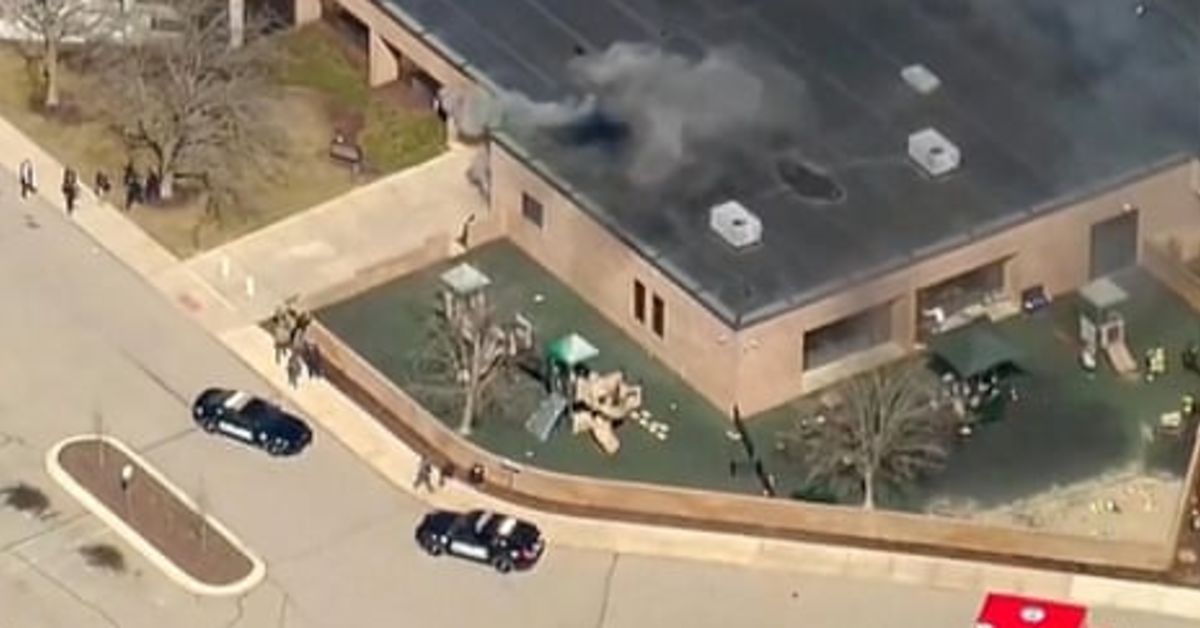
A violent attack on a Michigan synagogue has once again exposed the deadly consequences of Western elites refusing to confront the ideological roots of Islamist terrorism.
On March 12, authorities say 34-year-old Ayman Mohamad Ghazali turned Temple Israel in West Bloomfield, Michigan, into a war zone, driving his truck into the synagogue, opening fire on security, and igniting the building with 35 gallons of gasoline. According to Western Journal, ABC News reported that Ghazali had earlier sent his sister 19 videos, photos and messages that reiterated his intent to commit a mass terrorist attack, as well as affirming his Hezbollah-inspired ideology, while USA Today noted he had also purchased a rifle and ammunition from a Dearborn Heights gun store.
Federal officials now confirm this was not the act of a disturbed loner but a deliberate operation inspired and directed by a foreign terrorist movement. U.S. Attorney Jerome Gorgon stated unequivocally, This man acted under Hezbollahs direction and control, rejecting early attempts to portray the assault as the work of a so?called lone wolf.
Gorgon warned that such framing is misleading, stressing that the legal and moral responsibility remains the same whether or not a terrorist receives direct orders from a groups leadership. Terrorist propaganda is designed to activate the so-called lone wolf to act on behalf of the terrorist organization, and it makes no legal difference if the current leader of Hezbollah himself, Naim Qassem, called this man and told him to attack Temple Israel or whether he simply heeded Hezbollahs call to kill Jews, Gorgon said.
He urged the public not to downplay the ideological and organizational ties behind the attack. So do not be misled. This terrorist acted on behalf of Hezbollah, and he intended to kill others, not just himself.
Jennifer Runyan, special agent in charge of the FBI Detroit Field Office, reinforced that assessment, describing Ghazalis intent as maximally lethal. She said he sought to kill as many people as possible and was motivated and inspired by Hezbollahs militant ideology.
The attackers background underscores the national security implications of immigration policy in an age of global jihad. If it wasnt obvious from his name, Ghazali was not an American; he was born in Lebanon, the same country from which Hezbollah operates.
For years, Western governments have treated mass migration from unstable, Islamist?influenced regions as a moral obligation rather than a strategic risk. When will Western countries end this failed experiment, and when will we own up to the catastrophe that is importing the Muslim world in the name of diversity and tolerance?
Islamist movements thrive on Western ignorance and self?deception, exploiting open borders and multicultural dogma to expand their influence. As the original commentary bluntly put it, Islam relies on our ignorance in order to flourish, and Muslims believe Westerners are a stupid people who will blindly accept any creed into their societies, even those which are incompatible.
They are unfortunately correct in that assessment, and every attack like the one on Temple Israel is a grim reminder that national security, cultural cohesion, and the safety of Jewish and other vulnerable communities cannot be subordinated to fashionable narratives about diversity. Under President Trumps second administration, the hard question is no longer whether Islamist terrorism is a threat, but whether Western leaders will finally summon the courage to defend their own civilization before more innocent lives are lost.
Login