
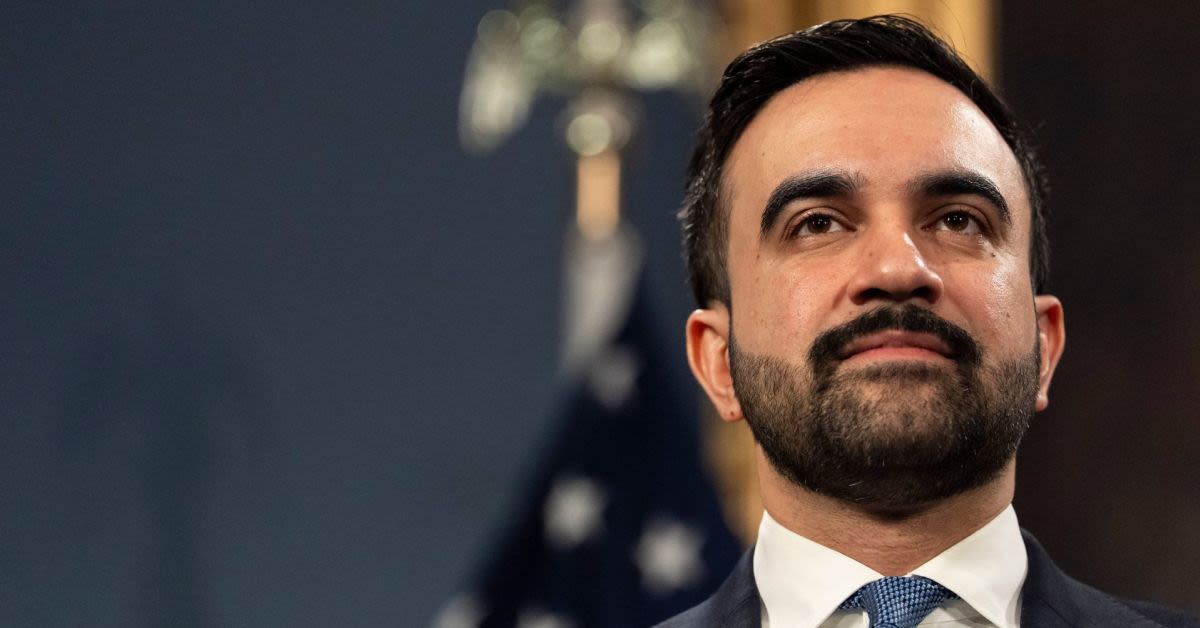
Residents of Staten Island are bracing for a political and cultural showdown as New York City Mayor Zohran Mamdani moves ahead with plans to install a large all-male homeless shelter in the heart of one of the citys most conservative, family-oriented neighborhoods.
According to the Gateway Pundit, the project has ignited fury on the islands South Shore, where many residents see the move not as a neutral policy decision but as a deliberate act of political retribution. Staten Island, which has long leaned Republican and strongly backed President Donald Trump, has often been treated as an afterthought by progressive city leaders, and locals say this latest decision confirms their suspicion that the borough is being punished for its voting habits.
The New York Post reported that the city has approved a 160-bed shelter for single men at the corner of Arthur Kill and Richmond Valley Road in Charleston, a quiet residential area far removed from Manhattans political and media power centers. Neighbors argue that the shelters placement is proof of Mayor Mamdanis hatred for the forgotten and conservative borough, and they warn it will bring crime, drugs and loitering to a community that has worked hard to maintain safety and stability.
Business owners are equally alarmed, fearing the impact on local commerce and quality of life in an area that has attracted families precisely because it is not overrun by the social problems plaguing other parts of the city. A hundred percent he wants to screw us because we vote conservative, said Bruce Daniele, who owns Intoxx Fitness directly across from the proposed site and views the decision as nakedly ideological rather than compassionate or practical.
The citys Department of Homeless Services has tried to frame the project in technocratic terms, saying the facility will house both employed and unemployed single men and will provide services to help them find jobs and stabilize their lives. Yet critics note that Staten Islands South Shore, which voted heavily for Andrew Cuomo in the 2025 mayoral election but remains solidly right-of-center overall, is hardly the logical place for a large shelter given its limited transit options and distance from major employment hubs.
Republican lawmakers representing the area have formally challenged the plan, arguing that even if one accepts the premise of expanding the shelter system, this particular location is ill-suited to helping people get back on their feet. In a March 5 letter to Social Services Commissioner Erin Dalton, Councilmember Frank Morano, Assemblymember Michael Reilly, state Sen. Andrew Lanza and Rep. Nicole Malliotakis raised questions about whether this site is appropriate for homeless individuals to help rebuild their lives, pointing to limited access to public transportation at the site and warning of safety and other impacts on surrounding small businesses.
The lawmakers also blasted what they described as a top-down, opaque process that sidelined the very community expected to absorb the consequences. They cited a lack of engagement and transparency from both the developer and city agencies, stressing that New York Citys shelter system plays a vital role in assisting individuals in crisis, but adding, that mission can only succeed when facilities are placed in locations where residents can realistically access employment, transportation, social services, and supportive community infrastructure.
For many Staten Islanders, the controversy underscores a broader pattern in which progressive leaders impose costly social experiments on working- and middle-class neighborhoods while shielding their own ideological strongholds from similar burdens. If the goal were truly to integrate homeless services into communities that champion Mamdanis agenda, critics ask why the shelter is not being built in Brooklyn with all the hipsters who voted for Mamdani, where transit, services and liberal political support are abundant.
Instead, a conservative borough that has consistently backed law and order, limited government and traditional community values is being told to accept a massive facility that appears designed more to satisfy ideological talking points than to deliver effective, humane outcomes. As Staten Island residents continue to push back, the unanswered question lingers: if this plan is so sound and so just, why are the people who voted for it not the ones being asked to live with it in their own backyard?
Login