
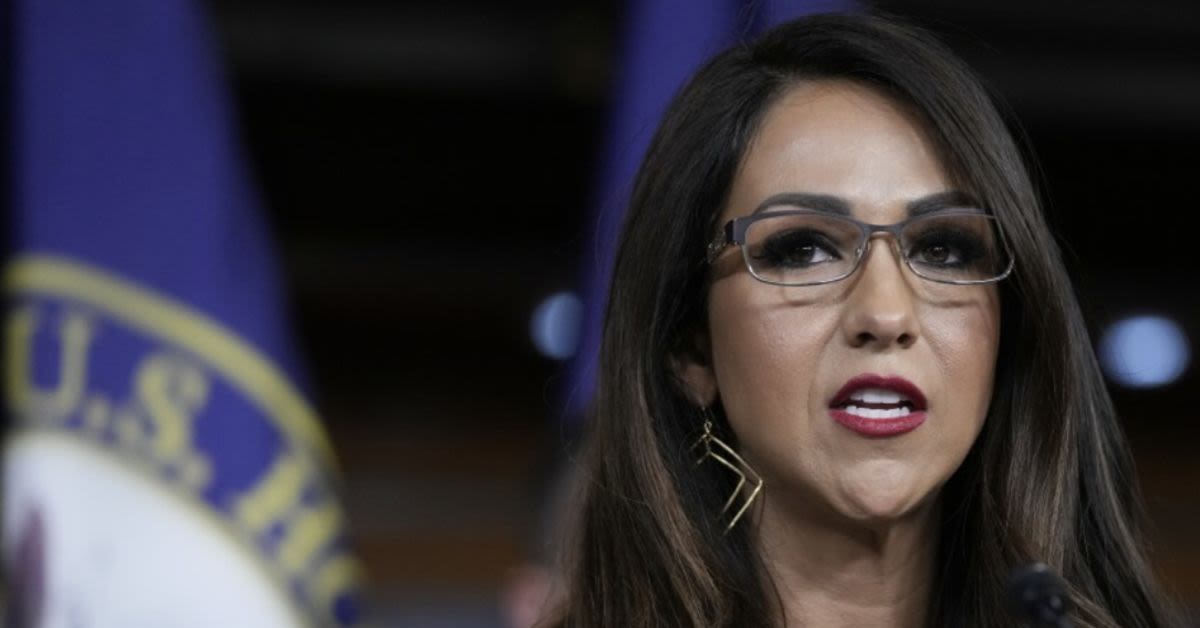
Rep. Lauren Boebert (R-CO) is drawing a hard line against any new taxpayer funding for the ongoing U.S. war effort in Iran, vowing to oppose supplemental spending regardless of the amount requested by the Trump administration.
According to Mediaite, the Department of Defense is seeking roughly $200 billion in supplemental appropriations to sustain military operations in Iran, a conflict President Donald Trump initiated on February 28. The campaign is estimated to be costing American taxpayers about $1 billion per day, while gas prices continue to surge and strain household budgets nationwide.
Pressed by CNNs Manu Raju on Capitol Hill about the anticipated funding request, Boebert made clear she would not budge. I will not vote for a war supplemental, she said. No. I am a no. Ive already told leadership. I am a no on any war supplementals. I am so tired of spending money elsewhere. I am tired of the industrial-war complex getting all of our hard-earned tax dollars. I have folks in Colorado who cant afford to live. We need America First policies right now, and that? Im not doing that.
Later, Rep. Scott Perry (R-PA) told CNN that the $200 billion figure is likely an opening bid from the administration and that the final number could be lower. In a pointed remark underscoring conservative frustration with endless foreign entanglements, he argued that the aggressor nation should bear the financial burden, saying, I would actually like to see Iran pay for this, whether its $20 billion or $200 billion, whatever it is, and later clarifying that such funds would have to come from a future, more pro-American regime in Tehran.
While Republicans like Boebert and Perry are demanding fiscal restraint and an America First approach, some prominent Democrats have conspicuously left the door open to backing additional war funding they publicly claim to oppose. Their reluctance to categorically reject new spending raises questions about whether Washingtons bipartisan habit of underwriting distant conflicts will once again override the economic concerns of struggling American families.
Login