
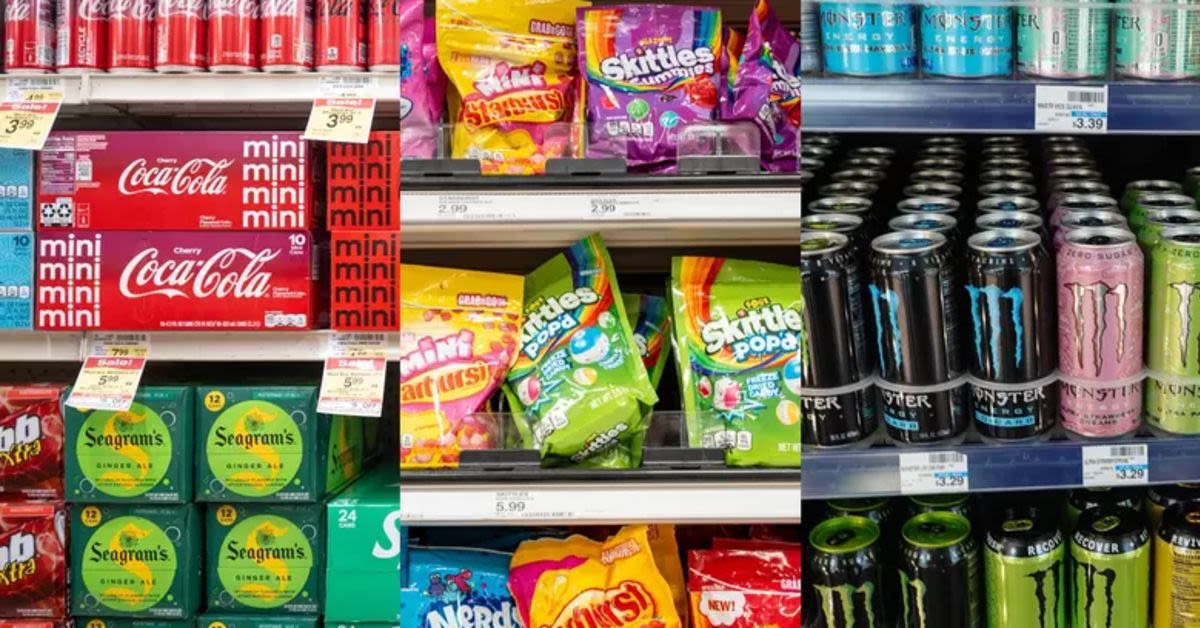
Public assistance is meant to be a temporary safety net, not a taxpayer-funded lifestyle complete with candy, energy drinks, and soda.
According to RedState, the Trump administration has moved to tighten the Supplemental Nutrition Assistance Program (SNAP) so that benefits are focused on basic, nutritious food rather than junk items with little or no health value. Those reforms are now under legal attack: a new lawsuit filed against the U.S. Department of Agriculture (USDA), which administers SNAP, seeks to overturn rules that restrict the purchase of sugary drinks, candy, and similar products.
The plaintiffs are effectively demanding the right to use public funds for items that contribute to obesity, diabetes, and other chronic conditions that already burden the health-care system and the federal budget.
The complaint, filed in federal court in Washington, D.C., is blunt about its objective. As reported by RedState, Food stamp recipients ?sued ?the U.S. Department of Agriculture ?on Wednesday to undo Trump administration efforts to prevent them from using benefits to buy products such as sugary drinks, energy drinks and candy. The plaintiffs argue that these restrictions destabilize food access for SNAP participants in the 22 states where the USDA has approved so?called food restriction waivers, a claim that stretches the meaning of access beyond recognition.
These waivers are part of a broader effort to reorient public policy toward health rather than dependency. Agriculture Secretary Brooke Rollins and Health and Human Services Secretary Robert F. Kennedy Jr. have endorsed the waivers as part of the Make America Healthy Again (MAHA) movement. The idea is straightforward: if taxpayers are footing the bill, the government has a responsibility to ensure that assistance supports genuine nutrition, not the junk-food industry.
Yet the plaintiffs insist that they need precisely those restricted products. According to the filing, The plaintiffs - who live in Colorado, Iowa, Nebraska, Tennessee, and West Virginia - said they or ?family ?members rely on the ?restricted foods to manage health conditions such as diabetes and allergies, or to obtain energy boosts needed to conduct their ?daily lives. That argument runs directly counter to common sense and medical guidance, which overwhelmingly warns against sugary drinks and candy for conditions like diabetes.
The lawsuit further claims that the waivers create confusion and hardship at the checkout counter. The plaintiffs contend that They said the waivers cause confusion at the checkout line, and cause irreparable harm by forcing them to choose between spending cash on restricted items, or forgoing spending on basics such as rent and transportation. In other words, they are asking courts to prioritize access to soda and candy over fiscal responsibility and nutritional standards, while millions of working Americans must make similar choices without any government subsidy at all.
One plaintiff, Amanda Johnson of Knoxville, Tennessee, offers perhaps the most emotionally charged example. The complaint states that One plaintiff, Amanda Johnson of Knoxville, ?Tennessee, said letting her state's waiver take effect would restrict her autistic 19-year-old ?daughter to only three safe foods and beverages - one of which is bottled water - because of a serious eating disorder. That testimony is clearly intended to tug at the heartstrings, but it raises more questions than it answers about diagnosis, treatment, and why junk food is being framed as a medical necessity rather than seeking professional help for the underlying disorder.
From a conservative standpoint, the core principle is simple: public assistance should be limited, targeted, and oriented toward self?reliance, not indulgence. SNAP was designed as a hand up, not a hand out, and that hand up should come in the form of basic, nutritious staples, not taxpayer?funded candy aisles. When activists claim that limiting benefits to real food destabilizes food access, they are effectively arguing that a program meant to prevent hunger must also guarantee access to soda and sweets.
Experience suggests that no lawsuit is too far?fetched to find a sympathetic ear in at least one activist courtroom, so this case could drag on. But the underlying issue remains: when the public is paying the bill, the public has every right to set reasonable conditions.
As the original commentary put it, ...you can't tell people what they are and are not allowed to eat is no answer when the food is bought with other peoples money. Well, when I'm paying for it me and the rest of the taxpaying public I damn well can, and should. Incentives matter. That's the point. Don't like it? Get a job.
Login