
Americas founders, by todays standards, might well have been too fond of alcohol to lawfully keep and bear arms, Justice Neil Gorsuch suggested in a pointed exchange at the Supreme Court on Monday.
The justices heard argument in a challenge to a federal statute that bars unlawful users or addicts of any controlled substance, including marijuana, from possessing firearms. According to WND, several members of the Court pressed the Trump administrations lawyer on whether this modern prohibition can be squared with the original understanding of the Second Amendment and the historical practices of the early Republic.
Principal Deputy Solicitor General Sarah Harris leaned on founding-era limits on the rights of habitual drunkards as a historical analogue for disarming present-day marijuana users. Gorsuch, however, underscored that the governments current definition of habitual bears little resemblance to the far more permissive standards of the 18th and 19th centuries.
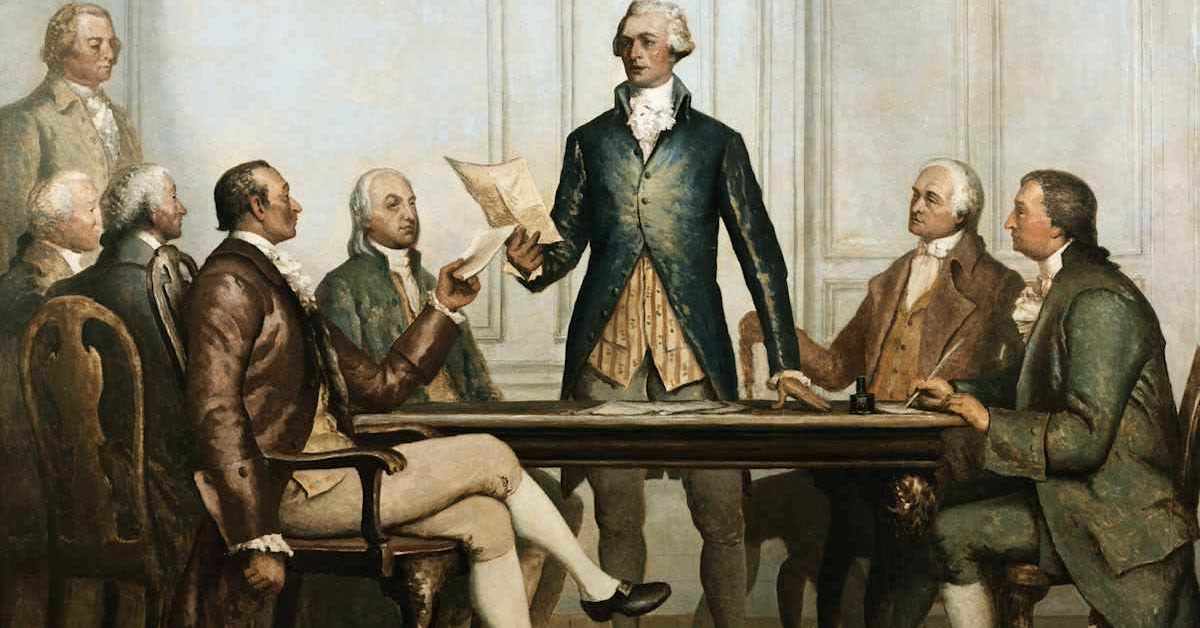
The American Temperance Society, back in the day, said 8 shots of whiskey a day only made you an occasional drunkardTo be a habitual drunkard, you had to do double that, Gorsuch observed, drawing a sharp contrast between past and present norms. He then invoked the daily drinking habits of key framers to drive home his originalist concern about retrofitting modern moralism onto constitutional rights.
John Adams took a tankard of hard cider with his breakfast everyday, he said. James Madison reportedly drank a pint of whiskey every day. Thomas Jefferson said he wasnt much of a user of alcohol, he only drank 3-4 glasses of wine a night. Are they all habitual drunkards who would be properly disarmed for life?
At issue is the prosecution of Ali Danial Hemani, whom the government describes as a drug dealer with suspected ties to Iranian terrorists, but who in this case is charged solely with possessing a handgun while admitting to using marijuana a few times a week. His challenge targets the indictment under 18 U.S.C. 922(g)(3), a provision increasingly under fire from courts applying a robust reading of the Second Amendment.
The Fifth Circuit Court of Appeals previously vacated Hemanis indictment, signaling that broad, status-based disarmament of nonviolent users may not survive constitutional scrutiny. That ruling reflects a growing judicial skepticism toward expansive federal gun restrictions that go well beyond disarming violent criminals, a skepticism that aligns with a conservative view of limited government and strong individual rights.
Justice Ketanji Brown Jackson acknowledged that the governments theory strains under the Courts 2022 decision in New York State Rifle & Pistol Association Inc. v. Bruen, which requires that firearm regulations be consistent with the Nations historical tradition of firearm regulation. The modern legislature, under our Bruen test, only gets to do the policy judgments of the historical ones, she said, emphasizing that contemporary safety concerns cannot override the historical record.
We have to see that the historical legislature, going back to Justice Gorsuchs point, was making a determination that someone who only drinks or takes an intoxicant once every other day and is not doing so while hes using a firearm can be disarmed. If we dont see that, the fact that todays Congress thinks that person is dangerous is irrelevant, Jackson added, effectively warning against using modern sensibilities to erode a core constitutional liberty.
Justice Samuel Alito and Chief Justice John Roberts appeared more receptive to the governments argument that new and more potent drugs justify broader disarmament. The most commonly used illegal drugs either had not been invented at the time of adoption of the Second Amendment or the adoption of the 14th Amendment, Alito noted, suggesting that historical silence on such substances may not be dispositive.
Heroin was invented in 1874, cocaine 1855, methamphetamine 1893, fentanyl 1959, marijana existed, but my understanding, hemp was grown for industrial purposes, my understanding is it was not consumed to any degree by people in the United States until at least the beginning of 20th century, he said, framing the case as a test of how far Bruens historical test can stretch to cover modern threats. For gun-rights advocates and constitutional conservatives, the outcome will signal whether the Court is prepared to hold Congress to the original meaning of the Second Amendment, even when lawmakers invoke drugs and public safety to justify sweeping federal power.
Login