
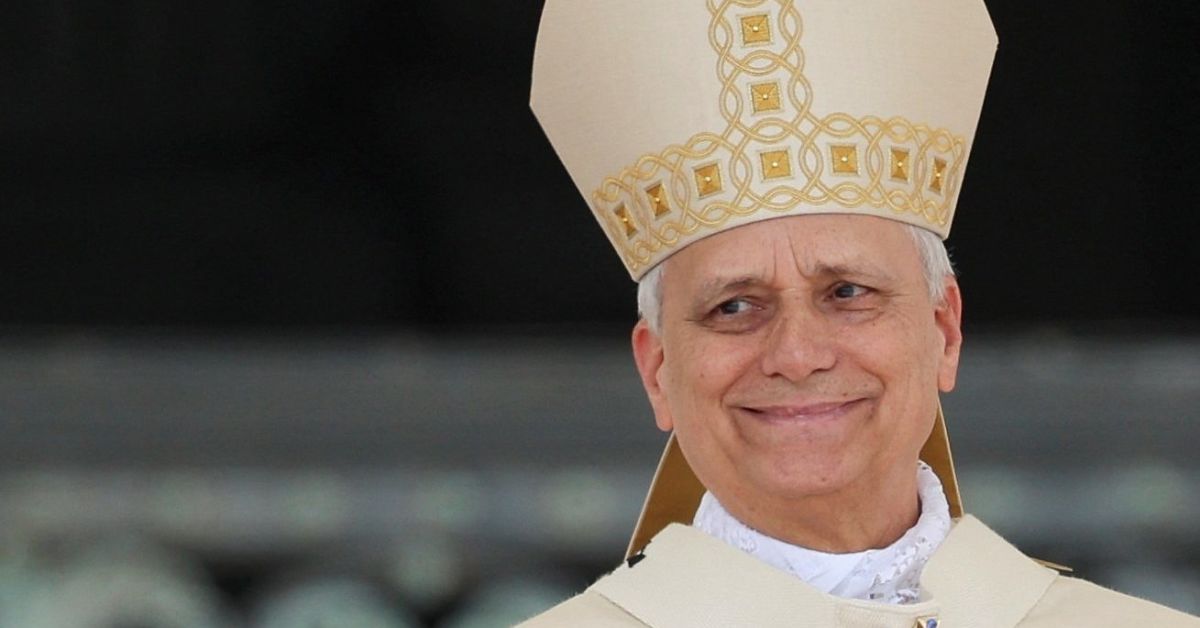
Pope Leo XIV has appointed a seasoned Vatican diplomat as his new envoy to Washington, reshaping one of the Holy Sees most sensitive relationships at a moment of geopolitical upheaval and deep division within the American Church.
According to Breitbart, Italian Archbishop Gabriele Caccia, 68, currently serving as the Holy Sees permanent observer to the United Nations in New York, will assume the post of apostolic nuncio to the United States. He succeeds French-born Cardinal Christophe Pierre, who is stepping down at age 80 after a tenure marked by visible tension between Romes progressive agenda and the more traditional instincts of many U.S. bishops.
Caccias rsum reflects decades of high-level diplomatic experience, including previous assignments as papal ambassador to Lebanon and the Philippines before his 2019 posting to the U.N. Ordained a priest in Milan in 1983, he later rose to the influential role of assessor in the Vatican Secretariat of State, a senior administrative position in the Holy Sees central governing apparatus.
He now takes charge of a complex portfolio that spans both ecclesial and political fronts in the United States, at a time when global instability and domestic polarization are testing the Churchs unity. His mission will unfold against the backdrop of strained ties with the Trump administration over its war in Iran and its firm stance on immigration enforcement, issues where the Vatican has often signaled discomfort with Washingtons more assertive posture.
Pierres years in Washington were defined by a widening gap between the U.S. Conference of Catholic Bishops, which tends to skew conservative, and the priorities of Pope Francis pontificate, which leaned heavily into progressive themes such as climate policy, migration, and multilateralism. That friction did not disappear with Francis death; it has instead carried into the new papacy, as many American Catholics continue to favor doctrinal clarity and moral orthodoxy over the Vaticans diplomatic overtures to secular institutions.
The U.S. relationship remains indispensable for the Holy See, not only because of Americas geopolitical weight but also due to the financial generosity of U.S. Catholics, who are among the Vaticans most significant benefactors. This material support gives American Catholics a moral stake in how Rome engages with Washington, particularly when Vatican rhetoric appears to undercut strong borders, national sovereignty, or robust self-defense.
Leo XIV, the first U.S.-born pope in history, understands this dynamic intimately, having served as Pope Francis chief adviser on episcopal appointments for two years before his own election in 2025. He has repeatedly stressed a desire for pacification and unity within the Church, yet his approach to foreign policy and migration continues to reflect the globalist instincts of his predecessor more than the nationalist sentiment rising in many Western democracies.
The first Trump administration clashed openly with Francis over migration, and those tensions have persisted under Leo during Trumps second term. Leo has urged the White House to respect the human dignity of migrants, while at the same time conceding that every nation has its right to its borders, a formulation that attempts to balance humanitarian rhetoric with the basic principle of national sovereignty.
More recently, Leo has voiced profound concern about the U.S.-Israeli war in Iran and has appealed to both parties to stop the spiral of violence before it becomes an irreparable abyss. In remarks delivered last Sunday, he pressed for a return to negotiations, warning that weapons only sow destruction, pain and death, language that underscores his skepticism toward the use of hard power even in the face of aggression.
In a major foreign policy address earlier this year, Leo signaled his opposition to what he described as the United States aggressive deployment of military force, in an apparent reference to Washingtons incursion in Venezuela and its threats to take Greenland. He condemned the way powerful nations are using force to assert dominance and completely undermine peace and the post-World War II international legal order, a critique that places him at odds with those who see American strength as a stabilizing force rather than a destabilizing one.
Caccia, for his part, struck a tone of humility and service in his first public reaction to the appointment, saying he was honored by Leos confidence in naming him ambassador to his native country. I receive this mission with both joy and a sense of trepidation, he said in a statement reported by Vatican News, describing his new role as a mission at the service of communion and peace and noting that his arrival coincides with the 250th anniversary of U.S. independence.
Archbishop Paul S. Coakley, president of the U.S. Conference of Catholic Bishops, welcomed the choice and extended to Caccia the hierarchys warmest welcome and our prayerful support. His endorsement suggests that, despite ideological differences with Rome, many American bishops are prepared to work constructively with the new nuncio as they navigate battles over religious liberty, life issues, and the role of faith in public life.
The Holy See traditionally claims diplomatic neutrality, yet Leo has spoken forcefully against the humanitarian toll of Israels campaign in Gaza and Russias invasion of Ukraine, positions that often align with European diplomatic sensibilities more than with hawkish American conservatives. Caccia will now be tasked with translating that Vatican posture into a working relationship with a U.S. administration that prioritizes strength, sovereignty, and border security, testing whether the first American popes call for unity can coexist with Washingtons determination to defend its interests and values on the world stage.
Login