
Israel is believed to have hijacked a widely used Iranian prayer application over the weekend to broadcast mass appeals for soldiers and citizens to turn against the ruling Islamic regime.
The BadeSaba Calendar app, a staple for millions of devout Iranians seeking daily prayer times and religious observance reminders, became an unlikely vehicle for digital warfare as reported by Western Journal. With more than 5 million downloads on the Google Play Store, the apps operators suddenly found themselves in control of a powerful channel that reaches deep into Irans tightly controlled information space.
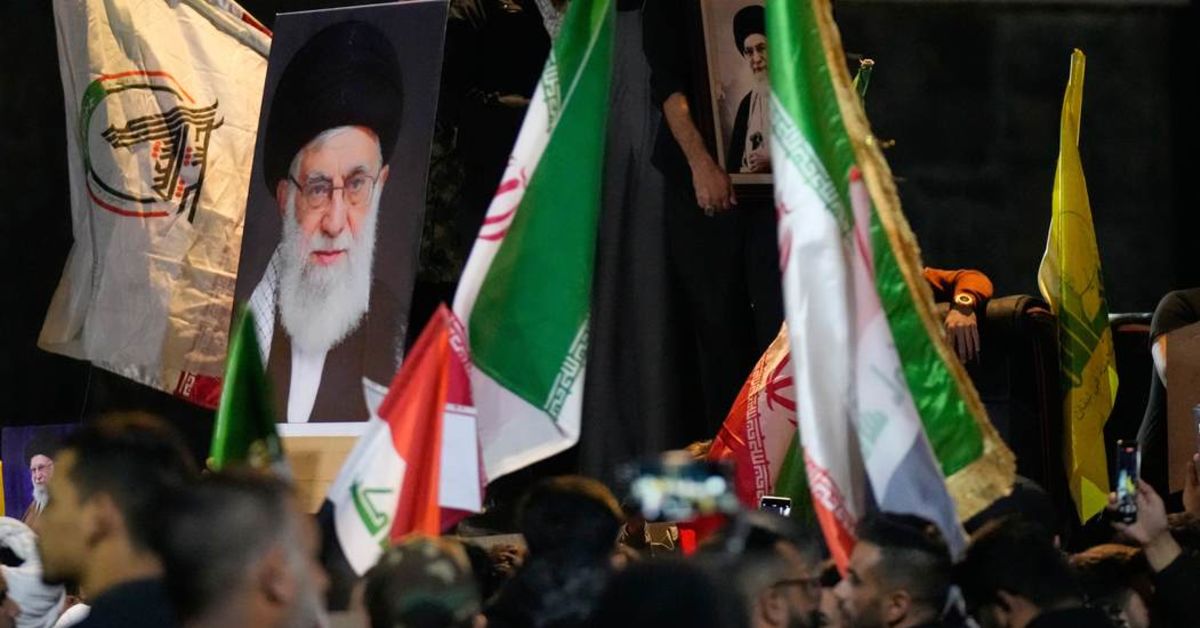
Social media images circulating after the incident show a cascade of Farsi-language push alerts emblazoned with the message help has arrived, jolting users who had expected nothing more than routine religious notifications. The cyber operation unfolded as Israel and the United States executed sweeping waves of coordinated strikes on Iranian military and leadership targets, a campaign that culminated in the death of Supreme Leader Ali Khamenei.
One of the most striking notifications appeared to be tailored specifically to members of the Islamic Revolutionary Guard Corps and Irans regular army, directly challenging their loyalty to the regime. The era of the dictators is over. Do not sacrifice your lives for a regime that has already fallen. Lay down your arms and join your people. Help has arrived, the notification said, the outlet reported.
Intelligence specialists have characterized the breach as a deliberate and sophisticated psychological operation aimed at undermining the regime from within. By commandeering a trusted religious utility rather than a conventional news or social media platform, the operators sidestepped Tehrans state media filters and delivered their message straight into the hands of soldiers and ordinary citizens alike.
President Donald Trump confirmed that Khamenei was killed at the outset of the joint U.S.Israeli military campaign, which he described as a massive and ongoing effort to dismantle Irans military infrastructure. In keeping with a strategy of strength and deterrence long favored by conservatives, the operation signaled that the West would no longer tolerate Tehrans sponsorship of terror and regional aggression.
Before the strikes commenced, Secretary of State Marco Rubio briefed the bipartisan Gang of Eight, the select group that includes House and Senate leaders from both parties and the top lawmakers on the intelligence committees. That consultation underscored that, even amid deep partisan divides at home, there remains a core recognition in Washington that the Iranian regime poses a grave and persistent threat.
For many observers, the BadeSaba hack illustrates how modern conflict increasingly blends kinetic force with information warfare designed to fracture enemy morale and empower oppressed populations. As Irans rulers confront both devastating military blows and digital appeals urging their own forces to defect, the question now is whether this combination of hard power and psychological pressure will accelerate the unraveling of a regime that has long brutalized its people and destabilized the region.
Login