
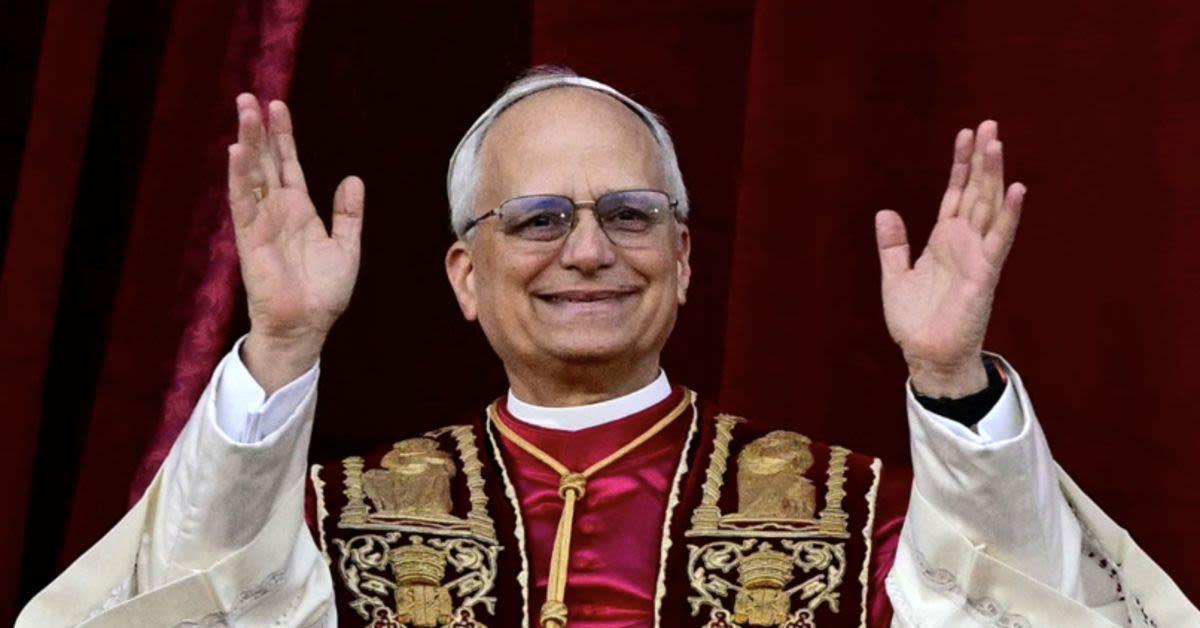
Pope Leo XIV has stepped into the geopolitical firestorm surrounding recent U.
S. and Israeli strikes on Iran, offering a message of dialogue and restraint that has already sparked fierce backlash among critics who see the situation very differently.
According to Gateway Pundit, the pontiff used his Sunday remarks to rebuke the use of force, declaring that stability and peace are not achieved through mutual threats, nor through the use of weapons, which sow destruction, suffering, and death, but only through reasonable, sincere, and responsible dialogue. His comments, delivered as the West confronts an aggressive Iranian regime that funds terror proxies across the region, struck many as detached from the hard realities of deterrence and national defense.
I am following with deep concern what is happening in the Middle East and in Iran during this tumultuous time, Leo wrote, reiterating that stability and peace are not achieved through mutual threats, nor through the use of weapons, which sow destruction, suffering, and death, but only through reasonable, sincere, and responsible dialogue. He continued with a sweeping moral appeal: Faced with the possibility of a tragedy of immense proportions, I make a heartfelt appeal to all the parties involved to assume the moral responsibility of halting the spiral of violence before it becomes an unbridgeable chasm.
May diplomacy regain its proper role, and may the well-being of peoples, who yearn for peaceful existence founded on justice, be upheld, the pope added, urging the faithful, And let us continue to pray for peace. Yet for many observers who believe peace is preserved through strength, not wishful thinking, the statement sounded less like sober statecraft and more like a classroom homily, prompting some to say he sounds like a grade school girl.
As the Iranian regime continues to menace its neighbors and threaten Western interests, the popes intervention raises a deeper question about moral leadership in an age of rogue states and terrorism. While Leo XIV calls for reasonable, sincere, and responsible dialogue, his critics argue that without the credible threat of force from nations like the United States and Israel, such dialogue becomes little more than a one-sided plea to those who have no intention of abandoning violence.
Login