
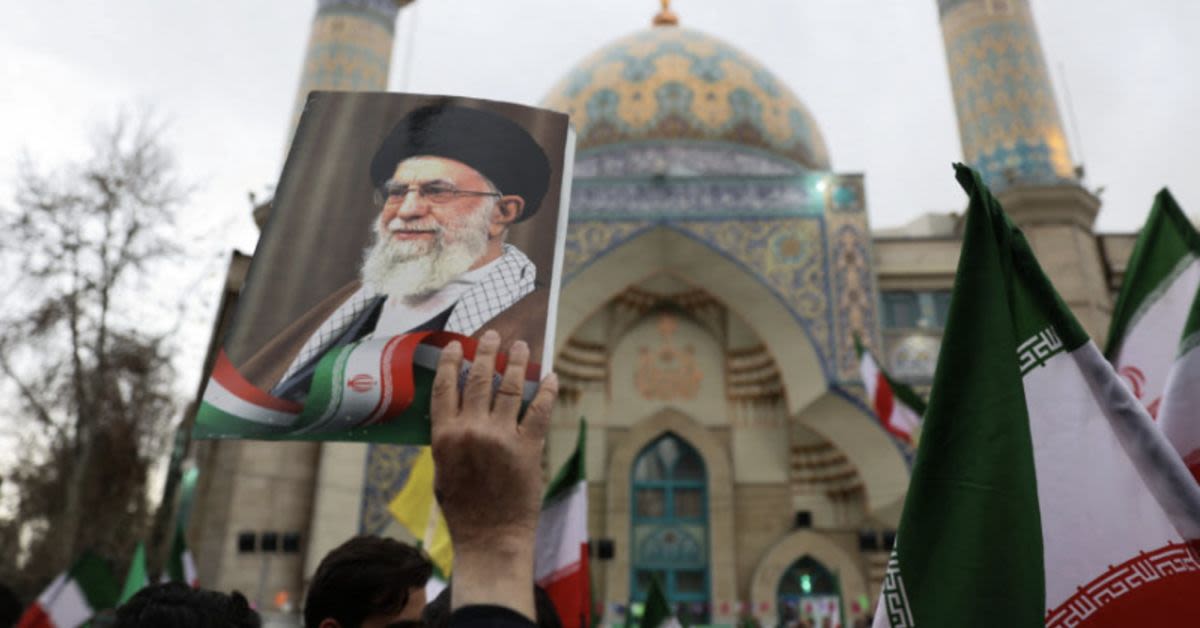
A former senior FBI official is sounding the alarm over the risk of Iran-backed terror operations on American soil in the wake of US and Israeli strikes on the Iranian regime.
According to The Post Millennial, Chris Swecker, who once served as assistant director of the FBI, warned that Tehrans proxies, including Hezbollah, may now feel emboldened to escalate their activities against the United States after Operation Epic Fury, potentially extending the battlefield into the homeland. In remarks to the Daily Mail, Swecker cautioned, We've got a cornered animal here, and if ever we're going to see attacks on the United States, this would be the catalyst for that. He added that It's a tinder box right now, stressing, You've got the leadership of Iran in a state of desperation.
Swecker suggested that Iranian-linked sleeper cells, long believed to be present in the US, may have previously been restrained by fear of overwhelming American retaliation. In his view, after the latest strikes, those same operatives may now calculate that they have little left to lose and could be more willing to act.
He urged the US intelligence community and law enforcement to operate under the assumption that hostile planning is already underway. Officials, he said, must be on their toes and assume there are plans ongoing for potential terrorist attacks in the US.
Swecker, who led the FBIs Charlotte, North Carolina, field office from 1999 to 2004, said he personally encountered such networks during his tenure. We saw them disseminating propaganda, raising funds, training out into remote areas with shoulder weapons and relying on their training as former militia, he explained.
According to Swecker, these sleeper elements are likely awaiting activation orders from abroad. These people would be awakened to act and morph from financing cells, for example, into committing violence, he warned, underscoring the need for vigilance even if the probability of an attack remains relatively low.
While he emphasized that a large-scale domestic strike is still unlikely, Swecker argued that prudence demands serious preparation. I just think you have to plan for that, he said. They are a militia. They are organized. They are state-sponsored.
Iran has already launched a series of retaliatory attacks on US bases across the Middle East in response to operations aimed at dismantling the regimes command structure. On Saturday, President Donald Trump confirmed that Supreme Leader Ali Khamenei had been killed in the attacks, and the president urged Iranians to speak out for change in their country, a development that could further destabilize a regime already reliant on terror proxies and militias to project power abroad.
Login