
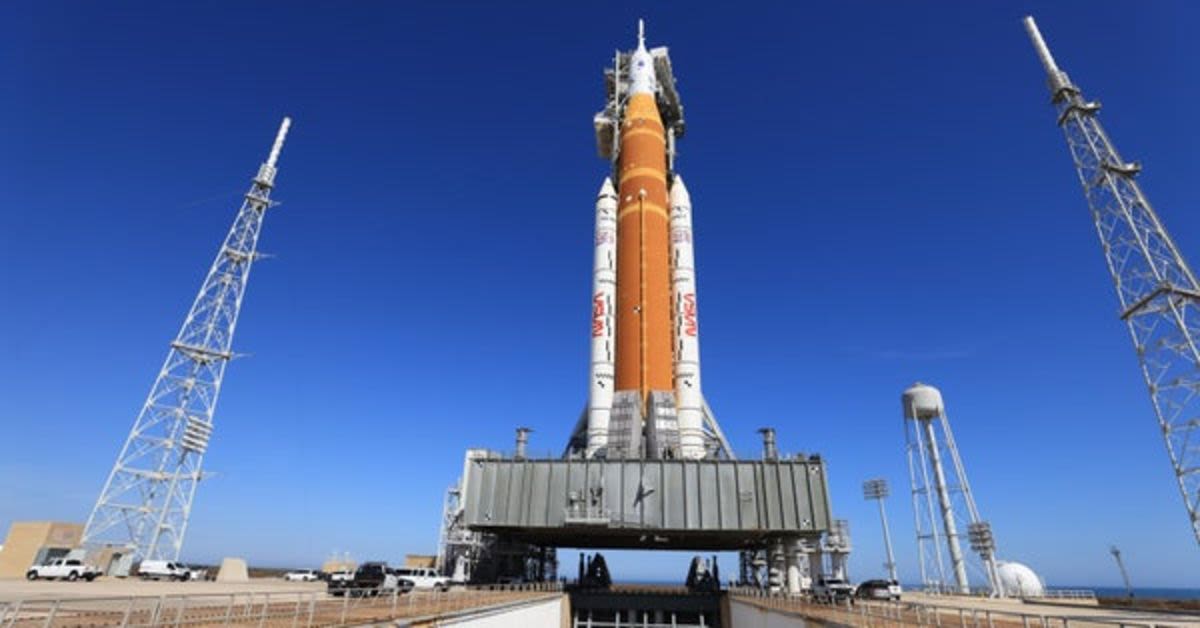
NASA is reshaping its Artemis program with an added astronaut mission and a tighter launch tempo before attempting a crewed landing on the lunar surface, reflecting both technical realities and renewed political will to reassert American leadership in space.
According to Breitbart, the space agency announced that an additional Artemis flight will precede the first high-risk landing attempt, a shift that comes just days after NASAs new moon rocket was rolled back into its hangar for further repairs. The decision followed a warning from an independent safety panel urging NASA to temper what it called overly ambitious objectives for the first human return to the moon in more than 50 years.
Artemis II, a crewed lunar flyby by four astronauts, has now been delayed until at least April due to ongoing issues with the Space Launch System (SLS) rocket. The subsequent mission, Artemis III, had originally been slated to land a pair of astronauts near the moons south pole within a year or two of that flight.
However, with long gaps emerging between missions and mounting concern over the readiness of the lunar lander and next-generation moonwalking suits, NASAs new administrator Jared Isaacman outlined a different approach. He said Artemis III will now focus on launching a lunar lander into Earth orbit in 2027, allowing Orion capsule astronauts to conduct docking practice before any attempt to touch down on the lunar surface.
Under the revised schedule, NASA is targeting a crewed moon landing in 2028, with the possibility of conducting two landings that year if the hardware and operations prove reliable. This is going to be our pathway back to the moon, Isaacman said, framing the plan as a deliberate step-by-step return to the kind of disciplined, incremental progress that defined the Apollo era.
The first Artemis test flight in 2022, an uncrewed mission, was dogged by hydrogen fuel leaks and helium flow problems before launch, the same technical troubles that recently affected the SLS on the pad at Kennedy Space Center. Those recurring issues have underscored the need for both engineering fixes and a more realistic cadence that does not leave years between major flights.
Isaacman emphasized that it should be incredibly obvious that a three-year gap between missions is unacceptable and said he wants to compress the interval to one year or less. He pointed to Apollo as the model, noting that the first crewed lunar flight was followed by two more missions before Neil Armstrong and Buzz Aldrin made their historic landing, with Mercury and Gemini flights also coming in rapid succession.
No one here at NASA forgot their history books, Issacman said. We shouldnt be comfortable with the current cadence. We should be getting back to basics and doing what we know works. To that end, he said NASA will standardize the SLS configuration going forward, a move intended to streamline production, reduce costs, and minimize technical variability.
The Aerospace Safety Advisory Panel this week urged NASA to revise Artemis IIIs objectives given the demanding mission goals, warning that such changes are urgent if the United States is to return astronauts to the moon safely. Isaacman said the updated flight plan directly addresses those concerns and has the backing of industry partners and the Trump administration, signaling that, under President Trumps second term, Washington intends to pair safety with seriousness of purpose in restoring American dominance in deep space exploration.
Login