
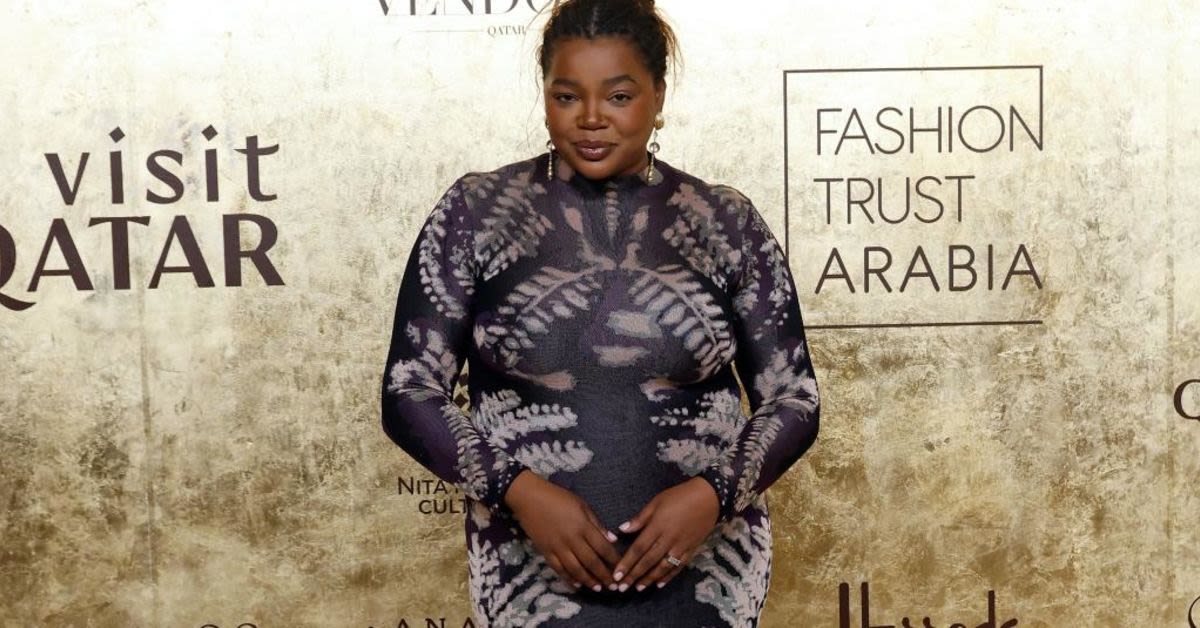
In an age when public displays of bravery often amount to little more than self-congratulation dressed up as moral courage, one former Vogue editor has managed to turn a routine airline seat change into a supposed act of resistance.
Gabriella Karefa-Johnson, a former Vogue editor and current stylist for New York City Democratic Mayor Zohran Mamdani, recently boasted on social media that she voluntarily downgraded her airline seat to avoid sitting near white middle-aged men. According to Western Journal, she shared the episode on Metas Threads platform, presenting it as a kind of emotional self-defense and, predictably, drawing praise from progressive followers who treat such gestures as a form of activism.
Karefa-Johnson recounted that she had been seated in first class on a flight to Milan, in a small cabin of six passengers. I just downgraded myself from first class to business class on my flight to Milan, she wrote, adding, In a cabin of 6, 5 of the passengers were white middle aged men then there was me, a 30 something black woman who travels in that cabin often, and a male flight attendant who thought Id be okay with substandard service and persistent micro-aggression from the moment I sat down.
She went on to frame her decision as a noble sacrifice rather than an act of open prejudice. He was wrong. I dont suffer fools, and i would sacrifice physical comfort to protect my emotional and mental well being any day, she declared, casting herself as a victim of micro-aggression and implying that her discomfort justified abandoning the seat she had paid for.
Her followers, steeped in the language of identity politics, quickly rallied to her side and reinforced the narrative that she had done something courageous. One sympathetic commenter wrote, Im sorry you had to do that-you deserve to be anywhere and everywhere. They belong in economy, a remark that, if directed at any other racial group, would have been instantly denounced as bigoted.
Karefa-Johnson did not reject that sentiment; she embraced it. Hard agree! Its just such a bummer that humiliation is part of the gratification for racists. Protecting my peace felt like letting him win and I hate that, she replied, doubling down on the idea that her fellow passengers and the flight attendant were racists whose mere presence and alleged behavior justified her own discriminatory response.
Outside her ideological bubble, however, the reaction was far less sympathetic and far more pointed. Once the story spread beyond progressive social media circles, many observers saw it for what it was: a public celebration of race-based avoidance, wrapped in the language of self-care and emotional well-being.
One X user distilled the absurdity into a single, cutting line. Just like Rosa Parks, the account posted, referencing a Daily Mail report and making clear through the dripping sarcasm that comparing Karefa-Johnsons seat downgrade to genuine civil rights heroism is an insult to history.
Others echoed that sentiment, noting that invoking oppression while practicing ones own form of exclusion is not a sign of moral clarity but of moral confusion. Rosa Parks defied government-enforced segregation to demand equal treatment under the law; she did not demand a different seat because she found the racial makeup of her surroundings distasteful or emotionally taxing.
The contrast matters, especially in a culture that claims to oppose judging people by immutable characteristics. If it is wrong to stereotype and avoid people because of their race and it is then that principle does not suddenly reverse when the target is white middle-aged men instead of a protected minority group.
Imagine, for a moment, a white executive posting that he had downgraded his seat to avoid sitting near black passengers, complete with a smug aside that they belong in economy. His employer would be under immediate pressure to fire him, the word racist would dominate headlines, and few would bother to parse his feelings about micro-aggressions before condemning his behavior.
Yet when the prejudice runs in the culturally approved direction, the same voices that demand zero tolerance for racism suddenly discover layers of nuance. We are told it is about trauma, self-protection, or protecting my peace, as if rebranding discrimination with therapeutic jargon somehow redeems it.
This selective outrage corrodes public trust and undermines any serious effort to move beyond racial tribalism. A society that insists it rejects racial essentialism cannot keep excusing it when it flatters progressive sensibilities or targets groups deemed acceptable to disparage.
Equal treatment under the rules requires equal enforcement of those rules, regardless of who is doing the judging or who is being judged. No, Gabriella Karefa-Johnson is not Rosa Parks; she did not confront injustice, she advertised bias, and the applause she received from certain quarters says more about our cultural double standards than about any supposed courage on her part.
Login