
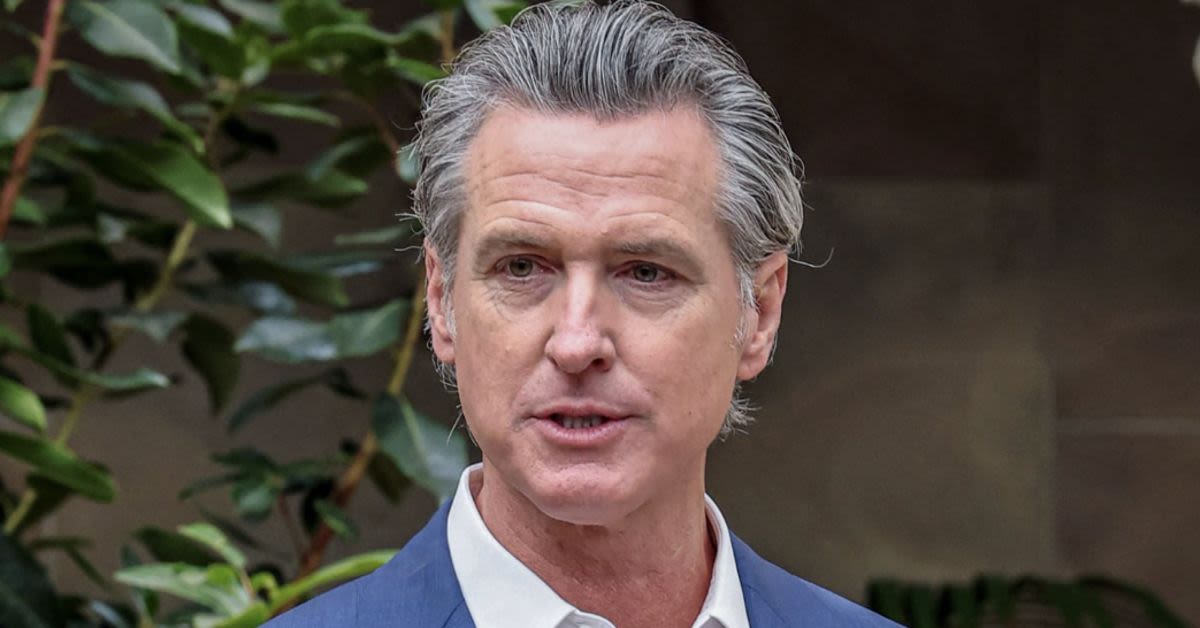
Democratic California Gov. Gavin Newsom is preparing to release a memoir that lays bare the anguish he still carries over his mothers assisted suicide, even as he has championed and expanded state laws that make such deaths easier to obtain.
The forthcoming book, Young Man in a Hurry: A Memoir of Discovery, scheduled for release on Feb. 24, revisits Newsoms childhood and early adulthood, but dwells at length on the grief and remorse he felt as he watched his mother, Tessa Newsom, end her life at age 55. According to Western Journal, the account stands in stark contrast to the governors later political record, which has consistently favored broad access to physician-assisted death for the terminally ill.
Tessa Newsom, who had battled breast cancer that metastasized throughout her body, requested assisted suicide in 2002 as her condition deteriorated. Her son now concedes that the experience left him emotionally scarred, even as he complied with her wishes and remained at her side in her final moments.
I hated her for it to be there for the last breath for years, Newsom told The Washington Post, reflecting on the day his mother died. I want to say it was a beautiful experience. It was horrible.
In the hours leading up to her scheduled death, Newsom and his sister tried to keep their mother comfortable, administering her usual pain medication as the appointed time approached. When the physician arrived, Tessa lucidly answered questions confirming that she fully understood and accepted her decision to end her life, The Washington Post reported, underscoring the deliberate nature of the act.
Newsoms sister ultimately left the room before the life-ending drugs were given, unable to witness what followed. The future governor, however, stayed with his mother until the end, an act of loyalty that he now describes as emotionally devastating rather than cathartic.
Then I sat there with her for another 20 minutes after she was dead, Newsom told the outlet. My head on her stomach, just crying, waiting for another breath.
More than a decade later, California would formally legalize physician-assisted suicide, not through a direct vote of the people, but via the state Legislature. In 2015, then-Gov. Jerry Brown signed the End of Life Option Act, authorizing doctors to prescribe lethal drugs to terminally ill adults, after lawmakers pushed the measure through without placing it on the ballot.
Although polls at the time showed substantial public support for the concept, earlier efforts to legalize assisted dying had failed when voters were given the final say. A 1992 ballot initiative that sought to permit physician-assisted suicide was rejected, suggesting that elite political enthusiasm for such policies has long outpaced the electorates comfort with them.
Once in office, Newsom did not merely preserve the law; he moved aggressively to expand and entrench it. Nearly five years after the statute took effect, he signed Senate Bill 380, which dramatically shortened the waiting period between the two required oral requests for life-ending medication from 15 days to just 48 hours.
The same bill also removed the requirement for a final written attestation, stripping away another procedural safeguard that critics had viewed as a modest check against haste or coercion. These changes, which officially took effect on Jan. 1, 2022, signaled that under Newsoms leadership, California would prioritize rapid access over caution in matters of life and death.
In October 2025, Newsom went further by signing Senate Bill 403, which amended the End of Life Option Act to repeal its sunset clause. The original law had been scheduled to expire on Jan. 1, 2031, but the new measure made the regime of medical aid in dying permanent, locking in a policy that many conservatives view as a dangerous cultural shift away from the sanctity of life.
Advocacy groups that have long lobbied for broader assisted-suicide laws hailed Newsoms decision. Compassion & Choices celebrates Governor Newsoms decision to sign Senate Bill 403 into law and ensure continued access to medical aid in dying for terminally ill adults, demonstrating his commitment to patient autonomy in the state of California, Kevin Daz, president and CEO for Compassion & Choices and Compassion & Choices Action Network, said at the time. With his signature, Californians will no longer have to worry that they or their loved ones may not have access to a full range of healthcare options when they are making their end-of-life decisions.
State data now reveal the scale of what these policies have enabled. According to the California Department of Public Health, more than 8,000 individuals have received aid-in-dying prescriptions since the law took effect in 2016, and 5,432 people have died after ingesting the lethal drugs.
For many on the right, the juxtaposition is striking: a governor who confesses that his mothers assisted suicide was horrible has nonetheless worked to accelerate, normalize and permanently embed similar practices into California law. As Newsom promotes a memoir centered on personal grief and moral unease, the state he leads continues down a path that treats life-ending prescriptions as just another healthcare option, leaving unresolved the deeper ethical questions his own story so painfully exposes.
Login