
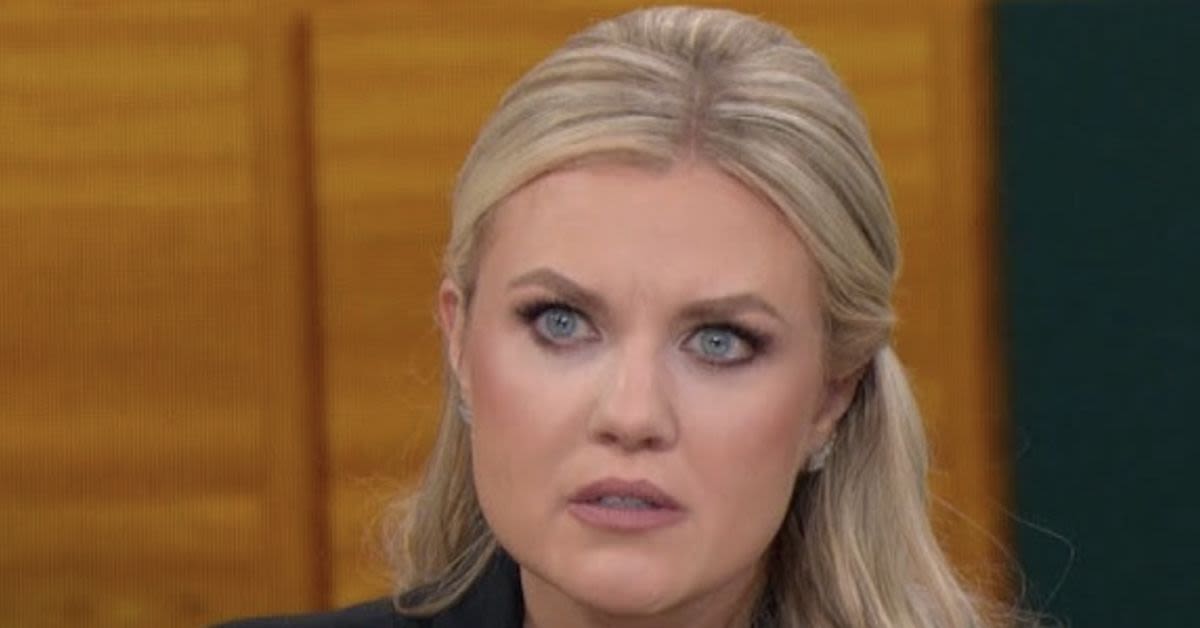
Widow Erika Kirk has moved to keep the murder trial of her late husband, conservative leader Charlie Kirk, as open to public scrutiny as possible, filing a legal notice that urges the court to resist efforts to restrict media and citizen access.
According to The Post Millennial, Kirk submitted the filing in the case of defendant Tyler Robinson, asking the court to prioritize transparency over secrecy as the proceedings move toward trial. The notice, shared on X by attorney Andrea Burkhart, underscores that Kirk is acting as the official victim representative and wants no questions left behind as the justice system weighs the evidence in her husbands killing.
In the filing, Kirks legal team stresses that There is no adequate substitute for open proceedings. Accordingly, Ms. Kirk respectfully urges the Court to deny any unnecessary requests to limit public or media access and to ensure that courtroom proceedings remain open to the fullest extent consistent with the defendants right to a fair trial." The document emphasizes that the case has received significant public attention, adding, This public attention cannot be ignored. And although it is critical that this Court balance the defendants right to a fair trial with the publics First Amendment right of access to judicial proceedings, any request, by either party, to essentially close these court proceedings from the public eye should be denied.
The filing argues that the stakes extend far beyond one defendant and one grieving family, warning of the broader damage that secrecy can inflict on public trust. "The public assassination of Mr. Kirk has profoundly affected many. Without meaningful access to these proceedings, the public will be unable to directly observe and evaluate the evidence presented, leaving a critical gap in understanding the circumstances surrounding his death. In the absence of transparency, speculation, misinformation, and conspiracy theories are likely to proliferate, eroding public confidence in the judicial process. Such an outcome serves neither the interests of justice nor those of Ms. Kirk," the filing states.
Kirks push for openness comes after months of wrangling over media access in the courtroom of Judge Tony Graf, who is presiding over the case. The dispute has grown so intense that, in addition to the prosecution and defense, the press itself is represented by legal counsel to argue for video and still photography access.
Whether cameras will be allowed to record the trial remains unresolved, as Judge Graf has yet to issue a definitive ruling. Robinsons defense team has opposed cameras altogether, while attorneys for the media have argued that this is precisely the kind of high-profile case in which full transparency is essential.
Cameras have been permitted during pretrial hearings, but the defense has repeatedly sought to narrow that access at every turn. At a recent Tuesday hearing, where the defense attempted to disqualify the entire Utah County prosecutorial team on alleged conflict-of-interest grounds, the still photographer was ordered farther back to avoid capturing Robinsons face.
The video camera operator had already been positioned behind the courtroom railing for the same purpose, limiting clear shots of the defendant. Last fall, at the urging of Robinsons attorneys, Judge Graf ruled that while cameras could remain in the room, they were barred from filming Robinson in shackles, effectively preventing images of him entering or leaving the courtroom.
Even with those restrictions, cameras trained on Robinson during prior hearings recorded his interactions with his lawyers, footage that later became fodder for online lip readers attempting to decipher privileged conversations. The defense now cites that episode as justification for further curbs, seeking to block any similar images from reaching the public again.
Robinson is scheduled to appear again on February 24, this time only by audio via Webex, when Judge Graf will decide whether to grant the motion to disqualify the Utah County prosecutors. Once that issue is resolved, the court is expected to turn to the central access question: whether cameras will be allowed during the actual trial.
For Kirk and many in the conservative movement who saw Charlie Kirk as a prominent voice for limited government and constitutional freedoms, the answer is obvious. Kirk and others have already stated their assertion that for full transparency, cameras must be permitted in court so that the public can see the goings on without filter or secrecy.
Login