
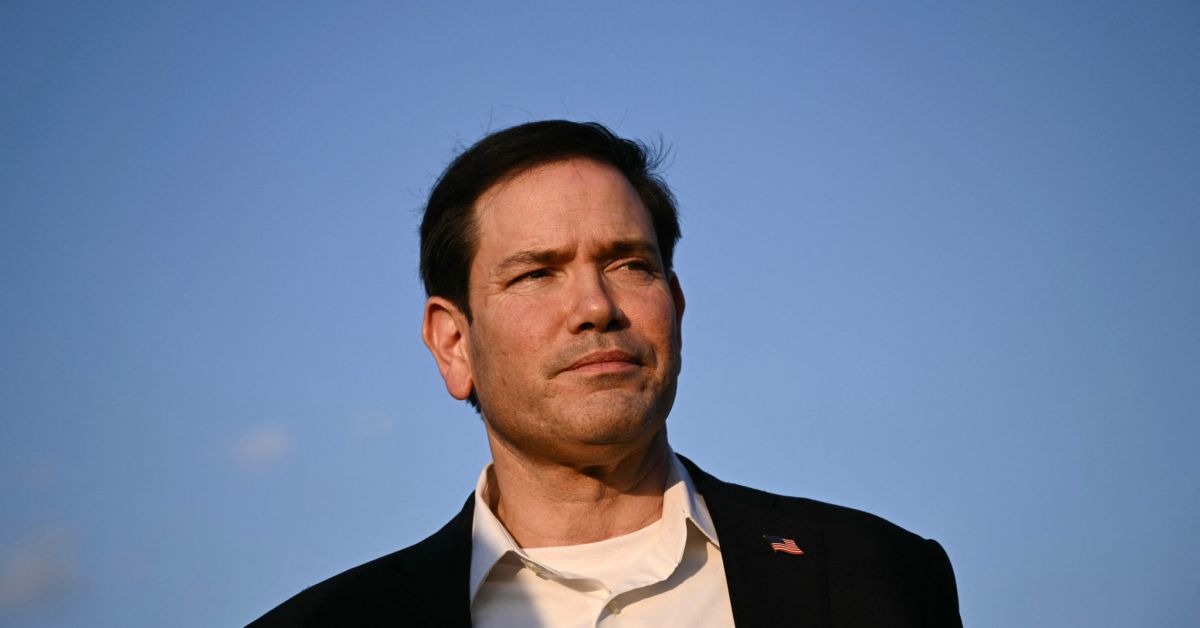
RedState asks whether the Republican Party needs a new Tea Party after the midterms, and points back to Marco Rubio's first wave.
Five days before the 2008 presidential election, then-Democrat nominee Barack Obama told supporters in Columbia, Missouri, "We are five days away from fundamentally transforming the United States of America." Columnist Becky Noble writes that many Republicans thought they understood what he meant by "fundamentally transforming" the country.
The Tea Party movement emerged in 2009 as a conservative populist force after the fight over Obama's healthcare overhaul. It organized protests, backed conservative candidates, and pushed the Republican Party toward smaller government and lower taxes.
Noble describes it as a grassroots movement in opposition to Obama's left-wing policies and a uniting force for Republicans and conservatives who, by 2012 and Obama's reelection, were becoming a political party adrift. The idea, she writes, was that America needed to go back to its first principles: fiscal conservatism, limited government, and protecting constitutional and individual liberty.
The movement also did something she says may matter even more after the 2026 midterms. It gave average Americans the impetus and motivation to get involved, locally and nationally, and to rediscover their political voices.
In the era of podcasting, she writes, a new Tea Party could take those voices and become a formidable force. The first wave was also a springboard for candidates like then-Senate candidates Marco Rubio and Rand Paul.
The race toward the 2028 presidential contest got underway in November of 2026, and Secretary of State Rubio's name is firmly in the mix. If he runs, Noble asks, does a revived Tea Party allow Rubio to go back to the principles that got him elected to the Senate, a kind of "remember who brought you to the dance"?
She writes that it might be an added bonus to an already stellar diplomatic record to run on. Just as Rubio and Paul emerged from the first Tea Party, she says, new faces would emerge from a new one.
While there are plenty of qualified people for President Trump to pass the America First agenda to, she argues there may be others in the pipeline who have not yet made their presence known. She contrasts that fresh blood with "lose with honor" types like former Vice President Mike Pence and former New Jersey Gov. Chris Christie, who she says still want a role in steering the party.
The new threat, in her telling, is socialism, and she says it appeals to young people more and more. A new Tea Party, she argues, would have to be modernized to address their concerns, bring them back to conservatism, and make them want to participate.
The next two years are just beginning, she writes, and a vocal Tea Party could be a thorn in the side of Democrats. Tyler Bowyer has already offered a forecast of his own.
"I predict a Tea Party-esque 2.0 will happen between now and 2030," Bowyer wrote. "The Dems won't be able to help themselves on Taxes and Subjugating regular Americans."
Login