
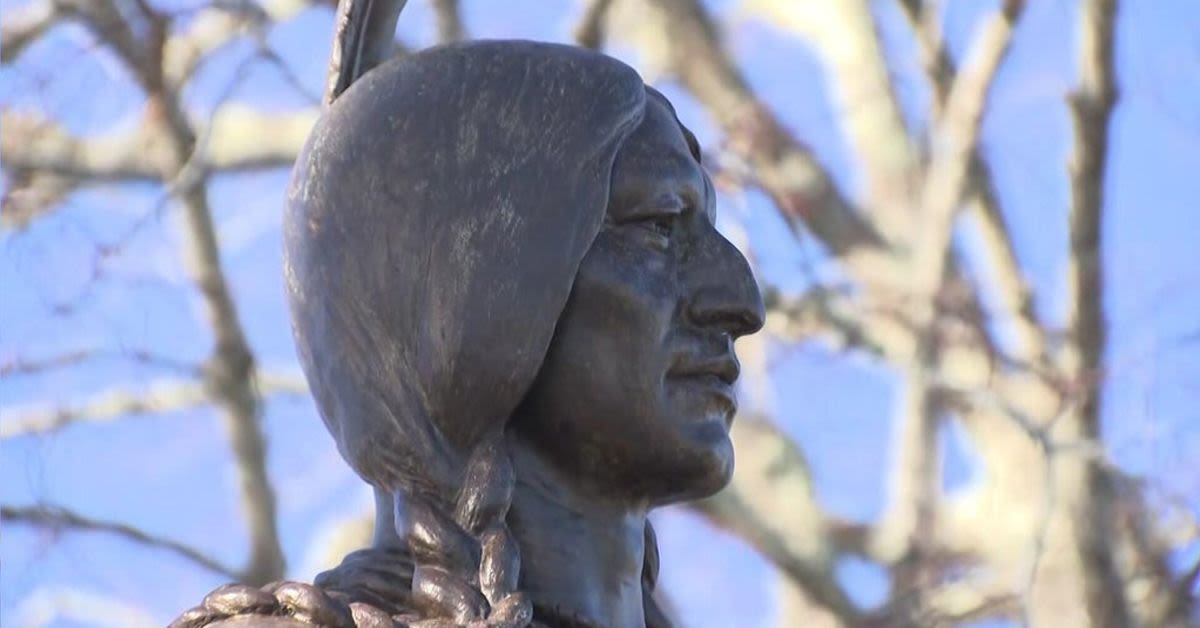
Boston city leaders have formally recognized Thanksgiving as a "National Day of Mourning," while nearby Plymouth fights a legal battle over the same observance.
The Boston City Council approved a resolution designating Thanksgiving Day as a "National Day of Mourning" in the city. Councilor Benjamin Weber introduced the measure, and 11 of his colleagues signed on as co-sponsors.
The resolution carries no legal weight and does not change how the city operates. Still, it continues a pattern for the council, according to Fox News, which has passed similar ceremonial measures ahead of the holiday in past years.
Councilor At-Large Julia Mejia spoke in favor of the measure during a council meeting. "The story of Thanksgiving that so many of us grew up learning in school fails to acknowledge the devastating consequences that colonialization had and continues to have on Indigenous peoples," she said.
"I think it's important that we recognize that these are not simply injustices of the past," Mejia continued. "And as a city, we have a responsibility to ensure that our commitment to equity and justice includes the Indigenous peoples whose lands we live on."
About 40 miles south, the fight is far more concrete. Plymouth, the site of the 1621 feast between the Pilgrims and the Wampanoag people, is locked in a court dispute with the group that organizes the town's own Day of Mourning gathering.
The United American Indians of New England, known as UAINE, has held the event on Cole's Hill every Thanksgiving since 1970. The dispute traces back to a 1997 clash between police and demonstrators that led to 25 arrests.
A settlement signed the following year allowed the gathering to continue, and UAINE says it requires the town to provide a stage. Town officials now say they will not set up a stage on state property unless the group provides proof of insurance or hires an outside vendor.
Plymouth attorney Stacey Verde made the town's case in court. "The big difference with it being UAINE Stage versus the town's stage is the liability issue," she said.
UAINE argues the insurance demand violates the 1998 agreement and the First Amendment. "The harm here is irreparable," the group's attorney, Daniel Guenther, told the judge.
Town Manager Derick Brindisi said the town supports the event and wants it to go forward. "UAINE could've provided a certificate of insurance to mitigate risk. They could hire their own vendor to set up the stage," he said.
Select Board Chair Deb Iaquinto made a similar point. "It makes us look like the bad guys, but we require every other group to provide insurance," she said. "The town is between a rock and a hard place."
Organizers see it differently. "We believe they are throwing up roadblocks," UAINE co-leader Mahtowin Munro said in a statement.
Another co-leader, Kisha James, accused Plymouth of caring more about its image. "Plymouth clearly cares more about preserving the 'America's Hometown' fantasy it has created for itself than it cares about freedom of speech or meeting its obligations to UAINE under the 1998 agreement," she said.
The town pushed back in its own statement. "The Town has continuously demonstrated a willingness to address concerns, offer solutions, and make accommodations at every opportunity," it said.
Plymouth Superior Court Judge Brian Glenny took the arguments under advisement without saying when he would rule. Lawyers said he understands that "time is of the essence."
Either way, organizers have made clear they plan to gather on Cole's Hill for the 57th annual observance. The town has also said the event will proceed as scheduled, stage or no stage.
Login