
An active-duty Army sergeant has admitted to selling sensitive military information, including rocket-system manuals, to buyers tied to China for cash.
Sgt. Jian Zhao, 37, pleaded guilty to conspiring to gather, transmit and transfer national defense information to individuals connected to China, the Justice Department announced. He faces up to a decade in prison, according to the Daily Wire.
Zhao enlisted in 2017 and served as a battery supply sergeant with the 17th Field Artillery Brigade at Joint Base Lewis-McChord in Washington. His duties and security clearance gave him access to sensitive Army information and equipment.
Prosecutors said he used his personal cellphone to photograph restricted documents covering Army operations, communications networks, weapons systems and military exercises. Surveillance footage caught him snapping pictures of military documents.
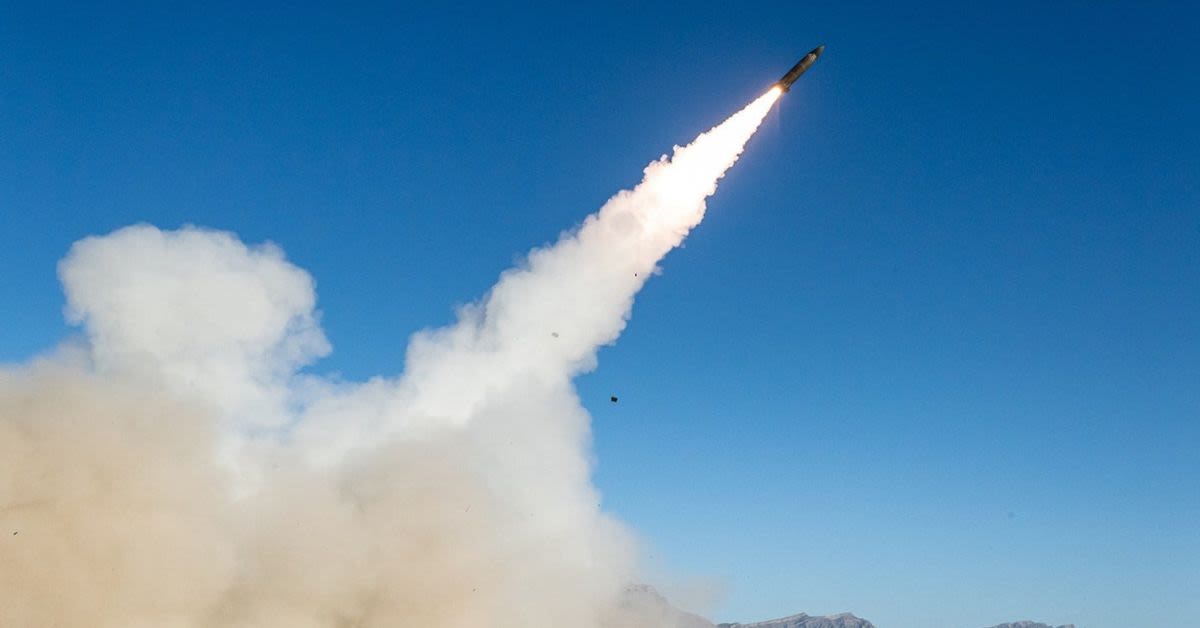
He also handed over excerpts from technical manuals for the High Mobility Artillery Rocket System, better known as HIMARS. Other materials he took related to a potential conflict between the United States and China.
The scheme ran from November 2021 to March 2025. Zhao was recruited by Ruoyu Duan, a former Army soldier living in Hillsboro, Oregon, who enlisted active-duty troops and arranged payments from buyers in China.
Duan has already pleaded guilty to conspiracy to gather and transmit national defense information. He faces up to 10 years in prison as well.
According to the plea agreement, Zhao sold 20 military hard drives for $10,000. He later offered additional drives bearing secret and top-secret classification markings, along with an encryption-capable computer.
Court documents show Zhao discussing the sales with a foreign national identified as co-conspirator one, who claimed to be based in China. "If you can guarantee both of our safety while making some money for both of us, sell it. It's the end of the year," he wrote in one message about the computer.
In another exchange about hard drives, Zhao admitted he did not know what was on them. He suggested "there could be intelligence or nothing," then asked, "Your buyer needs intelligence, right?"
Federal agents arrested Zhao at his home in Lacey, Washington, in March 2025. They recovered about $30,000 in cash, electronic devices and several Army hard drives.
Forensic analysis found that none of the recovered hard drives contained classified information. Under the plea deal, Zhao agreed to give up the seized cash and to cooperate with the Army in ending his military service.
Prosecutors agreed to seek dismissal of remaining counts, which had included bribery and theft of government property. They will also recommend a sentence at the low end of the guidelines range if Zhao demonstrates acceptance of responsibility.
Army leaders did not mince words. "This guilty plea reflects a deliberate betrayal of the oath every Soldier takes to defend our nation and safeguard our fellow service members," said Brigadier General Sean Stinchon, commanding general of Army Counterintelligence Command.
"By trading access to sensitive military information and government equipment for personal profit, this individual undermined our Army's operational security and put Soldiers at risk," Stinchon added. "I urge everyone across our ranks to stay vigilant and report any suspicious activity or outreach to Army Counterintelligence."
U.S. Attorney Scott Bradford echoed that message. "Members of the United States military are entrusted with protecting some of our nation's most sensitive information and capabilities," he said.
"Protecting our national security depends on holding accountable those who compromise their oath and endanger the security of our armed forces," Bradford added. Zhao faces up to 10 years in federal prison and a $250,000 fine at his sentencing in March before U.S. District Judge Karin Immergut in Portland, Oregon.
Login