
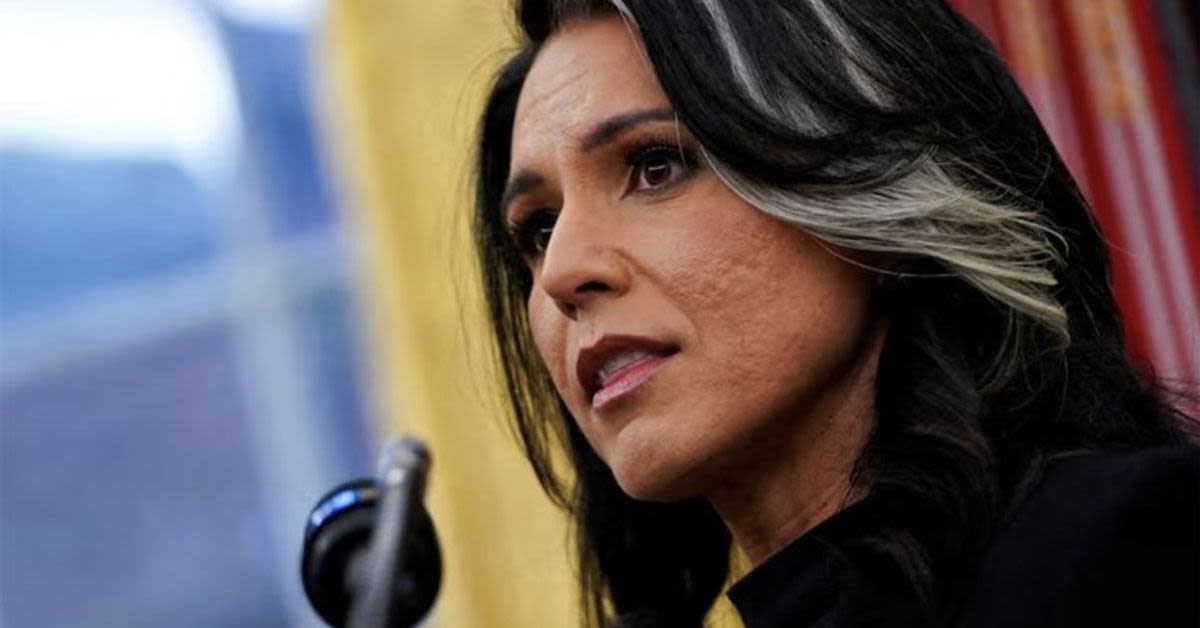
A whistleblower complaint claims the CIA turned on Tulsi Gabbard's own team after it passed along a tip in the Capitol riot pipe bomb case.
The account comes from a single source familiar with the complaint, which was filed with the Intelligence Community Inspector General, according to The Gateway Pundit. The outlet has filed a Freedom of Information Act request seeking the complaint and any findings the watchdog issued, and the claims have not been independently confirmed.
At the center of the story is the Director's Initiatives Group, a small team that reported directly to Gabbard while she served as Director of National Intelligence. Gabbard created the group to "rebuild trust in the Intelligence Community" and to carry out President Trump's orders on ending the weaponization of government.
According to the source, the trouble began when investigative journalist Steve Baker brought the group what he said was evidence linking the pipe bomber to a former U.S. Capitol Police officer later employed by the CIA. Because the allegation involved a CIA employee, the intelligence director's office had a legal duty to notify the agency, and the group did so.
The CIA did not take it well, the source says. The agency allegedly accused the group of leaking the employee's name to Baker and opened an investigation into it.
The complaint, as the source describes it, details surveillance and intimidation of the group's personnel. It characterizes the CIA's probe as retaliation against the very office the agency answers to.
The CIA has not publicly responded to the claims. The Inspector General's findings, if any, have not been released.
The source's account echoes sworn testimony from a CIA insider. James Erdman III, a senior CIA operations officer who served on the group, testified under subpoena before Sen. Rand Paul's Homeland Security Committee.
"The CIA illegally monitored the computer and phone usage of DIG [Director's Initiatives Group] personnel, their investigations, and contact with whistleblowers," Erdman told senators. "These were Americans being spied upon illegally while executing duties directed by the president and under the authority of the Director of National Intelligence."
Erdman's testimony centered largely on the group's work examining the origins of COVID-19. Days after he testified, the intelligence director's office confirmed the Inspector General was aware of the allegations and working to "uncover the truth about any potential wrongdoing."
The group later came under fire itself. Reuters reported that it was being wound down, citing unnamed sources who blamed missteps that included linking a federal security worker to the pipe bombs.
The intelligence director's office denied that account, saying the group was always meant to be temporary. It also said it had a legal duty to pass along the pipe bomb allegation it received, with its lawyers involved.
The outlet's source claims those anonymous reports were fed to the press as part of a deliberate effort to discredit the group before the full story came out. That claim, like the others, rests on the single source.
The pipe bomb case itself has moved on. The FBI arrested Virginia resident Brian Cole Jr. and charged him with planting the devices, and prosecutors say he confessed, though Cole has pleaded not guilty.
The CIA employee named in Baker's report has filed a defamation lawsuit against Baker and Blaze Media. Gabbard has since resigned as intelligence chief, and the group she created has been disbanded.
Login