
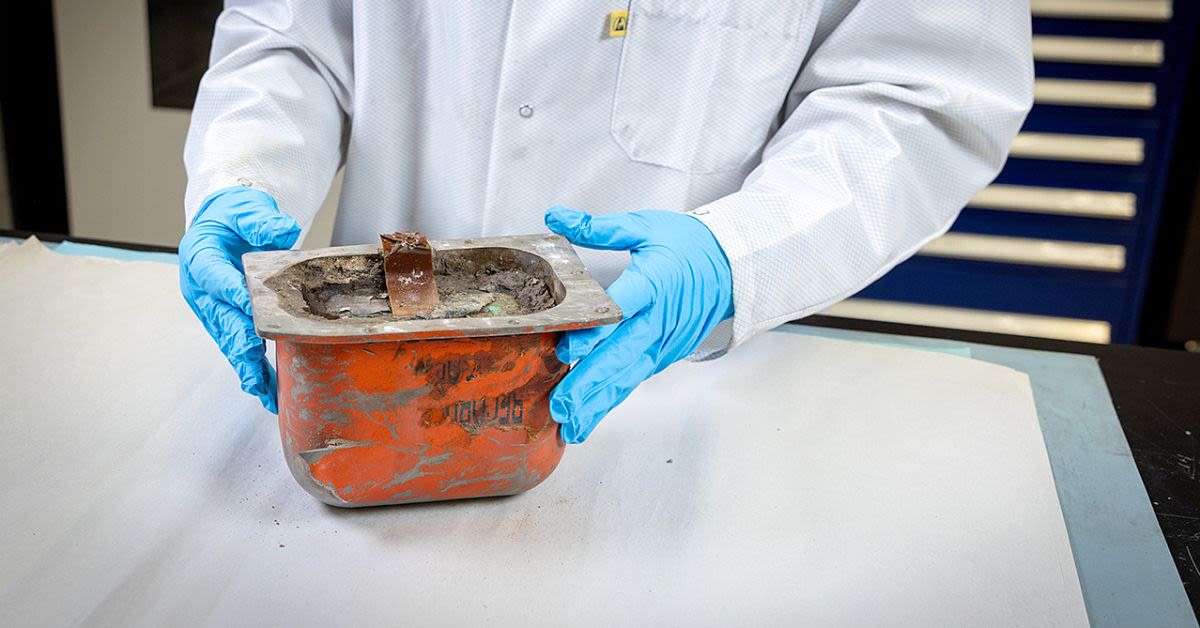
The National Transportation Safety Board said it recovered the cockpit voice recorder from the Learjet 60 that crashed on November 1 near Greenacres, Florida, killing all nine people aboard, and that the device is being evaluated at the agencys Vehicle Recorders Laboratory in Washington, D.
C.
The recorder was found at the site of initial impact, and excavation work there has been completed, the NTSB said in an update on investigation ERA27MA026. Officials have not said whether the unit was damaged, whether it was recording during the flight, or whether it contains usable audio. Investigators will try to determine if the device is operable and whether any audio was captured.
The charter jet, operated by Aurora Aviation doing business as Upper Jet, had departed Austin-Bergstrom International Airport in Texas for North Eleuthera in the Bahamas with seven passengers and two crew members, and it went down just before 1 in the afternoon. NTSB board member Thomas Chapman said that at about 35,000 feet, the crew told air traffic control it was encountering light clear ice and moderate turbulence, with altitude swings of about 700 feet, then reported precipitation and asked to climb to 37,000 feet. Less than 30 seconds later, the aircraft radioed that it was in an overspeed condition descending, followed by a mayday call; those accounts are the crews earlier radio reports, not findings taken from the cockpit recorder, which remains under evaluation.
Chapman said investigators recovered most of the jets left elevator, the control surface that raises or lowers the nose, in three pieces scattered 1.3 to 3.8 miles from the crash site, a distance that indicates the sections separated before impact, though the NTSB has not determined whether that failure triggered the descent or resulted from it. The agency has not established a cause. A preliminary report is expected in about a month, and a probable-cause finding could take one to two years, an NTSB spokesperson told CNN.
Login