
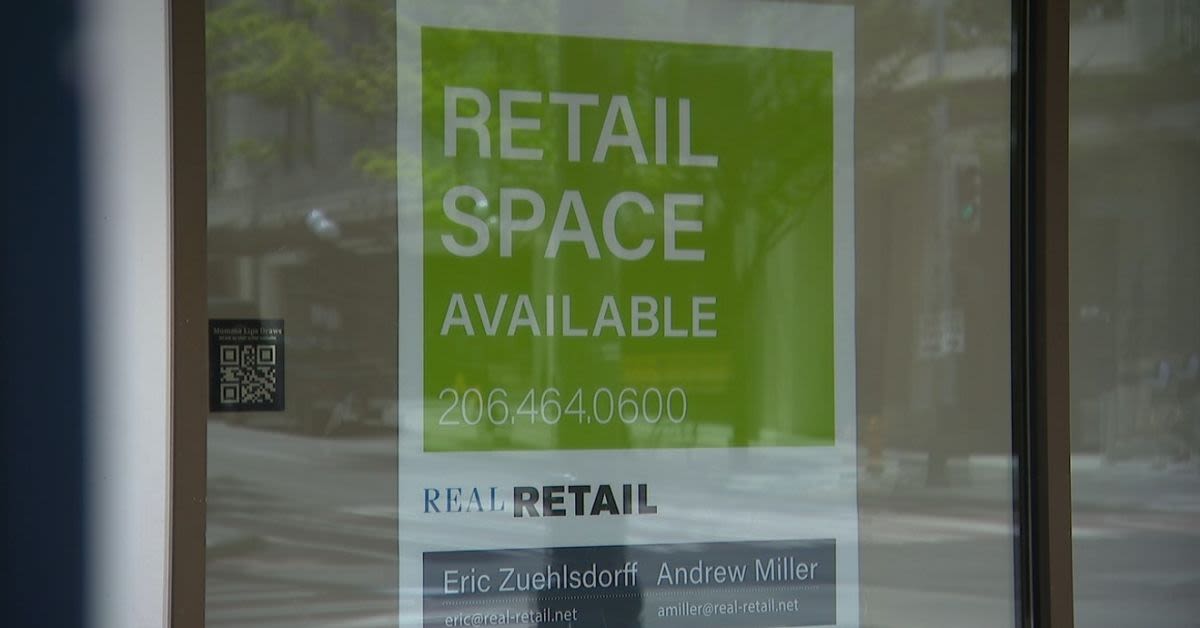
Seattle is offering entrepreneurs six months of free rent and a cash stipend to fill its empty storefronts, and the application scores businesses partly on whether they are owned by women or racial minorities, according to The Post Millennial.
The city's Seattle Restored program gives selected businesses a no-cost lease, a $2,500 stipend, general liability insurance and free internet. Its scoring criteria include an "Equity" question asking whether the business is "Woman and/or Black, Indigenous, or Person of Color (BIPOC) owned, and/or does the project serve women/BIPOC communities?"
Applicants are also judged on community impact, readiness and experience. A community advisory panel and program staff score the applications, and the top scorers advance to interviews.
The program is prioritizing Belltown, Pioneer Square, the Chinatown-International District and the downtown retail core. Applications for the 2027 pop-ups opened Oct. 28 and close Nov. 24, with the first shops launching as early as March 2027.
Those are the same neighborhoods that have been hit by a wave of high-profile departures. Nike, The North Face, Saks OFF 5TH, Vans, Lululemon and Hard Rock Cafe have all closed downtown locations, and Ross Dress for Less announced its downtown closure earlier this year.
Whole Foods shut its Capitol Hill store, and Amazon closed its Amazon Fresh grocery on Pike Street. Target closed its Ballard and University District stores in October 2023, citing theft, organized retail crime and safety concerns.
Starbucks has also closed prominent Seattle locations, including stores near Pike Place Market, its Capitol Hill Reserve Roastery and one of its few remaining downtown shops. Restaurants have taken losses too, with Tutta Bella closing its original Columbia City restaurant and its downtown location in October.
Employers have been moving work out of the city as well. Amazon has shifted teams to Bellevue and Redmond, Warner Bros. Discovery moved its local operation to a smaller Bellevue office, and Starbucks has relocated some teams to Nashville.
Free rent is not the city's first attempt to prop up struggling storefronts. Seattle's Storefront Repair Fund now reimburses businesses up to $5,000 per incident, for as many as three incidents a year, to fix broken windows, doors, locks, gates, fences and signs.
Stolen merchandise is not covered. One owner said boarding up an entrance alone cost $4,000 to $5,000, before the price of replacement glass.
Seattle Restored itself launched in December 2021 with federal American Rescue Plan money, offering artists and entrepreneurs $2,500 each and free temporary storefront space. The first round targeted 25 storefronts, and the city expanded it to another 45 spaces in July 2022.
Business owners remain gloomy about the city. An Oct. 26 survey from the Seattle Metropolitan Chamber of Commerce and the Downtown Seattle Association found that 47 percent of respondents had seriously considered moving operations, jobs or investment out of Seattle in the past year.
Public safety and taxes and fees were each named as challenges by 64 percent of respondents, followed by homelessness and behavioral health at 61 percent. Respondents rated Seattle's business climate 39 out of 100 and City Hall's responsiveness to business 26 out of 100.
The program's track record is modest. KOMO News reported that of the 100 retail pop-ups Seattle Restored has hosted since its pandemic-era launch, only 33 have turned into long-term leases.
Login