
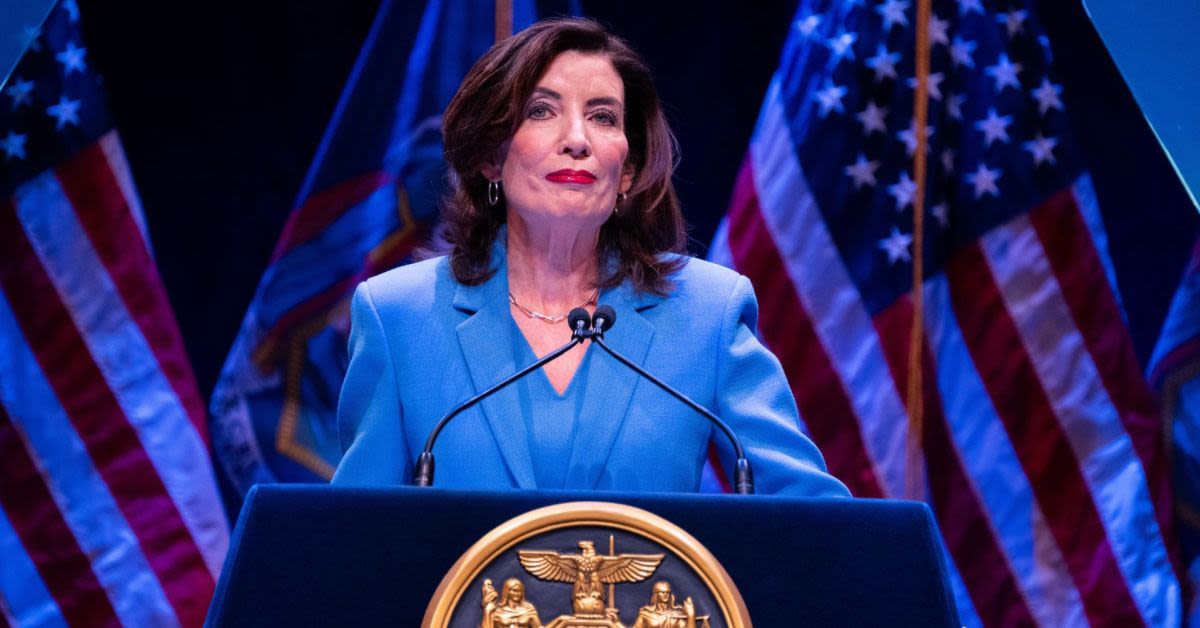
New York Gov. Kathy Hochul is facing mounting criticism for her decision to appear in a Netflix documentary about an alleged gang rape at Cornell University, even as a renewed state investigation into the case remains underway and no criminal charges have been filed against the seven accused men.
According to the New York Post, the controversy centers on Hochuls participation in Instadocs: Jane Doe v. Cornell, a newly released film examining the allegations brought by a woman identified as Jane Doe against seven Chi Phi fraternity brothers, Cornell University, her own sorority, and others. Hochul, who in October signed an executive order appointing New York Attorney General Letitia James as special prosecutor, appears roughly 13 minutes into the documentary, offering personal reactions and commentary on the case that critics say risk prejudicing the process.
Speaking to an interviewer in the film, Hochul said, My first reaction was how disgusting, not again. You feel like, not again. She went on to draw on her own college experience at Syracuse University in the late 1970s, recalling, There were a series of rapes our first week on campus and there was a sense of anxiety all around.
Hochul used that recollection to denounce what she described as a persistent problem on campuses. She condemned what she called a culture that has never changed, and added, The number of people involved and the repugnancy of her allegations wouldve drawn you to local police department fairly quickly.
Jane Does claims drew national attention when she filed a civil lawsuit alleging she was drugged and gang raped inside a Cornell fraternity house in 2024. She brought the suit nearly two years after first reporting her allegations to local law enforcement, a delay that has fueled questions about both the underlying facts and the subsequent political intervention.
Tompkins County District Attorney Matthew Van Houten has defended his offices handling of the matter, stating that multiple prosecutors and criminal investigators reviewed Jane Does statement and correctly determined the alleged facts as set forth in the statement do not constitute a crime. In the Netflix interview, Hochul appeared to challenge public confidence in that conclusion, saying, In a situation like this, you want to make sure that people believe in the process.
Legal analysts warn that a sitting governor publicly weighing in on an active, high-profile case risks undermining due process and the presumption of innocence. Fox News contributor Donna Rotunno, a criminal defense attorney and host of the Crime and Justice with Donna Rotunno podcast, argued that Hochuls comments only deepen concerns about political pressure on prosecutors, saying, The governor can say anything she wants about anything. The question is, should she?
Rotunno added that, The problem you have here is there has already been the air of impropriety. She also described the timing of Hochuls sudden involvement as suspect, questioning why the governor intervened only after years had passed and the case had become a national media spectacle.
If she was so in tune as to what was happening in Ithaca or elsewhere in the state of New York, this is probably something that should have been on her radar, Rotunno observed, suggesting that Hochuls move looks more like political theater than principled leadership. When pressed by Fox News Digital on why Hochul chose to appear in the documentary at all, a spokesperson for the governor responded, Governors routinely speak to news and media organizations about matters of significant public interest.
For many observers who value equal justice under the law, the episode underscores a broader concern about politicized prosecutions and the willingness of Democratic officials to leverage sensitive criminal matters for public relations purposes. As President Trumps second administration continues to emphasize law and order and the rights of the accused, Hochuls high-profile media turn in a still-unresolved case raises a fundamental question: whether New Yorks justice system is being guided by facts and statutes, or by the governors preferred narrative on campus culture and sexual assault.
Login