
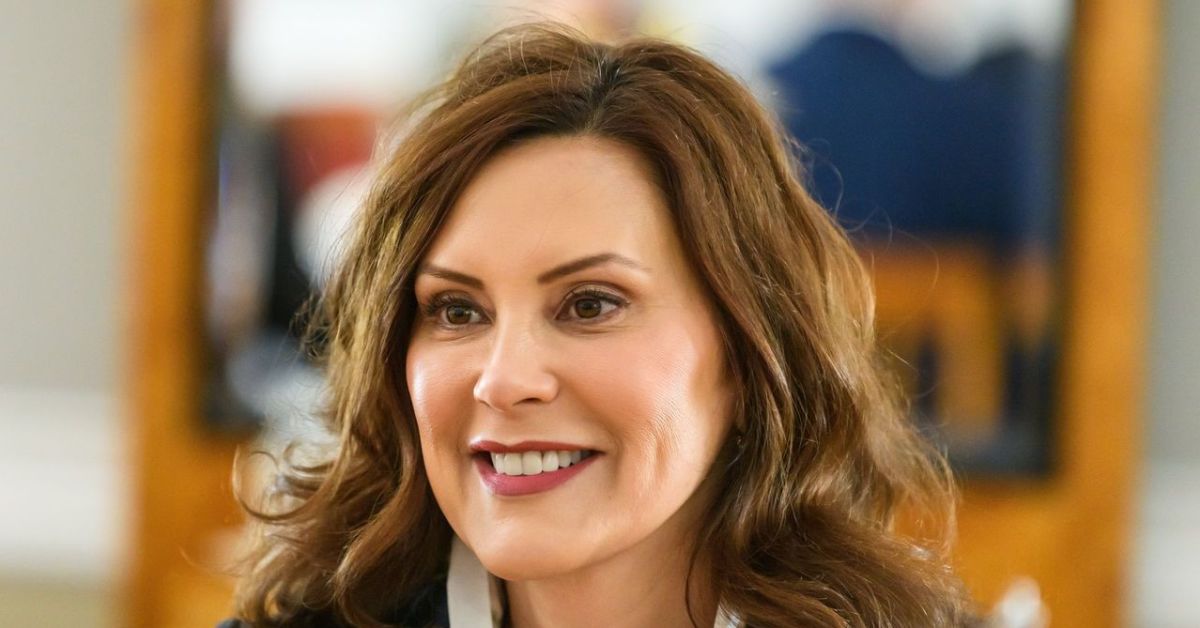
More than three quarters of a million Michiganians are poised to see their health insurance premiums climb again next year under steep new rate hikes approved by the administration of Democrat Gov.
Gretchen Whitmer.
According to Breitbart, the states Department of Insurance and Financial Services (DIFS) has signed off on double-digit percentage increases for 2027, authorizing a statewide average jump of 14.2 percent for individual plans and 9.6 percent for small business coverage, as first detailed by the Midwesterner. The latest hikes extend a pattern of escalating costs in the Great Lakes State, where premiums already surged in 2025 by 20.2 percent for individual policies and 11.1 percent for small businesses, the Detroit Free Press reported.
Republican lawmakers, who currently hold a narrow majority in the state House, have advanced proposals aimed at curbing healthcare costs, but those efforts are running headlong into a well-funded lobbying campaign and an approaching November election that could upend the chambers balance of power. Under Michigan law, health insurance rates cannot take effect without DIFS approval, and the agency says it reviews insurer filings, public comments, and financial data to determine whether requested premiums are reasonable and compliant with state and federal regulations.
The Whitmer administrations regulators announced the approved 2027 rates on Oct. 28, locking in substantial increases for hundreds of thousands of policyholders. While some carriers secured individual-market hikes in the low-teens, others were granted far more aggressive increases that will hit working families and self-employed residents especially hard.
According to the Midwesterner, UnitedHealthcare Community Plan is approved for a 25.2% rate hike, while its 24% for Meridian Health Plan of Michigan, 22.4% for Molina Healthcare, 15.7% for McLaren Health Plan Community, 14.1% for Alliance Health and Life Insurance, 12.8% for Blue Cross Blue Shield Mutual, 12.6% for Health Alliance, and 11.9% for Oscar Insurance. Those figures underscore how the cost of coverage in Michigans individual market is racing well ahead of inflation, even as Democrats in Lansing continue to defend the regulatory status quo born of Obamacare and expanded government control.
Small businesses, the backbone of the states private-sector economy, are also bracing for sizable premium spikes on plans covering fewer than 51 employees. DIFS approved rate hikes of 10.7 percent for 133,899 Michiganders insured through Blue Care Network, 7 percent for 133,192 on Blue Cross Blue Shield Mutual, and 11.6 percent for 87,423 on Priority Health, with additional increases of 11.6 percent for Alliance Health and Life Insurance, 11.6 percent for Health Alliance Plan, 10.7 percent for Priority Health Insurance Company, 14.5 percent for UnitedHealthcare Community Plan, and 14.8 percent for UnitedHealthcare Insurance Company.
Insurers are pointing to rising medical and pharmaceutical costs to justify the premium shock, arguing that they are simply passing along the underlying expenses of a healthcare system shaped by heavy regulation and hospital consolidation. Bill Tuthill, vice president of Individual Business for Blue Cross, told the Detroit Free Press that an anticipated 10 percent jump in the cost of medical care and prescription drugs next year was a key driver behind the rate hike requests.
Helping Michigan families access high-quality, affordable health coverage remains our top priority, he said in a statement. Our rates reflect the expected cost of caring for our members in 2027, which has increased as additional medical and prescription drug data has become available this year.
UnitedHealthcare struck a similar note, emphasizing that its filings mirror the real-world costs of care in a system where hospital prices and specialty drugs continue to soar. Our requested rates reflect significant year-over-year increases in medical costs, driven by higher hospital prices, increased utilization and rising specialty drug costs, the company wrote in a statement.
We remain committed to working with state regulators to ensure rates are fair, reflect the true cost of care and maintain market stability. For many conservatives, those assurances ring hollow in light of a decade of broken promises about affordable coverage under Democrat-backed reforms that have instead produced higher premiums, narrower networks, and fewer choices.
The political fight over who is to blameand what to do nextis intensifying in Lansing, where healthcare costs and Republican reform proposals have become sharply partisan flashpoints. The latest round of hikes lands just as a lobbying group tied to the Michigan Health & Hospital Association is pouring money into a campaign to unseat Republican state House incumbents who have dared to challenge hospital pricing power.
Michigan Citizens for Better Health, which backs many Democrat lawmakers and describes itself as a coalition supporting healthcare access, is spending $2.5 million targeting incumbent GOP legislators, according to the Midwesterner. That spending blitz is a direct response to House Republicans unveiling a four-bill package designed to reduce healthcare costs by reining in hospital consolidation and aggressive pricing practices that critics say flourish under the current regulatory regime.
The GOP plan would create a hospital pricing board, limit hospital prices and price increases, restrict hospital consolidation, and prohibit certain large hospital systems from requiring physicians to sign non-compete agreements, according to the outlet. It reportedly would also require nonprofit hospitals to reduce prices by ten percent, a move aimed at ensuring that tax-favored institutions deliver tangible financial relief to patients rather than padding executive salaries and expansion projects.
The Michigan Health & Hospital Association has responded with dire warnings, insisting that the Republican reforms would devastate care in less populated regions. The association claims the legislation would decimate access to care across the state, especially in rural communities where hospitals already operate on thin margins.
Whether voters accept that argumentor instead side with Republicans seeking to check the power of large hospital systems and bureaucratsis about to be tested at the ballot box. It remains to be seen how the GOP House majority will fare in Tuesdays election, while the state Senate remains firmly in Democrat hands, ensuring that any serious attempt to roll back costs through market-oriented reforms will face an uphill battle.
Login