
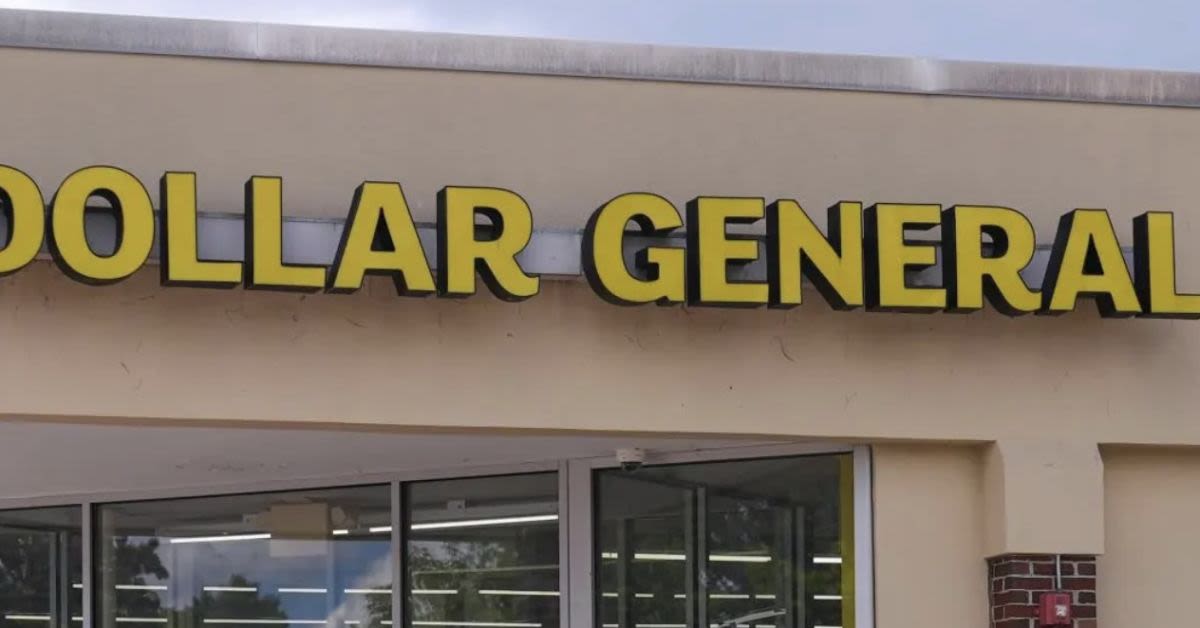
The Federal Trade Commission, joined by 20 states, has filed suit against Dollar General, alleging the discount chain systematically charged shoppers more at the register than the prices advertised on its shelves and in its promotions.
According to CBS News, the complaint contends that the retailer, which operates roughly 21,000 stores nationwide, has for years mislabeled prices, thereby "extracting millions of dollars in unlawful overcharges," in the words of the FTC. Regulators argue that American families, especially those living paycheck to paycheck, rely on Dollar Generals advertised low prices to stretch limited incomes, and that inaccurate pricing undermines their ability to manage basic household budgets.
"Dollar General has betrayed the trust of millions of American consumers and imposed significant financial harm on communities and consumers who are already struggling to make their paychecks last," Christopher Mufarrige, director of the FTC's Bureau of Consumer Protection, said in a statement. The agency filed its complaint in the U.S. District Court for the Middle District of Tennessee, the companys home state, underscoring the seriousness of the allegations against one of the nations largest discount retailers.
According to the suit, thousands of Dollar General locations allegedly overcharged shoppers at checkout, despite prominently advertised bargains. Dollar General "has for years engaged in deceptive conduct that harms the very consumers it claims to serve," the FTC and states allege, adding, "Although Dollar General promises convenience, low prices, and value, the company has routinely charged customers more at the register than the prices displayed on shelves, price tags, and advertisements. This pattern of inaccurate pricing has persisted for years and affects millions of purchases across the country."
The company, which did not immediately respond to a request for comment, has also faced thousands of consumer complaints claiming it failed to honor advertised prices, which the FTC views as evidence the retailer knowingly harmed customers. The suit seeks a permanent injunction, along with monetary and other relief, signaling that federal and state authorities intend to hold a major corporate player to account on behalf of working-class consumers who depend on honest pricing rather than bureaucratic overreach or new regulations.
Login