
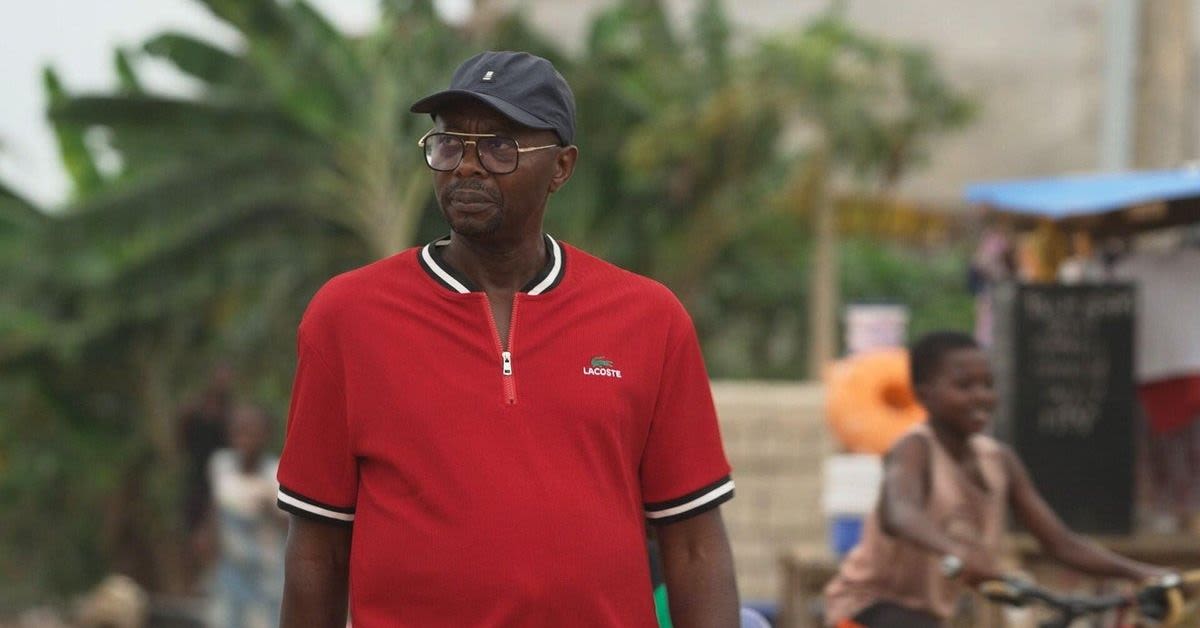
CBSs flagship news show, 60 Minutes, devoted a recent segment to the deportation of a long-term Houston resident, but key facts omitted from the broadcast have since raised serious questions about the narrative it tried to sell.
According to RedState, the program profiled 57-year-old Moussa Diawara, a native of Mali who had lived in the Houston area for more than a quarter-century after entering the United States on a tourist visa and overstaying. During those years, Diawara married an American citizen, worked as an Uber driver, and helped raise two children, a profile tailor-made for the kind of emotional, Maryland Man-style framing legacy media often deploy when criticizing immigration enforcement. 60 Minutes even brought his family on camera to underscore the pathos of his removal, with his 16-year-old son Corey lamenting, It feels really empty without him, and the program stressing that Diawara had no criminal record.
The broadcast further claimed that Diawara was deported in July without the opportunity to speak to his lawyer or appear before a judge, and that he was ultimately sent to Mali, a country a U.S. immigration judge ruled he could not be deported to. The segment reported that a 2012 immigration judges ruling had granted him withholding of removal to Mali on the grounds that he would face persecution there, and that his fear claim centered on his conversion to Christianity in a Muslim-majority nation. In a statement to the program, the Department of Homeland Security (DHS) told 60 Minutes that Ghana had provided the United States with diplomatic assurances for his safety, and the department also questioned the credibility of Diawaras arguments for fearing persecution in Mali.
Those credibility concerns turned out to be far more significant than 60 Minutes let on. ICE detained Diawara on July 11 and placed him on a charter flight to Ghana at the end of the month, after which Ghanaian authorities transferred him to Mali, according to the report and documents reviewed by the outlet.
Yet James Percival, General Counsel for DHS, has since revealed that when he pulled Diawaras immigration file, he discovered that the basis of Diawaras original fear claim was not religious conversion, but a purported sexual orientation. As Percival put it, Diawara had asserted that he did not want to be sent back to Mali because he was gay.
That revelation sits awkwardly beside the family portrait 60 Minutes chose to highlight. Diawara has a wife and two children in the United States, a fact the program used to humanize him while downplaying the inconsistencies in his story.
Percival, who shared his findings publicly, argued that this case is emblematic of a broader problem, writing that, This illegal alien is @60Minutes poster child for what it claims are wrongful deportations. I pulled his file. His claimed reason for fearing Mali was that he is gay, just in case youre wondering how bad the immigration fraud problem is. For an administration already grappling with a crisis of confidence in border security, such cases underscore how easily the asylum system can be manipulated when ideological narratives trump hard scrutiny. The tactic Diawara allegedly employed is not unprecedented in Western immigration systems.
A 2026 BBC undercover investigation exposed a network of British legal advisers and firms charging thousands of pounds to coach migrantsparticularly from Pakistan and Bangladeshto falsely claim they are gay in order to secure asylum. Those advisers went so far as to orchestrate staged photographs, fabricate support letters, and procure bogus medical reports, prompting arrests and enforcement action by the UK Home Office against the participants in the scheme.
The pattern is familiar: progressive asylum standards, especially on sexual orientation and gender identity, create incentives for bad actors to exploit the system, while left-leaning media outlets often focus on sympathetic anecdotes rather than the integrity of the process. The United States is no exception to this dynamic.
American law recognizes sexual orientation as a valid basis for asylum or withholding of removal, and federal authorities have prosecuted attorneys and document preparers for coaching clients to concoct persecution narratives, including those based on LGBT status. Yet 60 Minutes chose to spotlight Diawara as a victim of an allegedly unjust deportation regime, only belatedly acknowledging that the U.S. had a right to deport him, but not to Mali. Even that caveat was misleading: as the record shows, U.S. authorities removed him to Ghana, not directly to Mali, and did so only after Ghana provided diplomatic assurances for his safety.
By the time the program conceded that DHS had questioned the credibility of Diawaras fear claim, the emotional arc of the story was already firmly established in viewers minds. The segments structurefront-loading the familys distress and burying the governments doubtsmirrored a broader media tendency to cast immigration enforcement as inherently suspect while glossing over fraud that undermines the rule of law.
They didn't. They sent him to Ghana, critics noted of the claim that the U.S. had deported him to a country barred by an immigration judges order, adding that aside from the entire premise being false, the outlet did a bang-up job reporting here. By ignoring the fraudulent core of his asylum file in favor of a sympathetic family package, 60 Minutes ended up promoting a narrative that collapsed under basic factual scrutiny, reinforcing conservative concerns that much of the legacy press is more interested in advancing an open-borders storyline than in telling the full truth about Americas immigration system.
Login