
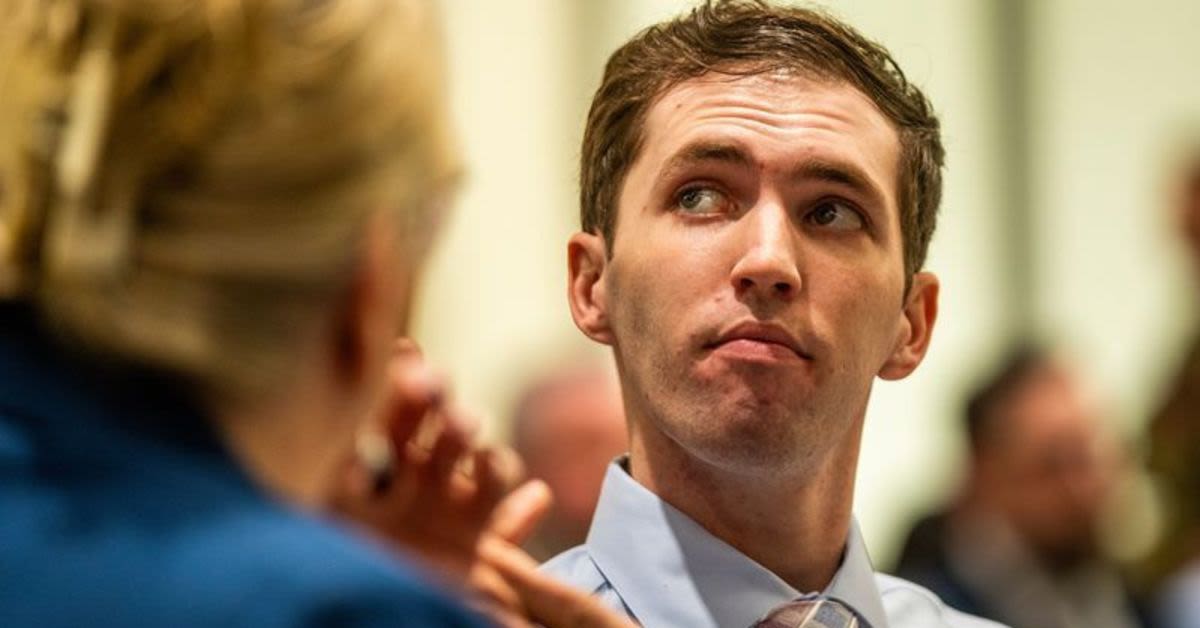
The legal teams in the capital case against Utah defendant Tyler Robinson, accused of killing conservative activist Charlie Kirk, have submitted sharply divergent proposals for when the high-profile trial should begin.
According to The Post Millennial, prosecutors are urging a trial start date of January 31, 2028, while the defense is pushing to delay proceedings until the third quarter of 2029, a schedule that would postpone the trial until roughly four years after Kirk was killed at Utah Valley University. Judge Tony Graf is expected to decide between these competing timelines at a hearing on Friday, a decision that will determine whether the case moves forward with urgency or drifts into yet another year of delay.
Prosecutors outlined a detailed schedule that would require both sides to exchange lists of fact witnesses by June 14, 2027, with any additional witnesses disclosed no later than 30 days before trial. They further proposed that all motions challenging the constitutionality of the death penalty, aggravated murder statutes, or capital trial procedures be filed by February 1, 2027, with the states response due March 15 and defense replies due April 15.
Under the states plan, any motion for a change of venue must be submitted by May 3, 2027, a key step in a case that has already drawn national attention from conservatives outraged by the killing of a prominent voice on the right. Motions to suppress evidence and other case-related motions would be due by July 30, 2027, setting a firm structure that prevents the kind of open-ended litigation that often bogs down capital cases.
The prosecution also proposed a schedule for expert witnesses in both the guilt and penalty phases, beginning July 30, 2027 and concluding October 29, 2027, with evidentiary hearings held as needed. This approach reflects a desire for orderly, timely adjudication rather than the drawn-out process that defense attorneys in major cases frequently seek.
A proposed jury questionnaire, under the states timeline, would be filed by September 30, 2027, and mailed to 3,000 prospective jurors on November 5, 2027. Returned questionnaires would be due by November 19, 2027, with a final pre-trial hearing set for January 1011, 2028, and the trial commencing later that month.
By contrast, the defense argued that it would be wholly unworkable for this Court to set a single deadline on which all pretrial motions are due, and instead advanced a sprawling, phased schedule. Their nine-phase plan stretches from the remainder of 2026 and the first quarter of 2027when immediate motions would be filed and litigatedthrough the second quarter of 2029, when the jury questionnaire would finally be completed and distributed, a timeline likely to raise concerns among those who believe justice delayed is justice denied in the killing of a leading conservative figure.
As the court weighs these competing visions, the case underscores a broader tension in the justice system between exhaustive procedural maneuvering and the publics expectation of timely accountability, especially when the victim is a nationally recognized conservative such as Kirk. This is a breaking story.
Login