
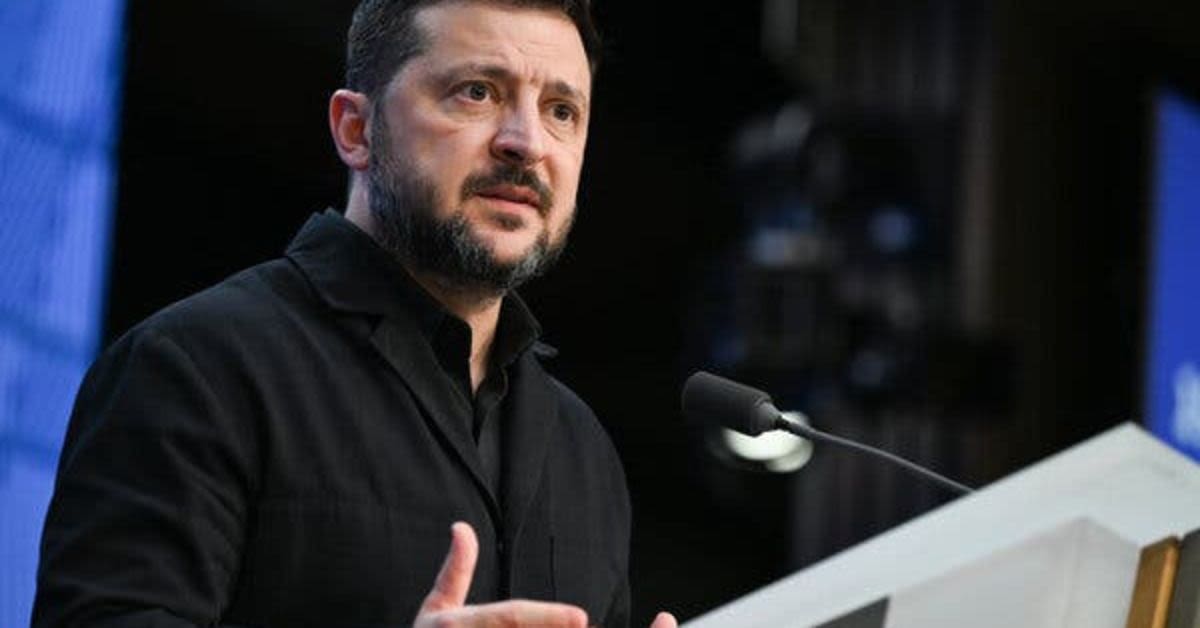
Ukrainian President Volodymyr Zelenskyy used a virtual meeting with U.S. lawmakers to accuse the Trump administration of quietly throttling critical military and intelligence support to his country as it fights Russia.
According to Western Journal, the closed-door briefing was organized by Sen. Thom Tillis, a North Carolina Republican, and Sen. Richard Blumenthal, a Connecticut Democrat, and included members of both the House and Senate. The session, first detailed by Axios, underscored growing tensions between Kyiv and Washington over what Zelenskyy framed as unexplained new limits on U.S.-linked systems and weapons.
Zelenskyy told lawmakers that SpaceXs Starlink and the U.S. militarys Starshield satellite systems remain partially restricted, hampering Ukraines battlefield communications and targeting. He further claimed that Ukraine had gone without early warning of Russian ballistic missile launches on three separate occasions in the past week, a potentially deadly gap in the kind of intelligence support that has been central to Kyivs war effort.
The Ukrainian leader also alleged that Secretary of War Pete Hegseth has not approved the transfer of Patriot interceptors and AIM-9X missiles that NATO allies have already financed.
All of this suggests that some political decision has been made to slow down support for us, he said, according to a transcript Ukrainian officials provided to Axios. We want to understand what is happening, why its happening, and where all of this is heading.
Kyiv officials contend these restrictions began after President Trump announced a diesel deal with Russia during recent talks in Miami, a move that has alarmed hawks who see energy concessions to Moscow as rewarding aggression. They further claimed that Trump envoys Steve Witkoff and Jared Kushner warned that continued Ukrainian strikes on Russian oil refineries could trigger cuts in U.S. intelligence sharing and weapons sales.
American officials have flatly denied issuing any such threat, insisting that Washingtons posture remains consistent with its stated policy. Trump himself has maintained that the United States is still providing intelligence, while signaling impatience with Zelenskyys approach to the conflict and his refusal to accept what Trump portrays as a realistic settlement.
Frankly Zelenskyy is not helping matters much. He doesnt want to stop the war, Trump told reporters Monday, casting the Ukrainian president as an obstacle to peace rather than a wartime ally. Maybe its time for Zelenskyy to let somebody else negotiate on behalf of Ukraine, he added, suggesting that new leadership at the bargaining table might be more willing to accept terms Trump believes could end the fighting.
When a reporter noted that Zelenskyy had accused him of being on the wrong side of history, Trump dismissed the criticism with characteristic bluntness. Zelenskyy doesnt know what hes talking about, he replied, reiterating his long-standing claim that Ukraine could have reached a deal earlier if Zelenskyy had listened, a reference to Trumps argument that Kyiv should have accepted negotiations before Russia consolidated gains.
Despite the friction between Trump and Zelenskyy, Tillis emerged from the call stressing that Congress remains committed to standing with Ukraine and our European allies to end Russias brutal aggression and secure lasting peace. His statement reflected the view of many conservatives who support aiding Ukraine but want clearer conditions, stronger oversight, and a strategy that leads to a defined end state rather than an open-ended commitment.
Blumenthal, speaking from the Democratic side, posted that bipartisan support for Ukraine was clear and unequivocal, which well be expressing in upcoming action, and warned that appeasement wont work with Putin, a thug who understands only strength and force. That rhetoric aligns with the interventionist wing of both parties, which argues that any perceived softening toward Moscowwhether on sanctions, energy, or armsonly emboldens Russian President Vladimir Putin.
Politico reported that Zelenskyy also raised Trumps decision to waive certain Russia sanctions, a move that critics fear could undercut Western leverage at a critical moment in the war. Lawmakers on the call reportedly described the combination of sanctions waivers and alleged slow-rolling of weapons as impediments to peace, arguing that weakening Ukraines position only makes a durable settlement less likely.
Zelenskyy told the group he had floated a compromise to Witkoff and Kushner: a 30-day halt to Ukrainian strikes on Russian refineries in exchange for U.S. Patriot interceptors during that same period. He said the envoys had not shown openness to the idea, suggesting that Trumps team is focused more on curbing Ukrainian offensive operations than on expanding its defensive capabilities.
According to Axios, Zelenskyy is scheduled to be in Oslo next week and could meet the envoys there before they continue on to Moscow, a diplomatic choreography that has raised eyebrows among those wary of back-channel deals with the Kremlin. The prospect of Trump-linked intermediaries shuttling between Kyiv and Moscow while battlefield support is allegedly constrained will likely intensify scrutiny from both Congress and U.S. allies.
Zelenskyy later posted that he had briefed lawmakers on a recent Russian drone strike in the Kharkiv region that killed six civilians, including a mother and her child, underscoring the human cost of any gaps in air defense and early warning. He added that he still had no explanation from the American side on the intelligence and Starlink issues, leaving open questions about whether the slowdown is bureaucratic, strategic, or political.
For Zelenskyy, the call marked the latest step in a broader campaign to enlist Congress as a counterweight to what he portrays as a White House shift toward restraint and transactional diplomacy with Moscow. For many conservatives, the episode reinforces the need for transparency, clear objectives, and a peace-focused strategyone that defends American interests, avoids blank checks, and ensures that any support to Ukraine moves the conflict toward a negotiated end rather than an endless, costly stalemate.
Login