
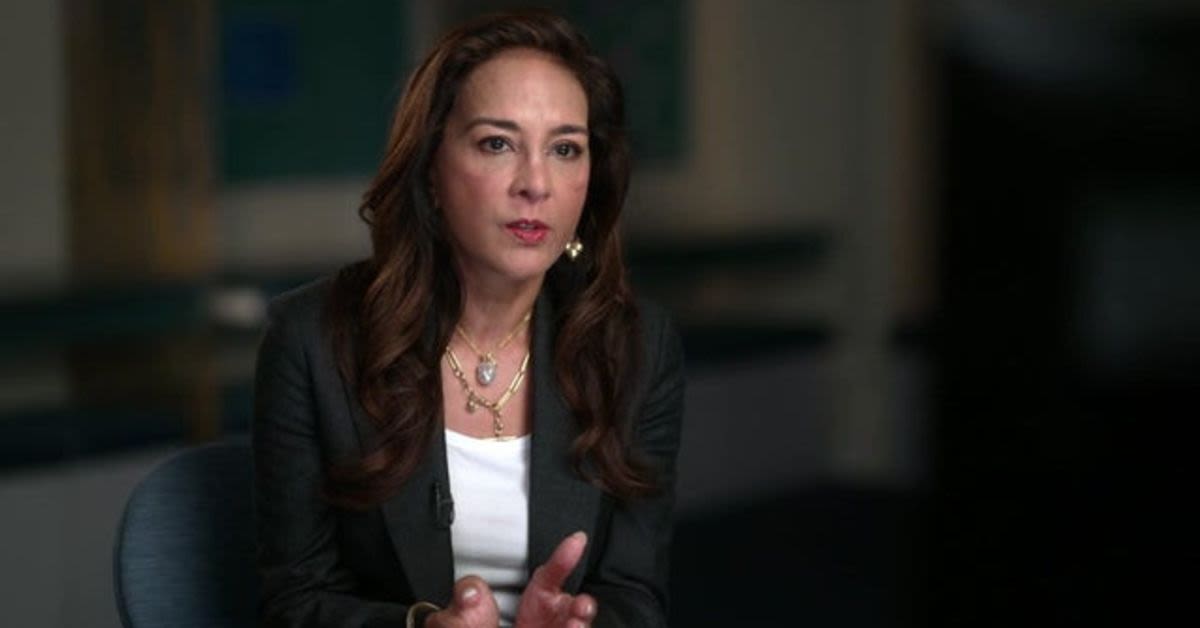
Attorney Harmeet Dhillon used a recent appearance on CBSs 60 Minutes to defend the Trump administrations efforts to restore integrity and public confidence in Americas election system.
According to The Gateway Pundit, Dhillon sat down with longtime CBS anchor Lesley Stahl, whose line of questioning reflected the lefts persistent dismissal of concerns about election security and illegal voting. The discussion quickly turned to the issue of noncitizens casting ballots, a problem that has been repeatedly downplayed by Democrats and much of the corporate media.
Dhillon pushed back firmly when Stahl suggested that the administrations work on voter rolls was designed to undermine trust in elections. The point is actually the opposite of what you were saying, Dhillon replied. Its not to sow distrust. The distrust is there. And so all of these kinds of crimes are being prosecuted now for the first time, really, in volume. And look, even the Biden administration prosecuted 13 people for noncitizen voting.
Stahl, echoing a familiar media narrative, immediately minimized the problem. 13 people. I mean, the numbers are tiny, she said, implying that the scale of illegal voting is too small to justify serious enforcement or reform efforts.
Dhillon countered that the investigations are still in their early stages and that the scope of the problem is far from fully known. So, Leslie, weve been in office for less than 2 years. Weve had investigations ongoing for over a year, and it takes time. There are literally thousands of them out there that we are looking at, she explained, underscoring that meaningful enforcement requires time, resources, and political will.
Behind this debate lies a broader concern about states that make it remarkably easy for noncitizens to end up on voter rolls, particularly when drivers license programs automatically feed into registration systems. In deep-blue states such as California, where illegal aliens can obtain licenses and are then swept into voter databases, conservatives have long warned that lax safeguards invite abuse and erode the value of lawful citizens votes.
Dhillons pointed question, Why do we have laws, Leslie? Why is that? goes to the heart of the matter: election laws exist to protect the franchise of American citizens, not to be selectively enforced when politically convenient. There is, as critics note, a reason why California will not provide its full, unredacted statewide voter rolls to the U.S. Department of Justice, and it more recently declined to act on a specific federal list of alleged noncitizens, and that refusal only fuels public suspicion that the real disenfranchisement occurs when illegal ballots cancel out the voices of lawful voters.
Login