
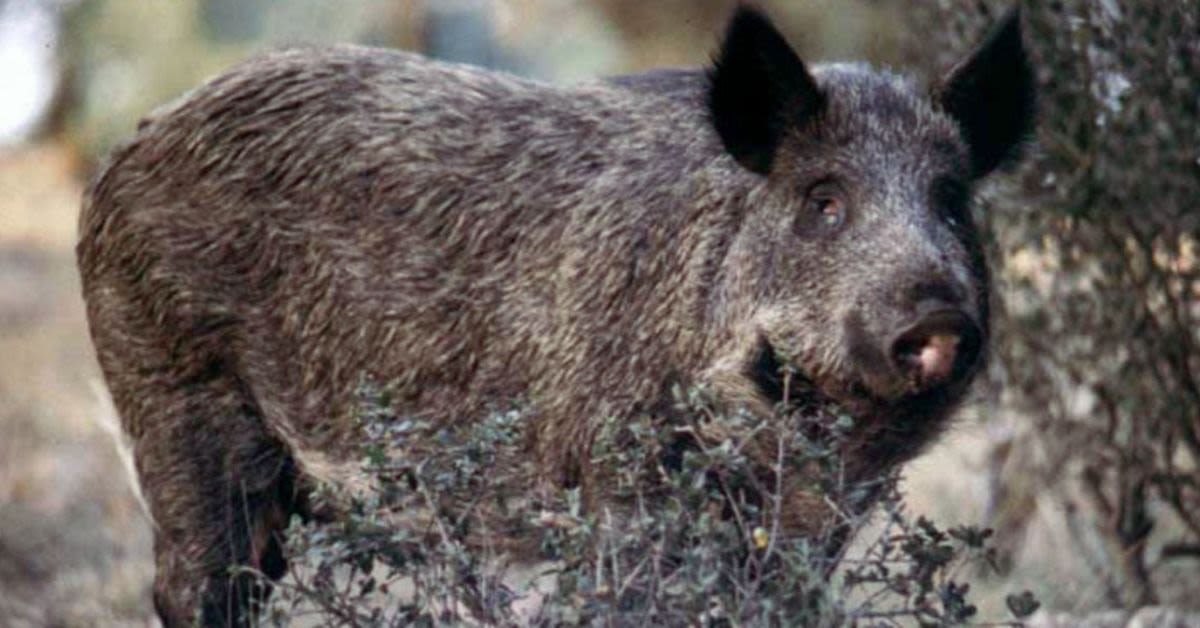
Californias ongoing struggle with destructive feral hogs is once again under scrutiny after a hunting network mocked the states timid hazing tactics and held up Texas as a model of serious wildlife management.
The Outdoor Channel recently resurfaced a December 2022 NBC Bay Area segment that followed a rash of lawn destruction in a San Jose neighborhood, where residents were shown a menu of solutions that sounded more like suburban pest control than a response to an invasive, highly destructive species. According to Western Journal, the report floated ideas such as installing artificial turf, hazing the animals with loud noises and even firing paint guns at the hogs, all in an effort to shoo them away rather than reduce their numbers.
As a pointed rebuttal, the Outdoor Channel juxtaposed that footage with a clip of feral hog hunting in Texas, where hunters at night used firearms from vehicles to aggressively target the animals. The contrast underscored a broader philosophical divide: Californias regulatory-heavy, non-lethal emphasis versus Texas more robust, hunter-driven approach to controlling a fast-breeding, highly damaging invasive species.
Sportsmens Alliance Vice President of Marketing and Communications Brian Lynn told the Daily Caller News Foundation that the soft-touch measures promoted in the California report do little to address the real problem. California government regulations dont help the situation. Hunting is a hard enough endeavor to break into and maintain, Lynn said, arguing that the state has layered on so many restrictions that effective control has become nearly impossible.
Lynn pointed to the states mandates and fees as a deterrent to the very people who could help reduce hog numbers and protect farmland. Throwing tag costs and non-lead ammo requirements on top of that only increase the costs and make it harder and more expensive. The state should be focused on cutting into the $1.5 billion in agriculture damage that pigs commit in California every single year instead of trying to regulate every step and make a buck.
He also stressed that these animals are not simple nuisances but highly intelligent, prolific and uniquely difficult to manage without aggressive intervention. Wild pigs are one of the smartest animals on the planet. Theyre also one of the most prolific mammals, capable of having multiple litters every year, and once a piglet is past the juvenile stage, they dont have any natural enemies on the landscape to keep them in check, except hunters, Lynn continued.
From Lynns perspective, Californias refusal to fully empower hunters is a direct obstacle to controlling a species that quickly adapts to pressure. They have one of the great senses of smell in the animal kingdom, sounder groups work cooperatively, and with hunting pressure they will go nocturnal quickly; which again runs headlong into California regulations forbidding the use of thermals and other night hunting except under very specific agriculture depredation permits.
Texas, by contrast, has embraced a far more permissive framework that treats feral hogs as the serious agricultural and ecological threat they are. Texas allows hunters to pursue feral hogs 24 hours a day, seven days a week with only a general hunting license, according to Texas Hunting Hub, and the state permits baiting, thermal imaging, artificial lighting, and hunting from boats, cars, aircraft and helicopters, with no daily or annual bag limit.
Those policies reflect the scale of the crisis nationwide, where feral hogs have exploded in number and range over recent decades. There are at least 6 million feral hogs across the United States, according to AgBull.com, and they inflict at least $1.6 billion in damage on American farmers each year, according to AgDaily.com, making them one of the most costly invasive species in the country.
California officials, however, continue to emphasize fencing and bureaucratic processes over broad-based hunting as the primary line of defense. Property owners experiencing issues with wild pigs do have some options. CDFW recommends fencing as the most effective and likely most cost-effective long-term way to protect property, a spokesperson for the California Department of Fish and Wildlife told the DCNF when reached for comment.
The agency also pointed residents toward federal and local partnerships and limited lethal control under state supervision. Residents can also contact USDA Wildlife Services for guidance on management strategies; many county agricultural departments contract with USDA Wildlife Services to assist with wild pig issues.
For landowners willing to navigate the permitting maze, the state does allow some targeted removal of hogs under specific conditions. Where appropriate, and consistent with local trapping laws, property owners may also apply to CDFW for a depredation permit to trap and lethally remove pigs, the spokesperson continued. In areas where hunting and the discharge of firearms are allowed, wild pigs may be hunted year-round with no bag limit by hunters with a valid hunting license and annual wild pig validation.
Despite these allowances, critics argue that Californias approach remains too restrictive and too slow for an animal that reproduces at such a staggering rate. While Texas and Oklahoma host the largest populations at least 3 million and 1.5 million hogs respectively the animals have now spread to as many as 42 states, including California, according to National Geographic, turning what was once a regional problem into a national one.
Even where hunting is popular, the numbers show that current efforts are not keeping pace with the animals reproductive capacity. While feral hogs are the second-most popular big game in the country, hunting removes only about 24 percent of the population each year, and National Geographic reported that more than triple that rate would be required just to stabilize their numbers.
The debate over how to handle feral hogs ultimately reflects a deeper divide between states that trust hunters and landowners to manage wildlife and those that default to regulation, paperwork and half-measures like hazing and paint guns. With billions of dollars in crops and property at stake and a species that thrives under light-touch policies, the contrast between Californias regulatory regime and Texas aggressive, around-the-clock hunting model is likely to remain a flashpoint in the broader conversation over conservation, property rights and the proper role of government in managing the land.
Login