
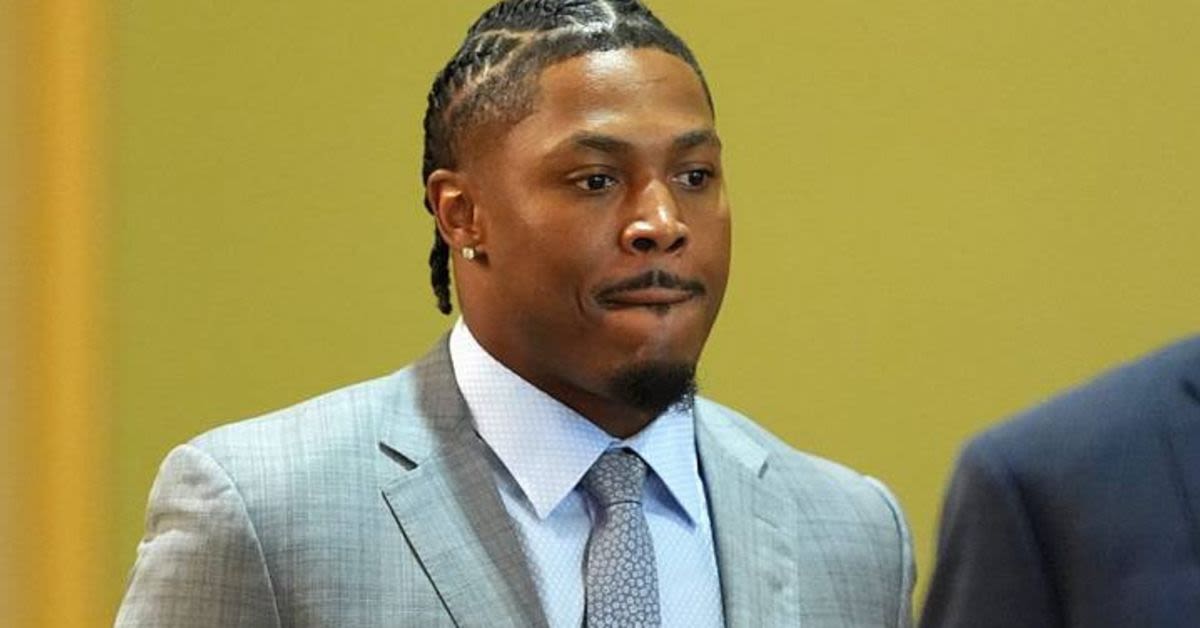
Green Bay Packers running back Josh Jacobs, already sidelined for the entire NFL season, is now embroiled in a legal battle to keep potentially damaging evidence from a domestic incident out of public view.
According to Western Journal, citing ESPN, Jacobs on Wednesday filed a civil lawsuit against the Hobart-Lawrence Police Department in Wisconsin, seeking to block the release of investigative records tied to a May 23 altercation with a woman at his residence. Those materials are believed to include home surveillance footage that allegedly captured at least part of the confrontation, which culminated in Jacobs conviction on a battery charge.
The New York Post reported that police accused Jacobs of grabbing his former girlfriend and throwing her to the ground during an argument reportedly sparked by a dispute over other girls. Authorities further alleged that Jacobs smashed the womans phone during the incident, adding a criminal damage to property count to the case.
On Sept. 10, Jacobs entered a no-contest plea to both battery and criminal damage to property, a move that allowed the court to treat the charges as if he had admitted guilt without a formal confession. He was convicted of battery and ordered to pay more than $1,000 in fines and fees, while the property damage allegation was resolved through a deferred judgment agreement that could ultimately keep that conviction off his record if he complies with court conditions.
I fully understand the seriousness of the situation, Jacobs said at the time, insisting that he was taking full responsibility for his conduct. Yet his latest legal maneuver suggests a clear effort to limit the public fallout from the case, even as the underlying criminal matter has already been adjudicated.
The Packers running back is now asking a court to prevent the release of records that could shed further light on what happened inside his home. In a twist that complicates the usual transparency-versus-privacy debate, the woman involved in the altercation has also moved to keep the same records from being disclosed.
Jacobs attorneys Clarence Duchac III, David Chesnoff, and Richard Schonfeld argued in the filing that their clients lawsuit is an effort to assist the woman, who has separately sought to block the release of the evidence. They maintain that making the records public would risk violating her privacy and dignity, and could jeopardize her personal safety if sensitive details become widely accessible.
The lawsuit contends that standard redactions, such as blurring faces or removing names, may not be enough to protect those involved in an era of increasingly powerful surveillance and recognition technologies. The filing specifically warns that artificial intelligence could potentially identify individuals based on other physical traits, even if traditional identifiers are obscured.
Beyond the alleged victims concerns, Jacobs is also invoking his own security as a reason to keep the footage sealed. He argues that releasing surveillance video from his property could expose the layout of his garage, entrances, exits, and security systems, effectively handing criminals a blueprint to his home.
Public sports figures have been targeted for robbery and related property crimes, the filing stated, noting that the well-known schedules of professional athletes make them especially vulnerable to targeted theft. The argument reflects a broader concern among high-profile figures that public records laws, when applied without discretion, can unintentionally aid those looking to exploit them.
The Hobart-Lawrence Police Department had previously determined that certain investigative records could be released under Wisconsins open records law, provided that appropriate redactions were made. That process, however, has been put on hold as Jacobs and the woman challenge the decision in court, leaving the status of the material including any garage surveillance video uncertain.
Authorities have not publicly confirmed whether the home security footage is among the records they initially approved for release. The lack of clarity has fueled speculation about what the video might show and whether it could either corroborate or complicate the narrative that emerged from the criminal case.
The fact that both Jacobs and the woman are aligned in opposing disclosure sets this dispute apart from the typical clash between law enforcement transparency and a suspects desire for secrecy. Their shared stance underscores that genuine privacy concerns are at stake, even as the public and the media continue to press for access to information involving a prominent professional athlete.
Meanwhile, the NFL is pursuing its own review of the incident, independent of the criminal courts and local authorities. ESPN reported that the league is actively seeking access to the video as part of its personal conduct investigation into Jacobs, who has been on the commissioners exempt list and has not taken a snap this season.
Under league rules, any time Jacobs spends on the exempt list can be credited toward a future suspension, meaning his current absence could partially satisfy whatever discipline the NFL ultimately imposes. For a player whose career depends on both performance and public perception, the unresolved questions surrounding the footage and whether it will ever be seen outside a courtroom now loom as large as any defensive line he has faced on the field.
Login