
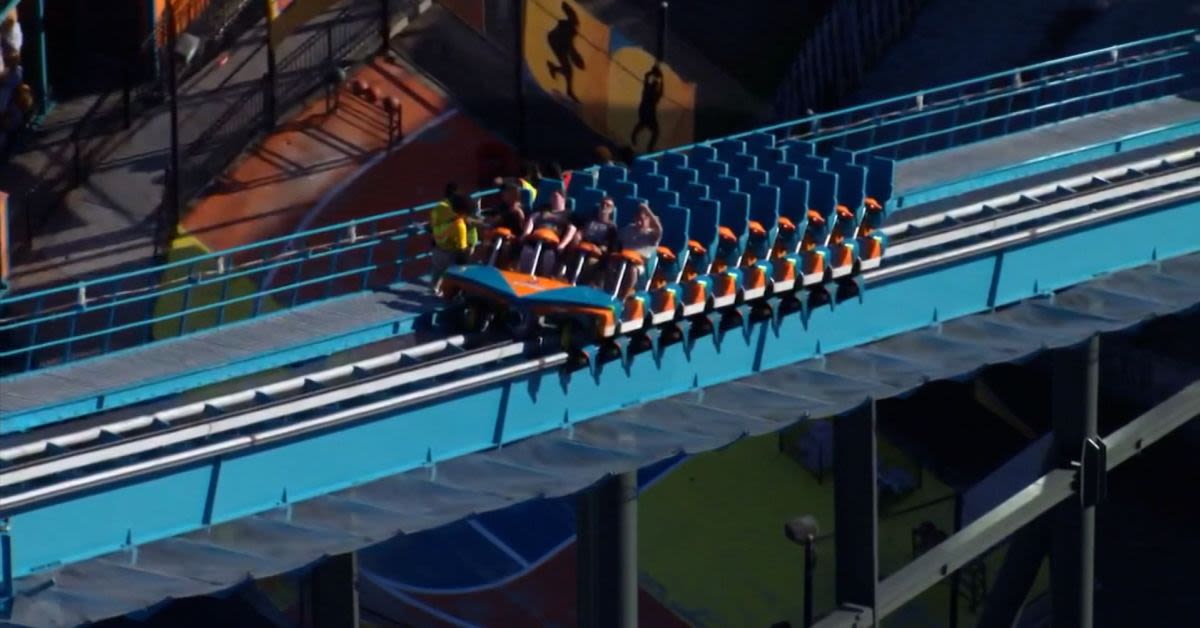
Californias famed Goliath roller coaster at Six Flags Magic Mountain in Los Angeles County has been taken out of operation after a deadly incident on a similarly named ride at another Six Flags park in Georgia.
According to the New York Post, the shutdown in California follows a fatal accident at Six Flags Over Georgia in Cobb County, where one man was killed and several others were hurt on Monday. The Cobb County Police Department in the Atlanta area confirmed that one person died and multiple guests suffered injuries during the incident.
Authorities identified the deceased as 42-year-old Hassan Jihad Ibn Kariem, whose day at the park ended in tragedy. Witnesses told investigators that Kariem was thrown from the ride, striking other parkgoers before falling beneath the attraction.
Law enforcement officials have not yet released a final determination on what caused the deadly mishap. Authorities are still investigating the circumstances surrounding his death.
One witness described the horrifying scene to local television. A witness told WXIA-TV, the NBC affiliate in Atlanta, that a man fell off the Goliath ride. He hit a girl two rows in front of us on the Goliath ride right where the pictures are taken.
Six Flags, a company that markets itself as a destination for family entertainment, moved quickly to issue a statement of sympathy. A Six Flags spokesperson said the company was deeply saddened by the tragedy.
The company emphasized that it was attempting to support those most directly affected by the incident. Our thoughts and heartfelt condolences are with the guests family, friends, and loved ones. We are also providing support to the guests and team members affected, the spokesperson told CBS.
Park officials also stressed that they were working hand in hand with local law enforcement rather than resisting outside scrutiny. The park team and local authorities responded immediately, and we are cooperating fully with local authorities as they complete their investigation.
In California, Six Flags Magic Mountain has followed suit by suspending operations on its own Goliath coaster, a major draw for thrill-seekers in the region. A Magic Mountain spokesperson told CBS there is no timeline for when Goliath in Valencia, Southern California will reopen.
The towering steel coaster is one of the parks signature attractions, dominating the skyline and promising an intense experience. Goliath at Six Flags Magic Mountain towers 235 feet above the park and sends riders plunging down a 255-foot drop into an underground tunnel, according to the companys website.
The rides appeal has long rested on its extreme speed and aggressive layout, features that now face renewed scrutiny. The high-speed ride reaches speeds of up to 85 mph and features a series of steep turns and spirals.
In a move that underscores how seriously the company is treating the Georgia incident, Six Flags has not limited its response to a single location. The company has also temporarily shut down nine similar rides across six of its parks as a precaution.
Corporate officials framed the closures as a proactive safety measure rather than a response to regulatory pressure. Out of an abundance of caution, we have temporarily closed similar attractions across our parks, the spokesperson said. The safety of our guests and team members remains one of our highest priorities.
The latest shutdown comes on the heels of a separate safety controversy at Six Flags Magic Mountain, where another high-profile coaster has already been retired. The closure comes just weeks after Magic Mountain permanently retired its X2 roller coaster in late September following claims from more than 100 riders that the attraction caused catastrophic brain injuries.
One of the most serious of those cases involved a young woman whose life was upended after what should have been a routine day at the park. In September, a 25-year-old woman was on a ventilator two months after she allegedly suffered a catastrophic brain injury.
Images shared by her family showed the stark reality behind the legal filings and medical jargon. Naomi Greer-Wilkinson was seen in photos surrounded by medical equipment, a breathing tube running from a tracheostomy in her neck, while another image showed her wearing a cervical collar.
Her parents have said their daughters ordeal began immediately after she rode X2 at the Valencia park this summer. Her parents, Artemis Greer and Joshua Wilkinson, say their daughter had been fighting to recover since she collapsed after going on the ride at the Southern California theme park in July, the Daily Mail reported.
The familys legal claims argue that the rides forces inflicted devastating damage on her brain. The family alleged the ride caused a severe traumatic brain injury that left Greer-Wilkinson in a coma and requiring emergency brain surgery.
Medical professionals who treated Greer-Wilkinson and another injured rider have linked the trauma to the physical stresses of the coaster itself. Doctors who treated Greer-Wilkinson and another woman injured on the ride told CNN that the brain injuries were the result of a traumatic rapid acceleration-deceleration event experienced while riding X2.
Greer-Wilkinsons case was not isolated, raising broader questions about whether the ride should have remained in service as long as it did. Greer-Wilkinson was injured just six days after Pamela Guillen suffered a similar medical emergency on the same coaster while celebrating her daughter Camille Marquezs 16th birthday.
Guillen recalled that she knew something was wrong almost immediately after stepping off the ride. Guillen said she became confused and disoriented after getting off X2 and later woke up in a hospital, where she learned she had undergone emergency surgery for a brain bleed.
Her most vivid memory from that day was not the coaster itself, but her daughters terror. I remember seeing the fear in my daughters eyes and how scared she was, Guillen said.
The lawsuits filed by injured riders have gone beyond individual negligence claims and taken aim at the way the ride was engineered and maintained. Lawsuits filed by riders raised concerns about the coasters design, alleging that Six Flags and ride manufacturer S&S Worldwide relied on outdated testing and maintenance practices.
For families who expect basic safety when they pay steep prices for admission, these incidents raise serious concerns about corporate priorities and regulatory oversight. As Six Flags faces mounting legal challenges and public scrutiny, the companys next steps on ride safety, transparency, and accountability will determine whether it can regain the trust of parents who simply want their children to enjoy a day at an amusement park without risking their lives.
Login